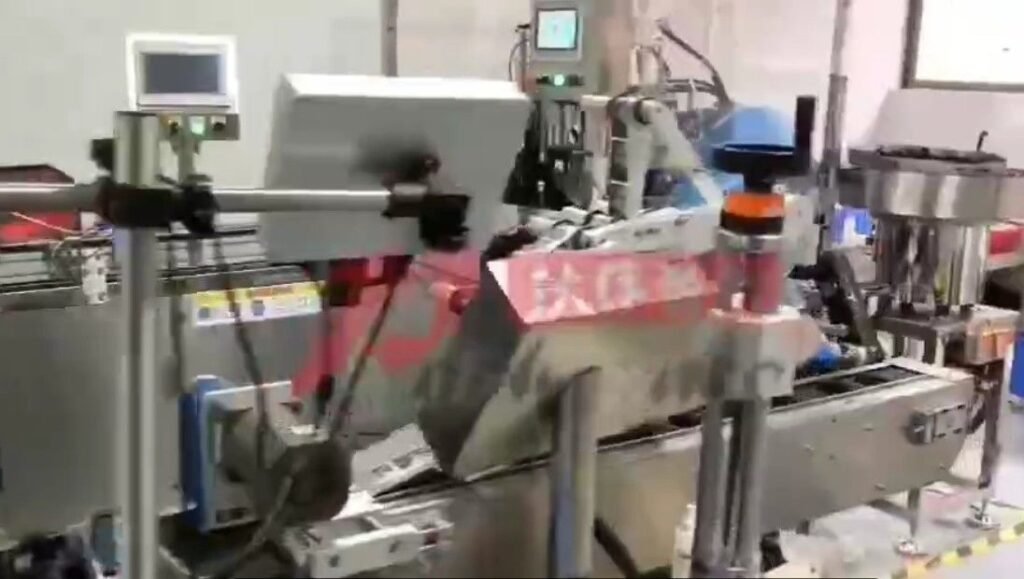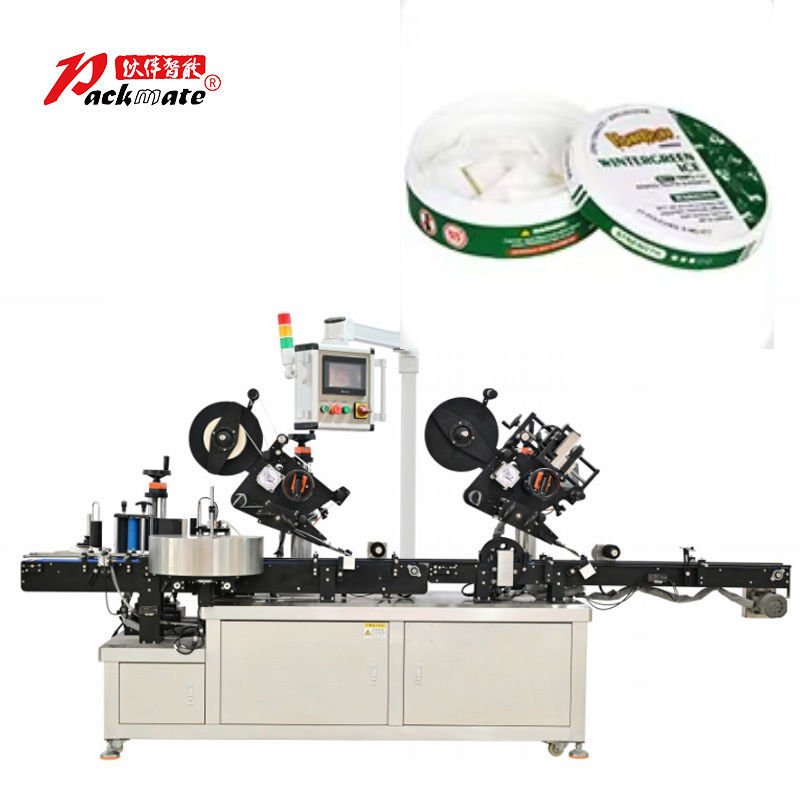
In the fast-changing world of modern packaging machinery, manufacturers are under constant pressure to improve speed, precision, hygiene, and consistency. For tobacco pouch producers, especially those focused on snus products, the need for efficient and reliable automation has become more important than ever. A single lane snus packing machine for high speed tobacco pouch packaging is designed to answer these needs with a focused, stable, and intelligent packaging solution. It helps businesses achieve smoother production flow, better sealing accuracy, reduced waste, and stronger product quality in highly competitive markets.
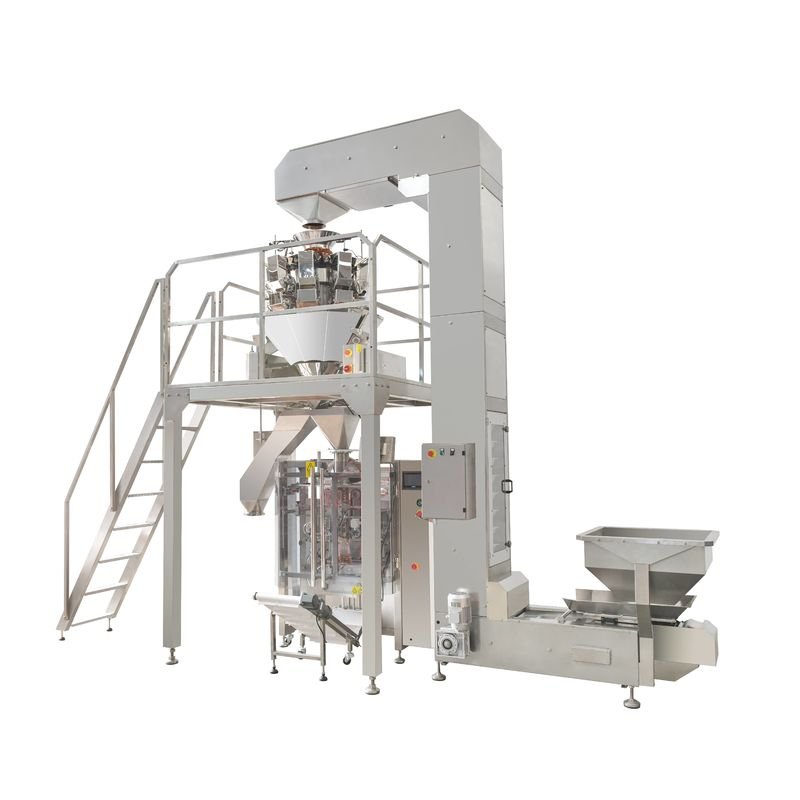
As consumer expectations continue to rise, tobacco pouch packaging is no longer only about wrapping a product. It is about preserving freshness, ensuring safety, improving shelf appeal, and meeting strict production standards. A well-designed single lane system can be an excellent choice for companies that want controlled high-speed output without unnecessary complexity. It provides a practical balance between compact structure, operational efficiency, and long-term production reliability.
For businesses seeking advanced manufacturing support, Packmate Machinery represents a strong industrial partner. With deep experience in intelligent packaging equipment, certified manufacturing systems, and an international service network, the company delivers professional solutions that align with EU and GMP standards. This foundation is especially valuable for tobacco pouch packaging lines that require stable performance and repeatable results.
What Is a Single Lane Snus Packing Machine?
A single lane snus packing machine is an automated packaging system designed to process snus or tobacco pouches in one organized production lane. It handles pouch feeding, alignment, counting, packing, sealing, and output in a continuous workflow. Although it operates on a single track, it can still reach high production efficiency due to precision mechanics, smart control systems, and optimized motion design.
This type of machine is often selected by manufacturers that value clean structure, easier maintenance, and consistent packaging quality. Compared with larger and more complex multi-lane systems, a single lane machine can be easier to integrate into existing production workshops, simpler to operate, and more flexible for product changeovers. For many tobacco brands, this makes it an ideal solution for balancing performance and cost-effectiveness.
Its main function is to ensure that every pouch is handled carefully and packed uniformly. Because snus products are sensitive to sealing quality and packaging integrity, machine stability directly affects product freshness, brand presentation, and consumer satisfaction. That is why manufacturers increasingly choose high-quality equipment built around engineering precision and intelligent automation.
Why High Speed Matters in Tobacco Pouch Packaging
High speed is not only about producing more units per hour. In tobacco pouch packaging, speed must work together with accuracy, cleanliness, and repeatability. If speed increases but sealing quality drops, product performance suffers. If output rises but machine downtime becomes frequent, production efficiency is lost. Therefore, the value of a high-speed single lane machine lies in its ability to deliver stable packaging results while maintaining continuous operation.
Key benefits of high-speed packaging include:
● Higher daily production capacity
● Improved labor efficiency
● Lower unit packaging cost
● Better consistency across batches
● Faster response to market demand
For brands supplying multiple regions or serving large retail channels, production speed can directly influence delivery reliability and market competitiveness. A machine capable of maintaining smooth, fast, and precise performance supports long-term business growth and helps reduce operational pressure during peak order periods.
Core Features of an Advanced Single Lane Snus Packing Machine
A modern machine designed for snus pouch packaging should offer more than basic automation. It must combine intelligent control, durable construction, and product-specific design. The most competitive systems on the market usually include a number of critical features that support both productivity and packaging quality.
1. Precision Feeding and Alignment
Snus pouches must be fed into the packaging area in a controlled and consistent manner. Precision feeding systems reduce the risk of misalignment, overlapping, or product damage. This ensures smooth downstream operations and helps maintain packaging appearance.
2. Stable High-Speed Motion Control
Servo-driven systems and advanced controllers help synchronize moving parts with excellent precision. This allows the machine to operate at high speed while maintaining stable sealing, accurate cutting, and consistent pouch placement.
3. Reliable Sealing Performance
In tobacco pouch packaging, sealing quality is one of the most critical performance indicators. Strong and uniform sealing helps protect product freshness, reduce contamination risks, and improve transportation security. Machines engineered for stable thermal control and precise pressure application provide better long-term packaging results.
4. User-Friendly Operation Interface
A clear control screen and simple parameter settings improve daily operation. Operators can quickly adjust production speed, monitor machine status, and manage product changes with less training time. This is especially important in fast-paced manufacturing environments.
5. Hygienic and Durable Structure
Machines built with high-quality materials and well-organized mechanical structure are easier to clean and maintain. For facilities that follow strict quality systems, equipment durability and hygienic design contribute significantly to long-term production safety and compliance.
Applications in Modern Tobacco Packaging Lines
A single lane snus packing machine fits well into many production environments. It can be integrated into a broader automatic line or used as a dedicated packaging unit for specific product categories. Depending on line design, it may work with upstream pouch forming systems and downstream cartoning, labeling, or case packing equipment.
Typical application advantages include:
◆ Smooth integration into compact factory layouts
◆ Flexible support for different pouch counts or pack styles
◆ Reduced manual handling during packaging
◆ Better traceability and process control
◆ More standardized product presentation for retail markets
For companies launching new snus products or expanding into export markets, a high-speed single lane system can provide an efficient first step toward scalable automation. It supports professional packaging results while allowing manufacturers to maintain manageable production complexity.
The Role of Intelligent Engineering in Packaging Performance
Packaging performance is strongly influenced by machine design quality. Intelligent engineering goes beyond adding digital controls; it involves optimizing every movement, reducing vibration, improving material handling, and ensuring reliable communication between mechanical and electrical systems. A machine that is carefully engineered can run faster, stop less often, and produce more consistent packaging outcomes.
This is where experienced manufacturers bring real value. Packmate has spent decades developing packaging equipment and strengthening its technical foundation. With more than 30 patents, a team of over 125 professionals, and a modern 20,000㎡ manufacturing facility, the company demonstrates the engineering capacity needed for advanced production systems.
A machine developed by a manufacturer with strong R&D, precision manufacturing capability, and rigorous quality control is more likely to deliver dependable operation over the long term. This is especially important for tobacco pouch packaging, where repeated high-speed cycles place continuous demands on every machine component.
Quality Standards and Compliance Considerations
When selecting packaging equipment, compliance is a major consideration. Manufacturers serving international markets often require machines that align with recognized safety and production standards. Equipment built according to EU and GMP requirements provides added confidence in terms of design discipline, hygiene practices, and operational safety.
Packmate Machinery operates with CE and ISO certifications, reflecting a commitment to quality-oriented manufacturing and standardized production processes. From component processing to final assembly and testing, strict quality control helps ensure that each machine performs consistently under real production conditions.
For buyers, this matters in several ways. It reduces procurement risk, supports smoother installation and commissioning, and helps build confidence in long-term machine reliability. It also strengthens the manufacturer’s ability to serve regulated industries where precision and safety are non-negotiable.
How a Single Lane Design Supports Efficiency
Some production planners assume that multi-lane systems are always the best option for high output, but this is not necessarily true. A well-optimized single lane machine can deliver excellent performance when designed with efficient mechanics and intelligent controls. In many cases, it also offers advantages that support overall operational efficiency.
Single lane advantages may include:
✔ Easier setup and adjustment
✔ Lower maintenance complexity
✔ Better visibility for operators
✔ Reduced changeover time
✔ More compact footprint for limited factory space
These advantages are especially meaningful for businesses with diverse product requirements, limited workshop area, or a need for highly stable packaging without excessive system complexity. By focusing on one optimized production lane, the machine can achieve impressive consistency and efficient process management.
Maintenance, Stability, and Long-Term Value
The true value of packaging machinery is not measured only by initial speed. It is measured by how well the machine performs over months and years of operation. Frequent stoppages, unstable feeding, inconsistent seals, or difficult repairs can quickly reduce the return on investment. That is why maintenance-friendly structure and durable parts are essential.
High-quality manufacturers focus on simplifying access to key components, improving diagnostic functions, and selecting reliable electrical and mechanical systems. This helps reduce service time and supports more predictable production planning. In tobacco pouch packaging, where continuous throughput is important, even small improvements in uptime can have a major impact on annual efficiency.
A machine that combines stable output, easy maintenance, and durable construction can significantly lower the total cost of ownership. This makes it not just a packaging device, but a strategic production asset.
Global Supply Capability and After-Sales Support
For international buyers, supplier support is often as important as machine specifications. Fast delivery, responsive communication, spare parts availability, and technical service all affect project success. A manufacturer with global service capabilities can help customers reduce downtime and manage equipment more confidently after installation.
Based in the Guangdong-Hong Kong-Macao Greater Bay Area, Packmate benefits from a strong industrial ecosystem and convenient logistics. Its products are exported to Europe, the Americas, Africa, the Middle East, and Southeast Asia. With established agency and service networks, the company supports customers with timely technical assistance and dependable after-sales service.
This global reach matters when packaging lines are part of long-term production planning. Companies need assurance that their equipment partner can continue supporting machine upgrades, maintenance, and future expansion. Reliable service strengthens equipment value and contributes to a more secure production strategy.
Choosing the Right Packaging Machinery Partner
Selecting a single lane snus packing machine is not only about comparing technical parameters. Buyers should also evaluate the manufacturer’s engineering background, quality systems, production capacity, industry experience, and ability to provide customized support. A machine may look impressive on paper, but long-term success depends on the strength of the company behind it.
When evaluating a supplier, consider the following:
● How many years of packaging machinery experience does the company have?
● Does it offer certified quality systems such as CE and ISO?
● Can it provide technical customization based on product requirements?
● Does it have strong manufacturing and testing capability?
● Is international service support available after delivery?
A company like Packmate Machinery, with over 22 years of company development, advanced production equipment, and continuous innovation, offers the kind of professional foundation that many industrial buyers seek. This combination of experience and technical strength supports both current packaging needs and future production upgrades.
Future Trends in Snus and Tobacco Pouch Packaging
The future of tobacco pouch packaging will likely focus on smarter control, greater automation, more sustainable material compatibility, and improved production data visibility. Machines will increasingly integrate digital monitoring functions, efficient energy management, and more precise parameter adjustment to support quality assurance and operational optimization.
At the same time, manufacturers will continue demanding compact equipment that delivers strong performance without unnecessary complexity. This makes the single lane concept highly relevant. It aligns with the market’s preference for stable, efficient, and scalable systems that can adapt to changing product demands.
As packaging technology evolves, companies that invest in reliable, future-ready machinery will be better positioned to improve quality, respond to market shifts, and maintain competitive production costs. Intelligent engineering, certified quality, and strong supplier support will remain the defining factors behind successful packaging operations.
Conclusion
A single lane snus packing machine for high speed tobacco pouch packaging is a practical and efficient solution for manufacturers seeking reliable automation, stable performance, and consistent package quality. It supports precise feeding, dependable sealing, efficient line integration, and long-term productivity.
For businesses aiming to improve packaging efficiency while maintaining product integrity, choosing the right machinery partner is essential. With extensive industry experience, strong engineering capabilities, certified manufacturing systems, and global support, Packmate Machinery offers a solid foundation for advanced packaging projects in the tobacco, healthcare, pharmaceutical, and food industries.
In today’s competitive production environment, the right packaging machine does more than increase output. It helps create better products, reduce operational risk, and build stronger long-term manufacturing performance.
Frequently Asked Questions
1. What is the main benefit of a single lane snus packing machine?
The main benefit is stable and efficient packaging performance with a simpler machine structure. It offers precise control, easier maintenance, and consistent pouch packaging quality.
2. Can a single lane machine still provide high-speed output?
Yes. With optimized mechanical design, servo control, and reliable sealing systems, a single lane machine can achieve high-speed production while maintaining packaging accuracy and stability.
3. Why is sealing quality so important in tobacco pouch packaging?
Sealing quality helps protect freshness, maintain product integrity, and reduce the risk of contamination or packaging failure during storage and transport.
4. What should buyers look for in a packaging machinery supplier?
Buyers should consider industry experience, engineering capability, certifications, manufacturing quality, customization support, and after-sales service.
5. Is Packmate suitable for international packaging equipment projects?
Yes. Packmate has global export experience, CE and ISO certifications, advanced manufacturing capability, and service networks that support customers in multiple regions worldwide.