Introduction to Pharma Packaging Machines
Pharmaceutical manufacturing demands the highest standards of safety, accuracy, and efficiency. One essential aspect is the packaging process, which protects product integrity, ensures precise dosage, and complies with regulatory requirements. In this context, pharma packaging machines play a pivotal role in modern production lines. Understanding the types and benefits of these machines is crucial for companies aiming to enhance quality and operational performance.
Types of Pharmaceutical Packaging Machines
The pharmaceutical industry utilizes a wide array of packaging machines, each tailored to specific products and production needs. Here are the main categories:
1. Blister Packing Machines
Blister packaging machines are widely used for tablets and capsules. They seal products between a pre-formed plastic cavity and an aluminum foil or plastic film. This method provides excellent protection against moisture, contamination, and tampering while allowing for clear labeling and precise dosing. Blister packs also enhance patient compliance by organizing medication into daily doses.
2. Bottle Filling and Capping Machines
For liquid medicines, syrups, and oral solutions, bottle filling and capping machines ensure accurate dispensing and secure closure. These machines are highly automated, offering high-speed operation, reduced contamination risks, and consistent fill volumes. Their advanced sensors and control systems help detect bottle orientation, volume, and cap placement, ensuring quality across every unit.
3. Strip Packing Machines
Strip packing machines are optimal for packaging unit-dose tablets, capsules, or powders. These machines seal products between two layers of foil or film, providing robust protection from light, moisture, and air. Strip packs are ideal for sensitive pharmaceuticals that require extended shelf life and tamper-evident packaging.
4. Sachet Packing Machines
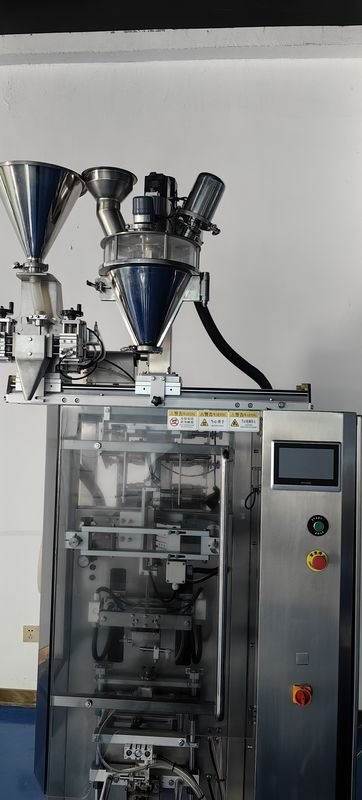
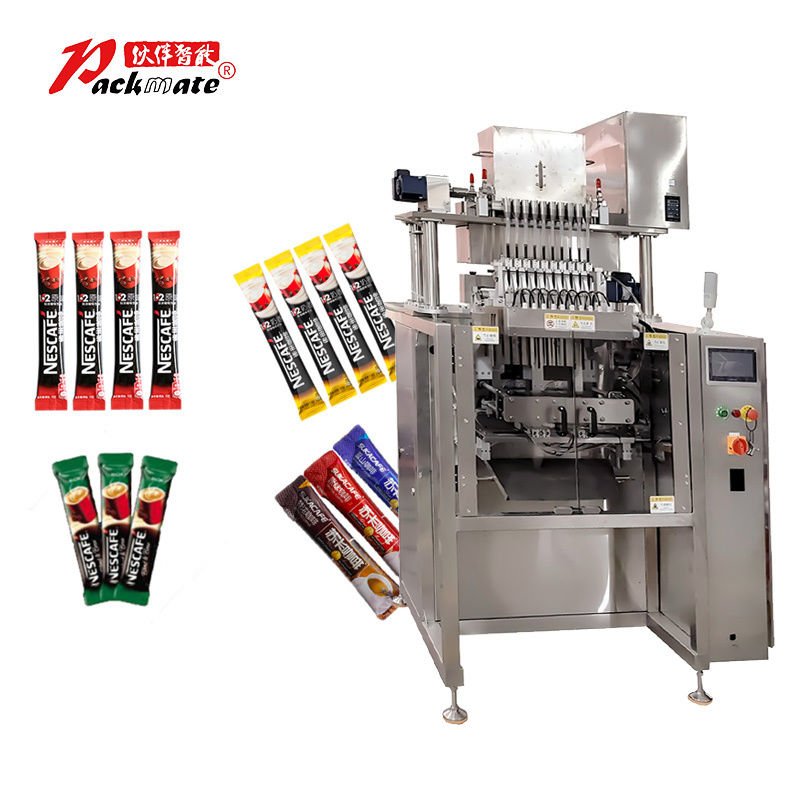
Sachet packaging machines create small, single-dose pouches, commonly used for powders, granules, or liquids. Their precise dosing, compact size, and hygienic sealing make them essential for over-the-counter drugs, rehydration salts, and dietary supplements.
5. Cartoning Machines
Cartoning machines automate the process of placing blister packs, bottles, or sachets into cartons and sealing them. These high-speed machines are integral to secondary packaging lines, supporting clear labeling, leaflet insertion, and serialization for anti-counterfeiting measures.
6. Labeling and Serialization Machines
Accurate labeling is essential for pharmaceutical compliance. Labeling machines apply product information, batch numbers, and barcodes, while serialization systems add unique identifiers to each package for traceability and regulatory compliance.
7. Vacuum and Sealing Machines
These machines remove air from packaging and create a hermetic seal, extending product shelf-life and protecting sensitive drugs from oxidation and contamination. They are particularly useful for injectable products and medical devices.
Benefits of Using Advanced Pharma Packaging Machines
- Enhanced Product Safety: Intelligent packaging machines reduce human intervention, minimizing contamination risks and ensuring consistent product quality.
- Regulatory Compliance: Advanced machines, such as those provided by Packmate (GuangDong) Co., Ltd., comply with GMP and EU standards, meeting stringent global regulatory requirements.
- Precision and Accuracy: Automated systems deliver consistent dosing, labeling, and sealing, reducing errors and product recalls.
- Increased Efficiency: High-speed operation and automation cut labor costs, boost productivity, and support high-volume production.
- Traceability and Counterfeit Prevention: Integrated serialization and labeling solutions ensure complete supply chain visibility and product authenticity.
- Flexible and Scalable: Modular machine designs accommodate different product formats and production scales, supporting future growth.
How to Choose the Right Pharmaceutical Packaging Machine
Selecting an optimal packaging machine involves assessing product type, production volume, regulatory requirements, and operational environment. Here are expert tips:
- Product Characteristics: Consider dosage form (solid, liquid, powder), sensitivity to moisture/air, and packaging material compatibility.
- Production Capacity: Match machine speed and output with your facility’s volume requirements to avoid bottlenecks.
- Compliance Standards: Ensure the machine meets current Good Manufacturing Practice (GMP), CE, and ISO standards.
- Automation Level: Decide between semi-automatic and fully-automatic systems based on labor resources and desired efficiency.
- After-Sales Support: Choose suppliers like Packmate (GuangDong) Co., Ltd., who offer global service networks and responsive technical support.
Packmate: Leading Innovation in Pharmaceutical Packaging Solutions
Packmate (GuangDong) Co., Ltd. stands out as a global leader in intelligent packaging equipment. With over 30 years of experience, 30+ patents, and a 20,000㎡ advanced manufacturing facility, Packmate delivers high-speed, GMP-compliant machines that drive efficiency and reliability.
Key strengths include:
- Engineering-driven innovation with a professional team of 125+ members and over 100 advanced production units.
- International certifications (CE & ISO) and strict quality control at every production stage.
- Comprehensive global support with fast delivery and reliable after-sales service.
- Future-ready technology tailored to the evolving demands of pharmaceutical manufacturers worldwide.
As a trusted supplier, Packmate’s mission is to help partners across Europe, the Americas, Africa, the Middle East, and Asia shape the future of intelligent manufacturing. Visit Packmate’s website to explore industry-leading packaging machine solutions.
FAQs about Pharma Packaging Machines
1. What are the main types of pharmaceutical packaging machines?
Key types include blister packing, bottle filling and capping, strip packing, sachet packing, cartoning, labeling/serialization, and vacuum sealing machines.
2. How do packaging machines ensure regulatory compliance?
Modern machines are designed and certified to meet GMP, CE, and ISO standards, supporting traceability, safety, and global regulatory requirements.
3. How can I choose the right packaging machine for my pharmaceutical product?
Evaluate product type, production volume, compliance needs, automation level, and after-sales support before selecting a machine or supplier.
4. Why choose Packmate for pharmaceutical packaging solutions?
Packmate offers over 30 years of expertise, certified quality, innovative technology, and comprehensive global service, ensuring reliable and efficient packaging solutions.
5. Where can I find more information about packaging machines?
Visit the Packmate official website for detailed product information, technical specifications, and expert support.