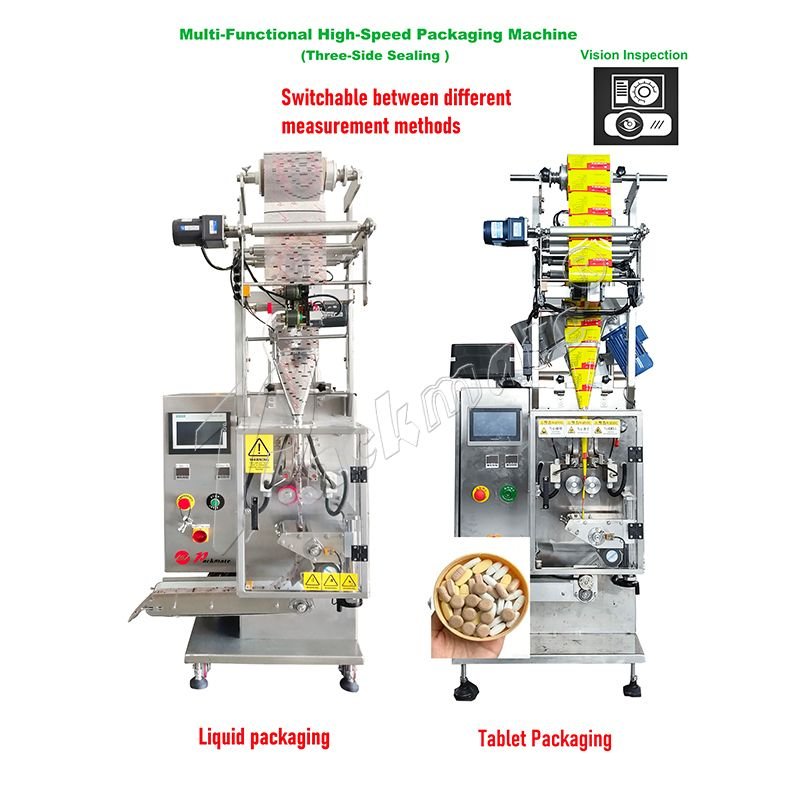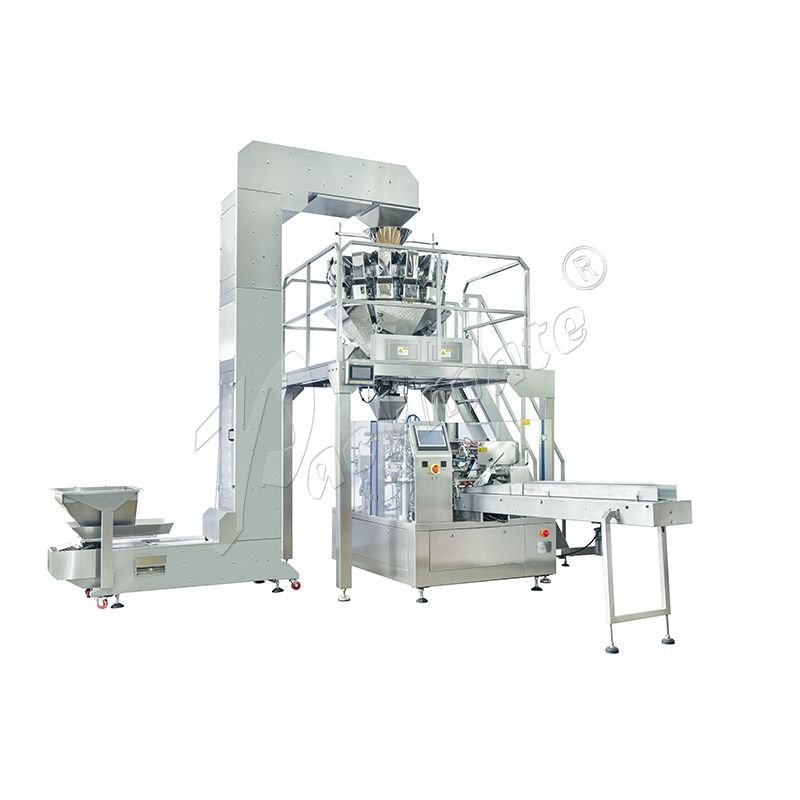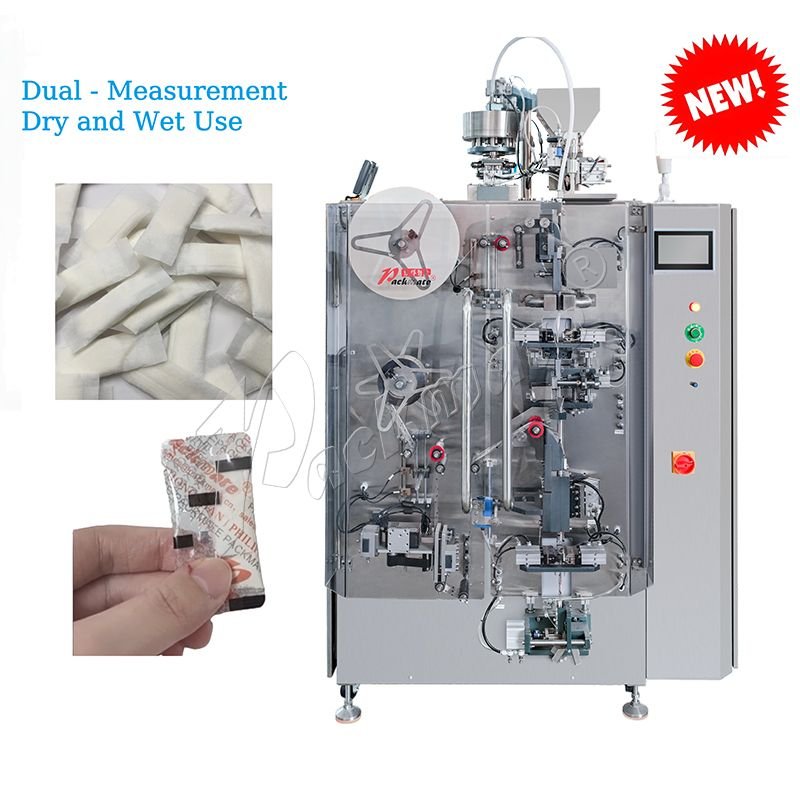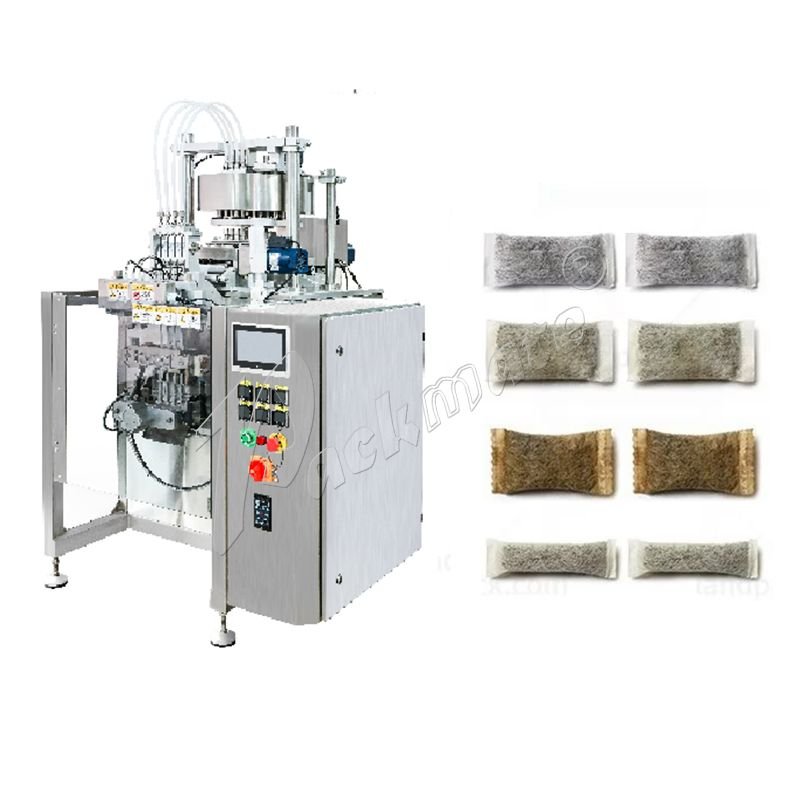
What is a Dirt Packing Machine? 🛠
Why Soil Compaction is Critical in Construction & Landscaping
- Improved load-bearing capacity for foundations, pavements, and landscaping features
- Minimized soil settlement over time, reducing the risk of cracks or sinking
- Enhanced water drainage and reduced soil erosion
- Longer-lasting, safer structures
Types of Dirt Packing Machines 🔧
- Plate Compactors: Ideal for small to medium-sized areas, walkways, patios, and landscaping jobs. They use a vibrating flat plate to compact soil efficiently.
- Rammer Compactors (Jumping Jacks): Perfect for trenches, tight spaces, and cohesive soils due to their high-impact compaction action.
- Roller Compactors: Suitable for large surfaces like roads and building pads. They use one or more heavy drums to compress soil effectively.
- Sheepsfoot Rollers: Designed for clay-rich or cohesive soils, these have protruding knobs to knead and compact the soil deeply.
How to Choose the Best Dirt Packing Machine for Your Project
- Project Size: Large-scale commercial projects need heavy-duty rollers, while home landscaping may only require a plate compactor.
- Soil Type: Cohesive soils (like clay) need more forceful machines (rammers or sheepsfoot), while granular soils (sand, gravel) can be compacted with plates or smooth rollers.
- Compaction Depth: Deeper layers require machines with more weight and power.
- Accessibility: Narrow trenches or tight corners benefit from compact rammers, whereas open areas allow larger equipment.
- Budget & Frequency of Use: Balance equipment cost with durability and after-sales support.
Top Features to Look for in a High-Quality Soil Compactor
- Robust Construction: High-quality steel frame and durable components for long-term use.
- Efficient Vibration Mechanism: Ensures uniform compaction and energy savings.
- Easy Operation & Maneuverability: User-friendly controls and ergonomic design.
- Safety Features: Emergency stops, protective guards, and stable operation.
- Low Maintenance: Easy access for cleaning and routine servicing.
- Compliance: Machines should meet international certifications like CE and ISO for safety and performance.
Packmate: Your Trusted Partner for Advanced Soil Compaction Solutions
- 30+ years of engineering experience in intelligent equipment manufacturing
- Internationally certified with CE & ISO standards
- State-of-the-art manufacturing facility covering 20,000㎡
- Strong R&D with 30+ patents and continuous innovation
- Global support network for fast delivery and technical assistance
Step-by-Step Guide: How to Use a Dirt Packing Machine for Best Results
- Site Preparation: Remove debris, organic matter, and large rocks. Level the area as much as possible.
- Moisten the Soil: For best compaction, ensure the soil is slightly damp (not too dry or saturated).
- Select the Right Machine: Choose a packaging machine or compactor suited to your soil type and area.
- Make Multiple Passes: Operate the machine in overlapping passes until the desired compaction level is reached.
- Test Compaction: Use a hand tool or compaction tester to check soil firmness. Add more soil and repeat if necessary.
Maintenance Tips for Prolonged Equipment Life 🔧
- Clean after each use—remove soil and debris to prevent corrosion.
- Check for loose bolts and damaged parts regularly.
- Lubricate moving components as recommended by the manufacturer.
- Store in a dry, sheltered location when not in use.
- Always use packaging machine parts from authorized suppliers to ensure compatibility and safety.
The Future of Soil Compaction: Smart & Sustainable Solutions
Frequently Asked Questions (FAQ) ❓
Q1: What is the best dirt packing machine for home landscaping?
A: For most residential landscaping projects, a plate compactor provides the right balance of power, maneuverability, and cost-effectiveness. It is easy to operate and suitable for patios, pathways, and garden beds.
Q2: How do I know if my soil is properly compacted?
A: Properly compacted soil feels firm underfoot and does not shift when walked on. For critical applications, use a compaction tester or consult with a professional.
Q3: How often should I maintain my compactor?
A: Clean the machine after every use, inspect parts weekly, and follow the manufacturer’s maintenance schedule for lubrication and servicing.
Q4: Can I rent a dirt packing machine instead of buying?
A: Yes, many equipment rental companies offer compactors for short-term use. However, for frequent or large-scale work, investing in your own machine provides better long-term value.
Q5: Where can I find reliable dirt packing and packaging machine solutions?
A: Packmate (GuangDong) Co., Ltd. offers advanced, reliable packaging machine solutions for construction, landscaping, and industrial applications. Contact us for tailored recommendations and global support.