How Does a Milk Packing Machine Work? Detailed Guide for Efficient Milk Packaging
📦
Milk packing machines are at the heart of modern dairy operations, ensuring hygiene, efficiency, and freshness from production to point-of-sale. Understanding how these machines work not only boosts operational efficiency but also supports compliance with food safety regulations.
Milk packing machines are at the heart of modern dairy operations, ensuring hygiene, efficiency, and freshness from production to point-of-sale. Understanding how these machines work not only boosts operational efficiency but also supports compliance with food safety regulations.
What Is a Milk Packing Machine?
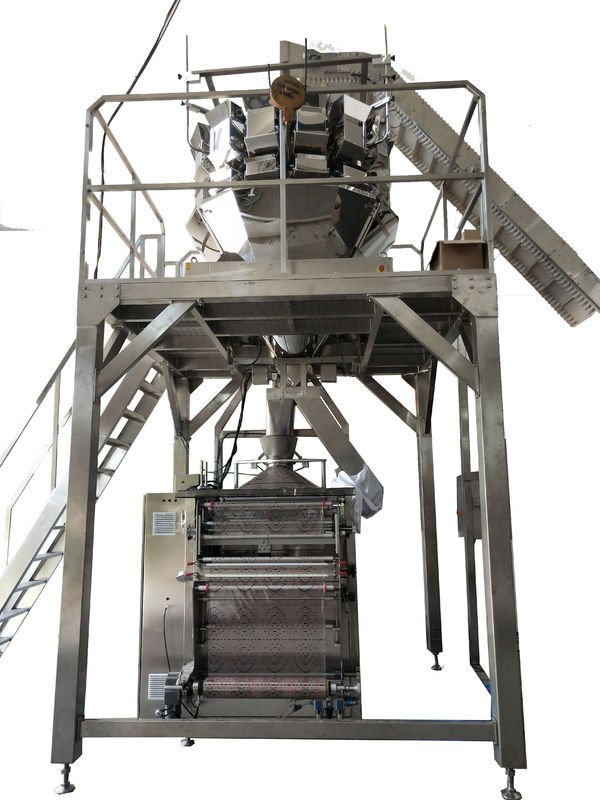
A packaging machine specifically designed for milk is an automated solution that fills, seals, and packages milk in containers such as pouches, bottles, or cartons. Equipped with advanced sensors, controls, and precision engineering, these machines streamline the milk packaging process while maintaining the product’s quality and safety.
Key Components of a Milk Packing Machine
- Milk Reservoir: Holds milk before filling, ensuring continuous supply.
- Filling Nozzle: Dispenses precise volumes of milk into packaging.
- Packaging Material Feed: Automatically unwinds packaging film or supplies pre-formed containers.
- Sealing Unit: Hermetically seals packages to maintain freshness.
- Cutting Mechanism: Separates individual packages cleanly.
- Control System: Monitors and automates the entire packaging process.
Step-by-Step: How Does a Milk Packing Machine Work?
- Milk Infeed: Pasteurized milk is pumped into the reservoir. The system maintains a constant flow, reducing the risk of contamination.
- Packaging Material Preparation: Rolls of food-grade film are loaded or pre-formed containers are lined up. The machine automatically aligns and positions them.
- Filling: The filling nozzle accurately dispenses a set volume of milk into each package. Modern machines use sensors to prevent overflow and ensure consistency.
- Sealing: The filled container passes through a heat or ultrasonic sealing unit, creating a leak-proof barrier. This is crucial for freshness and hygiene.
- Cutting & Discharge: Packages are cut to size and moved to the next stage—labeling, boxing, or direct dispatch.
⚙️
Automation and precision engineering work together in packaging machines to increase speed, reduce manual errors, and maintain strict hygiene standards.
Automation and precision engineering work together in packaging machines to increase speed, reduce manual errors, and maintain strict hygiene standards.
Benefits of Using an Automated Milk Packing Machine
- Consistent Quality: Automated filling and sealing ensure every package meets quality standards.
- Enhanced Hygiene: Reduced human intervention minimizes contamination risk.
- Cost Efficiency: High-speed operation lowers labor costs and increases throughput.
- Flexible Production: Machines can switch between different packaging formats and sizes.
- Compliance: Meets food safety and traceability requirements.
Types of Milk Packing Machines
| Type | Application |
|---|---|
| Pouch Packing Machine | Flexible pouches, widely used for single-serve and retail milk packaging. |
| Bottle Filling Machine | Plastic or glass bottles, ideal for premium and larger-volume products. |
| Carton Packing Machine | Paperboard cartons, common for UHT and extended shelf-life milk. |
Key Technologies in Modern Milk Packing Machines
- PLC Control Systems: Allow for real-time monitoring and easy operation adjustments.
- Servo Motors: Enable precise movements for filling and sealing.
- Sanitation Features: Integrated cleaning-in-place (CIP) systems for hygiene.
- Touchscreen Interfaces: Provide user-friendly control panels for operators.
Ensuring Food Safety and Compliance
🍲
Milk packaging must comply with food-grade standards such as EU regulations and GMP. Automated packaging machines feature contact materials certified for food use, traceability systems, and advanced sealing technology to prevent spoilage.
Milk packaging must comply with food-grade standards such as EU regulations and GMP. Automated packaging machines feature contact materials certified for food use, traceability systems, and advanced sealing technology to prevent spoilage.
Packmate’s Leadership in Milk Packing Technology
With over 30 years of experience, Packmate (GuangDong) Co., Ltd. delivers innovative, reliable, and efficient packaging solutions for the dairy industry. Their advanced manufacturing facility, stringent quality control, and international certifications (CE & ISO) ensure every machine is built for performance and safety.
- Over 125 professionals with deep technical expertise.
- 20,000㎡ modern facility equipped with 100+ advanced production units.
- Continuous R&D and more than 30 patents in packaging technology.
- Global support and fast delivery to customers in Europe, the Americas, Africa, and Asia.
How to Choose the Right Milk Packing Machine?
- Production Volume: Consider your current and future daily output.
- Packaging Format: Pouch, bottle, or carton according to your market requirements.
- Automation Level: Choose full or semi-automatic systems based on labor availability.
- Hygiene & Compliance: Ensure the machine meets relevant food safety standards.
- After-Sales Support: Opt for suppliers like Packmate with global service networks.
Maintenance and Troubleshooting Tips
- Regularly clean all milk-contact components using authorized detergents.
- Check and replace sealing elements to avoid leaks.
- Monitor PLC and sensor diagnostics for early fault detection.
- Schedule periodic technical inspections to extend machine lifespan.
Conclusion: The Future of Milk Packaging
📌
As consumer demand for fresh, safe, and convenient dairy products grows, milk packing machines will continue to play a vital role in food safety and efficiency. Investing in advanced, automated solutions from leading manufacturers like Packmate ensures you stay competitive and compliant within the dynamic dairy industry.
As consumer demand for fresh, safe, and convenient dairy products grows, milk packing machines will continue to play a vital role in food safety and efficiency. Investing in advanced, automated solutions from leading manufacturers like Packmate ensures you stay competitive and compliant within the dynamic dairy industry.
FAQs about Milk Packing Machines
❓
What types of milk packaging formats can these machines handle?
Modern machines can handle pouches, bottles, and cartons, and can be customized for various sizes and shapes.
What types of milk packaging formats can these machines handle?
Modern machines can handle pouches, bottles, and cartons, and can be customized for various sizes and shapes.
❓
How do milk packing machines ensure hygiene?
They use stainless steel contact parts, automated cleaning systems, and sealed environments to prevent contamination.
How do milk packing machines ensure hygiene?
They use stainless steel contact parts, automated cleaning systems, and sealed environments to prevent contamination.
❓
Can I adjust the fill volume for different products?
Yes, most advanced machines feature programmable filling settings for different volumes and products.
Can I adjust the fill volume for different products?
Yes, most advanced machines feature programmable filling settings for different volumes and products.
❓
What certifications should I look for in a milk packaging machine?
Look for machines with CE, ISO, and food-grade GMP certifications to ensure compliance and safety.
What certifications should I look for in a milk packaging machine?
Look for machines with CE, ISO, and food-grade GMP certifications to ensure compliance and safety.
❓
Where can I find reliable milk packaging solutions?
Visit Packmate’s packaging machine solutions for high-quality, certified equipment and global support.
Where can I find reliable milk packaging solutions?
Visit Packmate’s packaging machine solutions for high-quality, certified equipment and global support.