Understanding How Packaging Machines Work
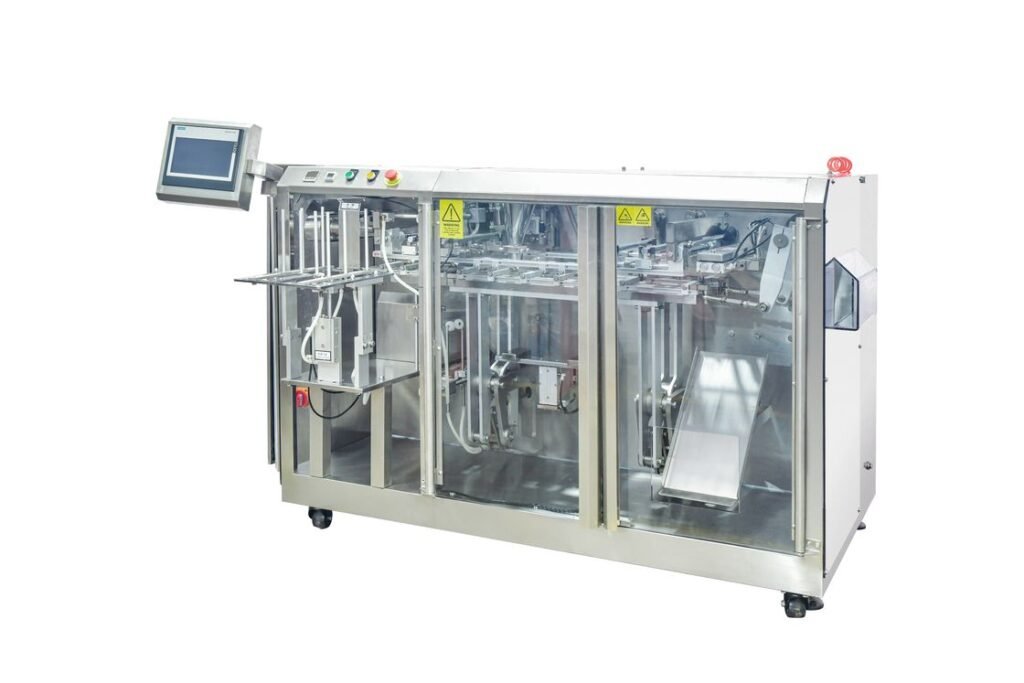
Packaging machines are sophisticated automated systems that transform raw products into neatly packaged goods ready for distribution and sale. These machines have revolutionized manufacturing by combining mechanical engineering, electronics, and software control to perform complex packaging tasks with speed, precision, and consistency. Understanding how packaging machines work provides valuable insight into modern production processes and helps businesses select the right equipment for their needs.
The Fundamental Purpose of Packaging Machines
At their core, packaging machines automate the process of enclosing products in protective materials or containers. They perform essential functions including:
- Forming containers or packages from raw materials like film, cardboard, or plastic.
- Filling packages with precise amounts of product.
- Sealing packages to protect contents from contamination and damage.
- Labeling and coding for identification and traceability.
- Inspecting packages to ensure quality standards are met.
Modern packaging machines integrate multiple processes into streamlined automated systems that dramatically increase efficiency and reduce labor costs.

The Basic Operating Principle of Packaging Machines
While specific designs vary by type and application, most packaging machines follow a similar operational sequence:
Step 1: Product Feeding
Products enter the machine through feeding systems such as conveyors, hoppers, or vibratory feeders. Sensors detect product presence and signal the control system to begin the packaging cycle.
Step 2: Package Formation
For machines that create packages from raw materials, forming stations shape flat materials into bags, pouches, boxes, or other containers using mechanical guides, heat, and pressure.
Step 3: Product Filling
Filling mechanisms dispense measured quantities of product into the formed package. Methods vary based on product type including volumetric fillers, weighing systems, or counting devices.
Step 4: Sealing
Sealing stations close and secure packages using heat sealing, adhesive bonding, ultrasonic welding, or mechanical crimping depending on material and application requirements.
Step 5: Finishing Operations
Final steps may include trimming excess material, applying labels, printing date codes, and quality inspection before packages exit the machine.
Key Components That Make Packaging Machines Function
Mechanical Systems
The mechanical framework provides the physical structure and motion required for packaging operations:
- Frame and structure: Rigid construction typically made from stainless steel or aluminum to support all components.
- Conveyor systems: Transport products and packages through different processing stations.
- Motors and drives: Electric motors provide rotational or linear motion, controlled by variable frequency drives for precise speed adjustment.
- Actuators: Pneumatic cylinders or electric actuators create pushing, pulling, and clamping movements.
- Gears and linkages: Transmit and transform motion between components.
Control Systems
Modern packaging machines rely on sophisticated electronic control systems:
- Programmable Logic Controllers (PLCs): Industrial computers that execute control programs and coordinate all machine functions.
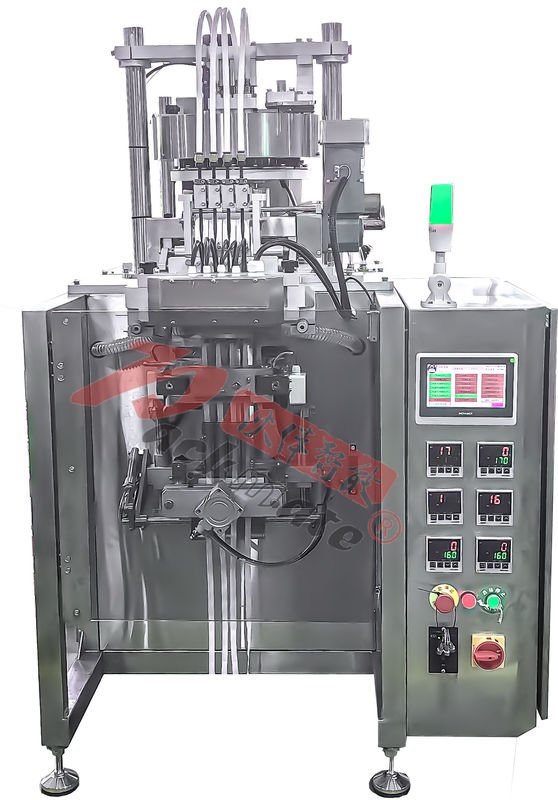
- Human Machine Interface (HMI): Touchscreen displays that allow operators to monitor status, adjust settings, and troubleshoot issues.
- Sensors: Photoelectric, proximity, and pressure sensors provide feedback about product position, package presence, and process conditions.
- Safety systems: Emergency stops, light curtains, and interlocks protect operators from hazards.
Specialized Processing Components
Different packaging applications require specific processing elements:
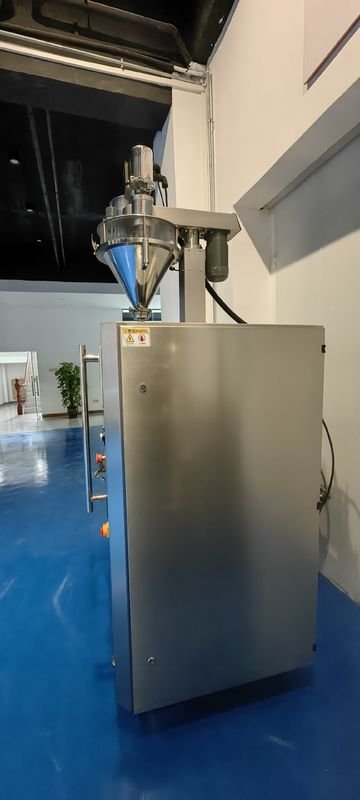
- Filling systems: Auger fillers for powders, piston fillers for liquids, or multi-head weighers for solid pieces.
- Sealing mechanisms: Heat sealing bars, impulse sealers, or ultrasonic welding heads.
- Cutting devices: Rotary knives, guillotine cutters, or laser cutting systems.
- Labeling applicators: Print and apply systems or pressure-sensitive label dispensers.
How Different Types of Packaging Machines Work
Vertical Form Fill Seal (VFFS) Machines
VFFS machines create bags from a continuous roll of film in a vertical orientation:
- Film unwinds from a roll and passes through forming guides that shape it into a tube.
- A vertical sealing mechanism creates a longitudinal seal joining the film edges.
- Product flows down through the tube from a filling system positioned above.
- Horizontal sealing jaws create the bottom seal of one bag and the top seal of the next bag simultaneously.
- A cutting blade separates individual packages.
Horizontal Flow Wrappers
Flow wrappers package products horizontally using these steps:
- Products are fed onto a conveyor and positioned by timing screws or belts.
- Film is pulled from a roll and wrapped around the product from below.
- A fin seal joins the film edges on the bottom of the package.
- End sealing jaws crimp and seal both ends of the package.
- The sealed package exits the machine for further processing or boxing.
Vacuum Packaging Machines
Vacuum packaging removes air before sealing through this process:
- Products are placed in pre-made bags or pouches with one end open.
- The open end is positioned in the machine’s sealing area.
- A vacuum pump evacuates air from inside the package.
- Once the desired vacuum level is reached, heat sealing bars close and seal the opening.
- Some machines inject inert gases like nitrogen before sealing for modified atmosphere packaging.
Cartoning Machines
Automated cartoning machines assemble and fill cartons using coordinated movements:
- Flat carton blanks are picked from a magazine by vacuum cups or mechanical fingers.
- The blank is erected into box shape using folding plows and tucking mechanisms.
- Products are inserted into the open carton either from the top or end.
- Closure flaps are folded and secured with adhesive or mechanical locks.
- Completed cartons exit for case packing or palletizing.
The Role of Sensors and Feedback in Machine Operation
Sensors are critical for ensuring packaging machines operate reliably and produce quality results:
- Photoelectric sensors detect product presence and position for timing control.
- Registration marks on printed film are tracked by sensors to ensure proper positioning.
- Weight scales verify fill accuracy and trigger adjustments if products are over or under target.
- Temperature sensors monitor sealing elements to maintain optimal heat levels.
- Vision systems inspect packages for defects, proper labeling, and seal integrity.
Real-time sensor feedback allows machines to automatically adjust parameters and maintain consistent quality throughout production runs.
Automation and Control Logic in Modern Packaging Machines
The control program orchestrates all machine functions through logical sequences:
- The PLC continuously monitors sensor inputs to determine machine state and product position.
- Based on programmed logic, the controller activates motors, actuators, and other components in precise timing.
- Recipes store different parameter sets for various products, allowing quick changeovers.
- Error handling routines detect faults and either correct them automatically or alert operators.
- Data logging records production statistics, downtime events, and performance metrics.
Material Handling and Product Flow
Efficient material handling ensures smooth operation:
- Product infeed: Conveyors, vibratory feeders, or robotic pick-and-place systems deliver products to the packaging station.
- Film handling: Unwind stands with tension control ensure consistent film feed without wrinkles or tears.
- Synchronization: Timing mechanisms coordinate product arrival with package formation for continuous operation.
- Outfeed systems: Finished packages are conveyed to downstream equipment like case packers or palletizers.
Quality Control and Inspection During Packaging
Integrated quality systems ensure only acceptable packages leave the machine:
- Vision systems inspect seal quality, label placement, and print legibility.
- Check weighers verify each package contains the correct amount of product.
- Metal detectors or X-ray systems screen for foreign objects.
- Leak detection tests verify package integrity for vacuum or gas-flushed products.
- Reject mechanisms automatically remove defective packages from the production line.
Maintenance Requirements for Optimal Performance
Regular maintenance keeps packaging machines running efficiently:
- Daily cleaning removes product residue and prevents contamination.
- Lubrication of moving parts reduces wear and prevents breakdowns.
- Periodic inspection identifies worn components before they fail.
- Calibration of sensors and scales maintains accuracy.
- Software updates provide bug fixes and new features.
Advantages of Understanding Machine Operation
Knowledge of how packaging machines work benefits operators and managers:
- Faster troubleshooting when problems occur.
- Better optimization of machine settings for different products.
- Informed decisions when selecting new equipment.
- Improved communication with machine suppliers and technicians.
- Enhanced ability to train new operators effectively.
Conclusion
Packaging machines work through the coordinated interaction of mechanical systems, electronic controls, and specialized processing components. By understanding the fundamental principles of forming, filling, sealing, and quality control, businesses can better utilize these powerful tools to improve efficiency and product quality. Whether operating existing equipment or evaluating new machinery from suppliers like Packmate Machinery, comprehending how packaging machines work is essential for maximizing their value in modern production environments.
Frequently Asked Questions
What is the basic principle behind how packaging machines work?
Packaging machines automate the process of forming containers, filling them with product, sealing them securely, and applying labels through coordinated mechanical and electronic systems controlled by programmable logic.
What types of sensors do packaging machines use?
Common sensors include photoelectric sensors for product detection, temperature sensors for sealing control, weight scales for fill accuracy, and vision systems for quality inspection.
How do packaging machines ensure consistent quality?
Through precise control of timing, temperature, and pressure combined with real-time sensor feedback and automated inspection systems that detect and reject defective packages.
Can packaging machines handle different product types?
Yes, modern machines feature adjustable settings and changeover capabilities that allow them to package various products by modifying parameters like fill volume, seal temperature, and timing sequences.
Where can I find reliable packaging machines for my business?
Packmate Machinery offers a comprehensive range of high-quality packaging machines with expert technical support for various industries and applications.