Understanding the Shift: From Primary Packaging Line to Fully Automated System
The global manufacturing landscape is evolving at an unprecedented pace. As consumer demands for efficiency, quality, and safety intensify, businesses in the pharmaceutical, healthcare, and food industries are seeking smarter solutions for their packaging processes. Transforming your primary packaging line into a fully automated system is not just a trend—it’s a strategic move for achieving maximum efficiency, cost savings, and product consistency. This article will guide you through the essential steps and considerations for automating your packaging line, leveraging industry expertise and the latest technological advancements from Packmate (GuangDong) Co., Ltd..
Why Automate Your Primary Packaging Line?
- Improved Productivity: Automation enables continuous, high-speed operation, reducing human error and labor costs.
- Consistency & Quality Control: Automated systems ensure each package meets exact specifications, enhancing brand reputation and compliance.
- Scalability: A modular, automated line adapts to evolving production needs and regulatory standards.
- Data-Driven Efficiency: Smart packaging machines gather real-time data for process optimization and predictive maintenance.
Step 1: Assessing Your Current Packaging Line
Before embarking on automation, conduct a thorough review of your existing primary packaging line. Identify bottlenecks, manual touchpoints, and areas with frequent errors or downtime. Collaborate with an experienced partner like Packmate to analyze your line’s layout, existing machinery, and integration potential.
- Map out each process: filling, sealing, labeling, inspection, and secondary packaging.
- Evaluate machine compatibility and available space for new equipment.
- Assess the current workforce’s readiness for automation adoption.
Step 2: Defining Automation Goals & Requirements
Clearly outline your automation objectives. Are you aiming to increase throughput, enhance quality control, reduce costs, or comply with stricter regulations? These goals will guide your equipment selection and system design.
- Production Volume Targets: Set measurable output goals based on market demand.
- Quality & Compliance: Ensure compliance with EU, GMP, and industry-specific standards.
- Flexibility: Plan for future product variations or packaging formats.
Tip: Consulting with a packaging machinery expert, such as Packmate’s engineering team, can help you define realistic and impactful KPIs for your automation journey.
Step 3: Selecting the Right Intelligent Packaging Equipment
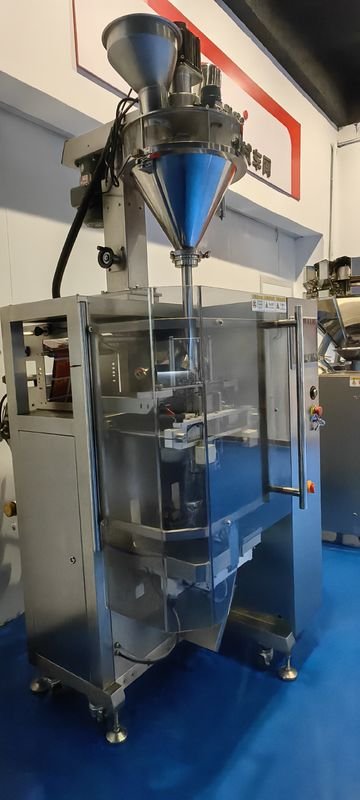
The heart of automation lies in choosing robust, technologically advanced machinery. Packmate’s intelligent packaging equipment is engineered for high speed, precision, and reliability, with CE and ISO certifications for peace of mind.
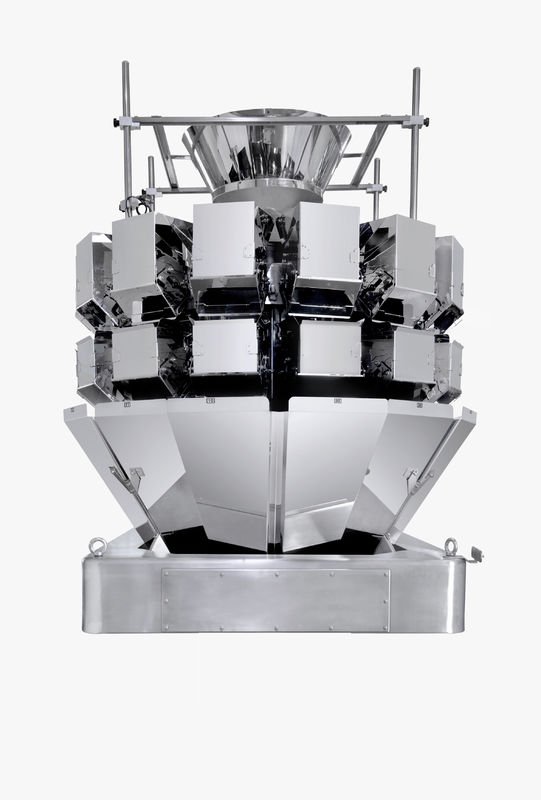
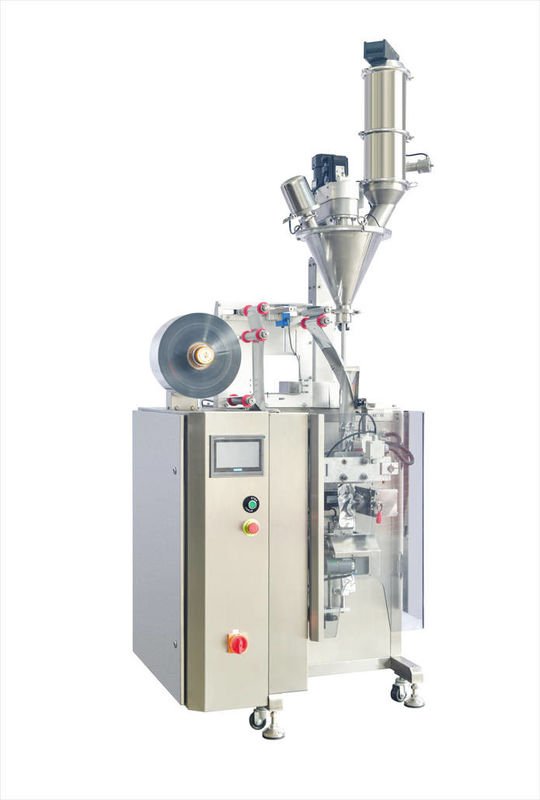
- Filling Machines: Advanced volumetric or gravimetric fillers for accurate dosing of liquids, powders, or granules.
- Sealing & Capping: Automated sealing and capping systems to ensure product integrity and tamper evidence.
- Labeling & Coding: Integration-ready labeling machines and printers for barcodes and traceability.
- Inspection Systems: Vision and weight inspection modules for real-time quality control.
- End-of-Line Solutions: Case packers, palletizers, and conveyors for seamless flow to secondary packaging.
All Packmate packaging machines are designed for easy integration, scalable upgrades, and simple maintenance, ensuring your investment is future-ready.
Key Features to Look For
- Modular design for step-by-step or full-line automation.
- Smart controls & IoT connectivity for real-time monitoring and remote diagnostics.
- Compliance with industry standards (EU, GMP, FDA).
- Energy-efficient operation and easy cleaning/maintenance.
Step 4: Integrating Automation and Digitalization
Integration is key for a seamless, high-performing automated line. This involves synchronizing machines, conveyors, and digital systems for uninterrupted flow and data visibility.
- Connect equipment via industrial networks for centralized control and data collection.
- Adopt SCADA or MES software for process visualization and production tracking.
- Leverage predictive maintenance to minimize unplanned downtime using real-time machine data.
- Enable remote monitoring for instant troubleshooting and support from your technology partner.
With Packmate’s engineering-driven innovation and technical support, global manufacturers can achieve true Industry 4.0 packaging capabilities.
Step 5: Quality Assurance, Compliance, and Safety
As automation reduces human intervention, ensuring system-wide quality and safety becomes critical. Choose a supplier with a proven track record for compliance and robust quality management.
- Implement in-line inspection for fill levels, seals, and labeling accuracy.
- Automate documentation for batch records and traceability.
- Integrate failsafes and emergency stop features for operator safety.
- Ensure all equipment meets CE & ISO standards, essential for global distribution.
Packmate stands out for its strict quality control at every production stage, from component processing to final machine testing, guaranteeing safety and reliability.
Step 6: Training, Support, and Sustainable Operation
A successful automation project goes beyond installation. Continuous training, technical support, and proactive maintenance are vital for sustainable, long-term success.
- Invest in operator and technician training for new systems.
- Access responsive after-sales service and spare parts supply from a global network, such as Packmate.
- Utilize remote diagnosis and software updates for future-proof operation.
- Track KPIs and conduct regular audits to ensure ongoing performance improvement.
Sustainability is fundamental—seek out energy-efficient machines and eco-friendly materials as you automate, supporting your corporate responsibility goals.
Why Choose Packmate for Your Packaging Line Automation?
For over 30 years, Packmate (GuangDong) Co., Ltd. has been a trusted partner for innovative, high-quality packaging solutions. With a 20,000㎡ modern facility, 125+ professional team members, and over 30 technology patents, Packmate delivers:
- Custom-engineered solutions tailored to your product and workflow.
- EU and GMP-compliant equipment for international market access.
- Global export network and responsive local technical support.
- Future-ready technology with IoT, data analytics, and modular upgrades.
- Strict quality assurance and decades of proven reliability.
Ready to start your automation journey? Visit Packmate’s website to explore our full range of GMP-compliant packaging machines and connect with our engineering team for expert guidance.
Frequently Asked Questions (FAQ)
How long does it take to automate a primary packaging line?
The timeline depends on the complexity of your existing line and automation scope. Most projects take 3-6 months, including assessment, equipment manufacturing, installation, and training.
Can automation handle multiple product formats?
Yes. Modern automated lines are designed for flexibility, enabling rapid changeovers between different packaging sizes and formats with minimal downtime.
How do I ensure equipment compliance with international standards?
Partner with certified manufacturers like Packmate, whose machines comply with EU, GMP, CE, and ISO standards, ensuring global acceptance and regulatory compliance.
What ongoing support is available after installation?
Packmate offers comprehensive after-sales services, including on-site support, spare parts, remote diagnostics, and operator training for long-term success.
Is it possible to automate in phases?
Absolutely. Packmate’s modular systems allow you to automate in stages, aligning with your budget and production goals while minimizing disruption.