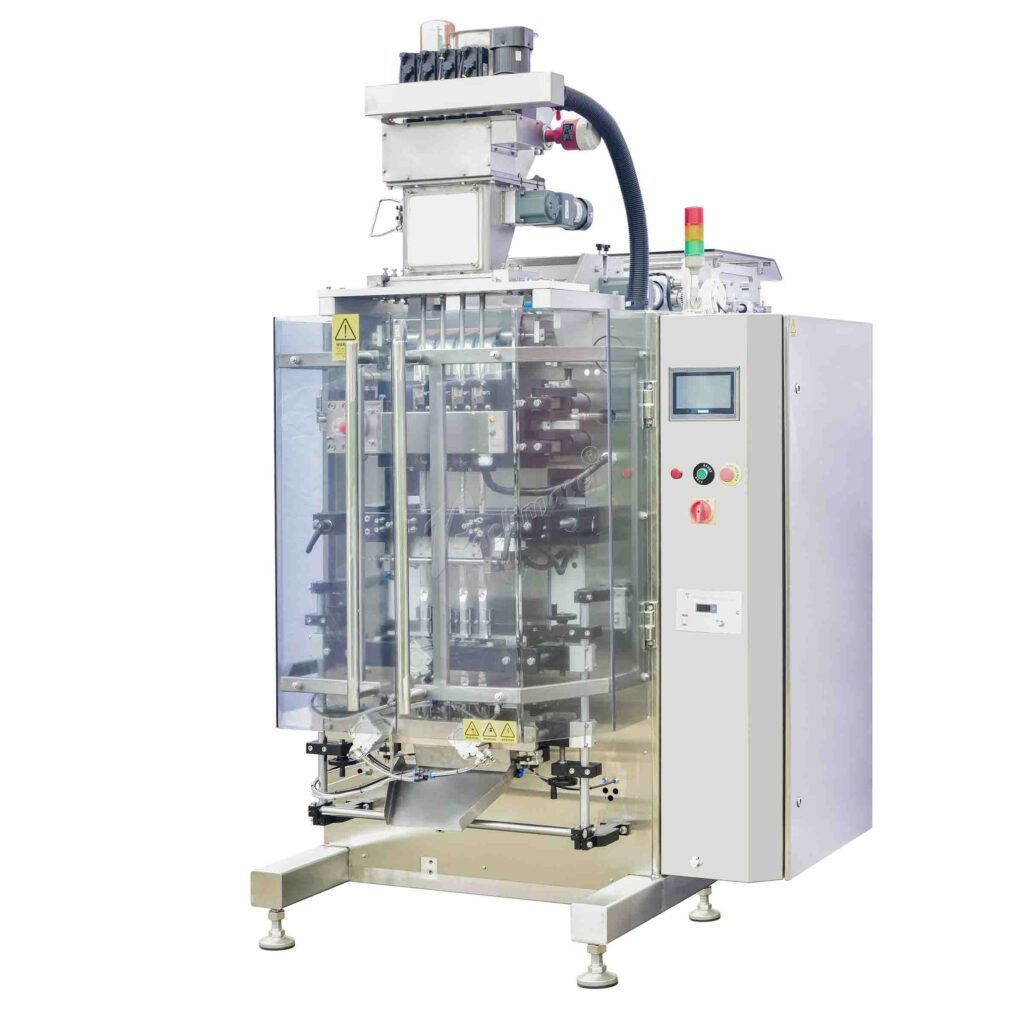
Understanding Milk Packing Machine Cost Breakdown
Key Factors Affecting Milk Packing Machine Prices
-
Machine Type:
There are several types: automatic, semi-automatic, and manual machines. Automatic machines are more expensive due to advanced features and higher throughput. -
Production Capacity:
Machines with higher capacity (packs per hour) naturally command higher prices. -
Material & Build Quality:
Stainless steel, corrosion-resistant materials, and robust engineering increase machine longevity and price. -
Brand & Certifications:
Machines from certified manufacturers like Packmate with CE & ISO credentials ensure safety and quality but may cost more. -
Customization & After-Sales Service:
Special features (such as digital controls, GMP compliance) and comprehensive support influence pricing.
Detailed Cost Structure for Milk Packing Machines
This is the fundamental cost for the machine, which varies by technology and capacity. Entry-level machines may start at $3,000, while high-end models can exceed $50,000.
Installation & Commissioning:
Professional installation ensures optimal operation and may add $1,000–$5,000 depending on complexity.
Training & Maintenance:
Comprehensive training packages, spare parts, and maintenance plans are vital for sustained machine performance.
Shipping & Taxes:
Logistics costs depend on destination, packaging, and local import regulations.
Automation Impact: Why Automatic Milk Packing Machines Cost More
Semi-automatic machines require manual intervention but are cost-effective for small businesses or startups. Choosing the right automation level depends on production needs, budget, and future scalability.
Material Quality and Engineering: Long-Term Value
Why material matters:
- Prevents corrosion and contamination
- Reduces maintenance frequency
- Ensures consistent, reliable performance
How to Choose the Right Milk Packing Machine
Calculate daily volume, packaging type (pouches, bottles, cartons), and desired speed.
Assess Available Space:
Measure your facility and ensure machine size fits seamlessly into your workflow.
Evaluate Automation Level:
Consider labor availability and long-term operating costs; automatic machines may save money over time.
Check Certifications & Support:
Choose reputable brands with CE, ISO, and GMP certifications. Reliable after-sales service is essential—explore suppliers like Packmate.
Request Customization:
Adapt machines for local regulations or unique production needs, such as specialized packaging materials or digital controls.
Packmate (GuangDong) Co., Ltd.: Your Trusted Partner for Milk Packing Solutions
Key advantages:
- Engineering-driven innovation and quality manufacturing
- Global network with fast delivery and localized support
- Certified products for safe, hygienic milk packaging
- Continuous R&D and 30+ patents for cutting-edge technology
Discover the full range of packaging machine solutions and visit our factory for a personalized consultation.
Cost Optimization Tips for Buyers
Request quotations from several certified manufacturers and review specifications carefully.
Balance Initial Investment and Operating Costs:
Consider not only the purchase price but also maintenance, parts replacement, and energy consumption.
Negotiate Service Packages:
Secure training, warranty, and after-sales support as part of your agreement for long-term peace of mind.
Future Trends in Milk Packing Machine Technology
- Energy-efficient and eco-friendly
- Equipped with smart sensors for real-time quality control
- Adaptable to new packaging designs and regulations
Staying up-to-date with technological advancements ensures your investment remains competitive and future-proof.
FAQs: Milk Packing Machine Cost & Selection
Entry-level machines start around $3,000–$5,000, while fully automatic, high-capacity units can cost $20,000–$50,000 or more, depending on features and certifications.
Assess production volume, automation needs, facility space, and ensure compliance with local food safety standards. Reliable brands like Packmate offer expert guidance.
Consider installation, training, maintenance, spare parts, and logistics in your total cost calculation.
Certifications like CE, ISO, and GMP ensure machines meet international safety and hygiene standards, protecting your business and consumers.