If you’re in the food, pharmaceutical, cosmetic, or chemical industry, chances are you’ve come across small, single-use pouches filled with everything from sugar and salt to shampoo and medicine. These are called sachets — and the machines that produce them at scale are known as sachet packaging machines. Understanding how they work, what types exist, and how to choose the right one can make a significant difference in your production efficiency and product quality.
What Are Sachet Packaging Machines?
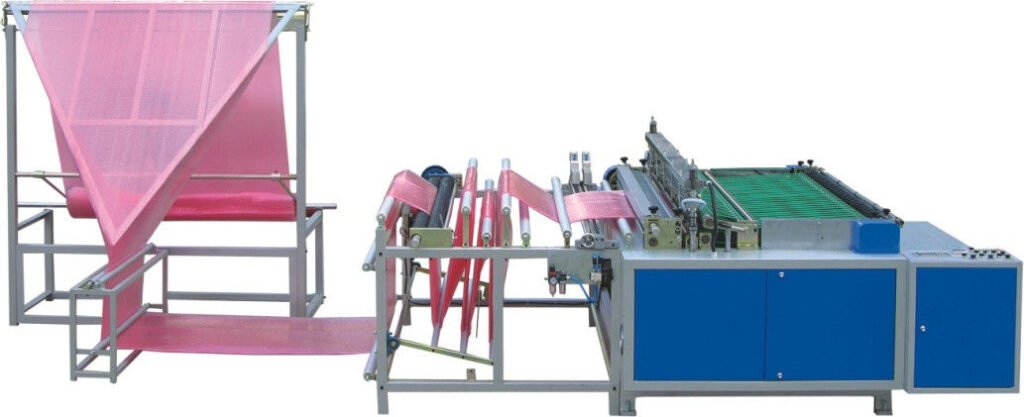
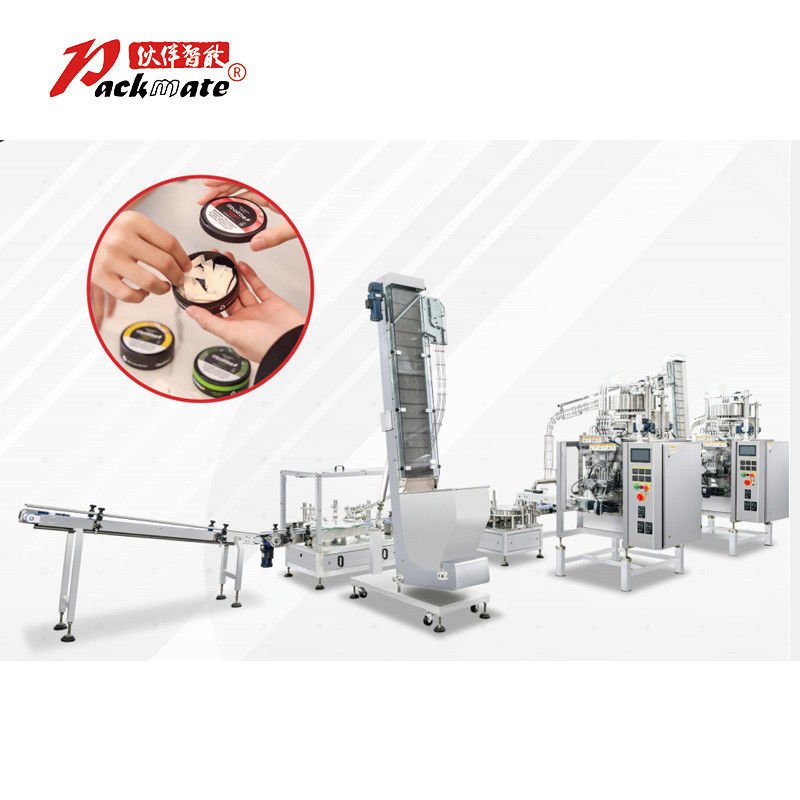
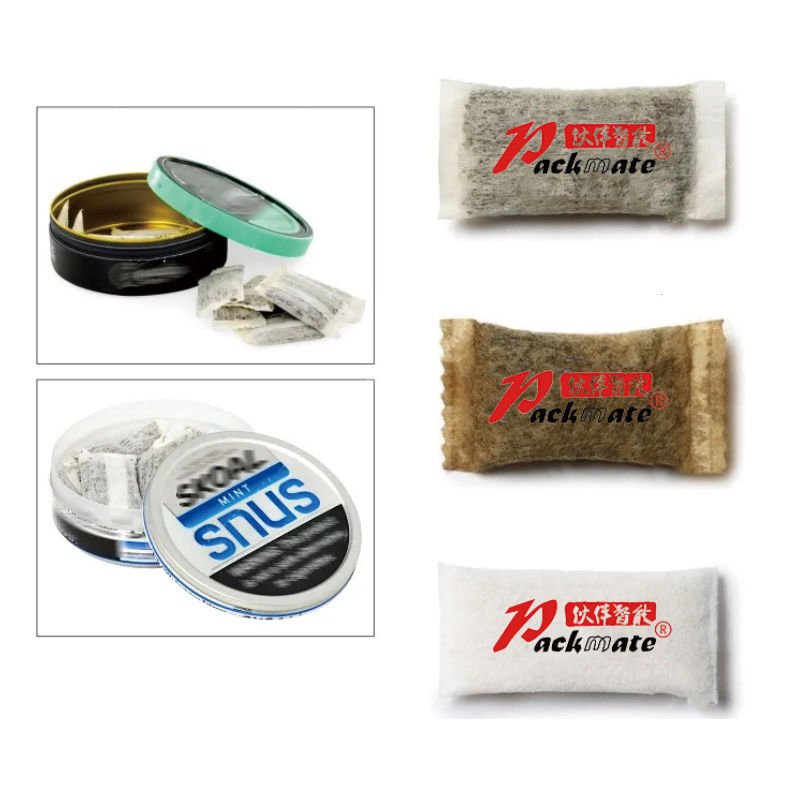
A sachet packaging machine is an automated or semi-automated piece of equipment designed to form, fill, and seal small flexible pouches — commonly referred to as sachets. These machines handle a wide range of products including powders, granules, liquids, creams, and gels. The entire process — from forming the pouch from a roll of film to filling it with the product and sealing it shut — is typically completed in one continuous operation.
Sachet packaging is one of the most cost-effective and consumer-friendly formats in modern packaging. It reduces product waste, offers precise dosing, and makes products accessible at lower price points — which is especially important in emerging markets.
How Does a Sachet Packaging Machine Work?
The working principle of a sachet packaging machine follows a straightforward but highly engineered process:
| Step | Process | Description |
|---|---|---|
| 1 | Film Unwinding | A roll of flexible packaging film is fed into the machine. |
| 2 | Pouch Forming | The film is shaped into a tube or flat pouch using forming collars or plates. |
| 3 | Product Filling | The product is dispensed into the pouch via auger, pump, or volumetric filler. |
| 4 | Sealing | Heat sealing bars close the top and sides of the sachet securely. |
| 5 | Cutting | Individual sachets are cut and discharged for collection or further packaging. |
Types of Sachet Packaging Machines
Not all sachet machines are built the same. The right type depends on your product characteristics, production volume, and budget. Here are the most common types:
▶ Vertical Form Fill Seal (VFFS) Machines
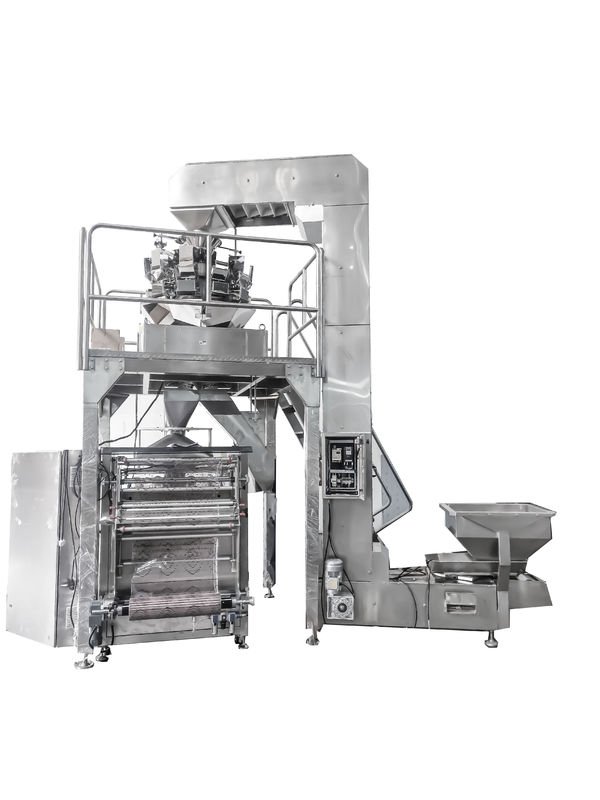
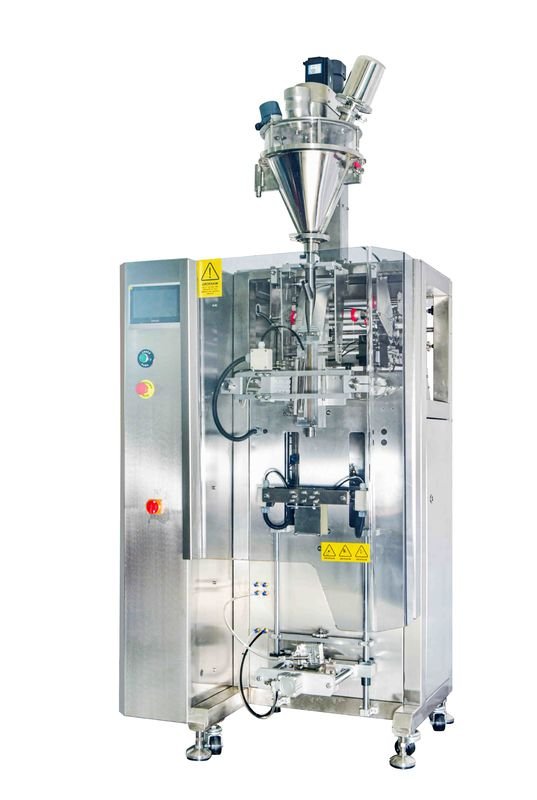
VFFS machines are among the most popular types of packaging machines for sachets. They form the pouch vertically, fill it from the top, and seal it. These are ideal for free-flowing powders, granules, and liquids. They offer high speed and are easy to integrate into existing production lines.
▶ Horizontal Form Fill Seal (HFFS) Machines
HFFS machines operate horizontally and are better suited for products that are more delicate or require a flat sachet format. They are commonly used in the pharmaceutical and cosmetic industries where precise dosing and presentation matter.
▶ Multi-Lane Sachet Machines
These machines run multiple lanes simultaneously, dramatically increasing output. They are ideal for high-volume production environments where speed is critical. Multi-lane machines can produce thousands of sachets per minute across 4, 8, or even 16 lanes.
▶ Stick Pack Machines
Stick packs are a variation of the sachet format — long, narrow tubes often used for single-serve beverages, supplements, and condiments. Stick pack machines are a specialized type of sachet packaging equipment optimized for this format.
Industries That Use Sachet Packaging Machines
Sachet packaging machines serve a remarkably broad range of industries. Their versatility makes them one of the most widely adopted packaging machine formats globally.
Food & Beverage
Sugar, salt, spices, instant coffee, sauces, ketchup, honey, and more.
Pharmaceutical
Oral rehydration salts, powdered medicines, single-dose supplements.
Cosmetics
Shampoo, conditioner, face masks, lotions, and serums.
Chemical
Detergents, fertilizers, water treatment chemicals, and cleaning agents.
Key Features to Look for in a Sachet Packaging Machine
When evaluating sachet packaging equipment, there are several critical features that separate a reliable, high-performance machine from a mediocre one:
- Fill Accuracy: Precise dosing is essential, especially in pharmaceutical and food applications. Look for machines with servo-driven filling systems and real-time weight feedback.
- Sealing Quality: Consistent heat sealing prevents leaks and contamination. Machines with adjustable temperature and pressure controls offer better seal integrity.
- Speed and Output: Production speed is measured in sachets per minute (SPM). High-speed machines can reach 200+ SPM per lane.
- Film Compatibility: The machine should support a variety of film materials including polyethylene (PE), polypropylene (PP), foil laminates, and biodegradable films.
- Ease of Changeover: Quick-change tooling and intuitive HMI controls reduce downtime when switching between products or sachet sizes.
- Hygienic Design: For food and pharma applications, stainless steel construction and easy-clean surfaces are non-negotiable.
- Automation Level: Modern machines offer PLC-controlled automation with touchscreen interfaces, remote diagnostics, and integration with upstream/downstream equipment.
Benefits of Using Sachet Packaging Machines
Investing in a dedicated sachet packaging machine delivers measurable advantages across your production and business operations:
Sachets use less packaging material than bottles or jars, reducing material costs significantly at scale.
Hermetic sealing protects products from moisture, oxygen, and contamination, extending product freshness.
Single-serve sachets are portable, easy to use, and eliminate the need for measuring — perfect for on-the-go consumers.
Lower unit price points make products accessible to a wider consumer base, especially in price-sensitive markets.
Automated sachet machines can produce thousands of units per hour, far outpacing manual packaging methods.
Custom printed films allow for full-color branding, product information, and barcodes on every sachet.
Sachet Packaging Machine Buying Guide
Choosing the right sachet packaging machine requires careful evaluation of your specific production needs. Here’s a practical framework to guide your decision:
1. Define Your Product Requirements
Start with your product. Is it a free-flowing powder, a viscous liquid, or a granular solid? The product’s physical properties will determine the type of filling mechanism required — auger fillers for powders, piston pumps for liquids, and volumetric cups for granules.
2. Determine Your Production Volume
Calculate your required output in sachets per hour or per shift. This will help you decide between a single-lane entry-level machine and a high-speed multi-lane system. Overspecifying can waste capital; underspecifying creates bottlenecks.
3. Consider Regulatory Compliance
For pharmaceutical and food-grade applications, ensure the machine meets relevant standards such as GMP (Good Manufacturing Practice), FDA regulations, or CE certification in Europe. Compliance is not optional — it’s a baseline requirement.
4. Evaluate After-Sales Support
A machine is only as good as the support behind it. Choose a manufacturer that offers comprehensive training, spare parts availability, and responsive technical support. Downtime in packaging is expensive — reliable after-sales service is a critical factor.
5. Request a Trial Run
Before committing to a purchase, ask the supplier to run your actual product through the machine. This validates fill accuracy, seal quality, and overall machine performance under real conditions. Reputable packaging machine manufacturers will always accommodate this request.
Common Packaging Films Used in Sachet Machines
The choice of packaging film directly impacts product protection, shelf life, and consumer experience. Here are the most commonly used films in sachet packaging:
| Film Type | Best For | Key Property |
|---|---|---|
| PE / LDPE | Liquids, creams | Flexible, moisture resistant |
| BOPP | Dry powders, snacks | High clarity, good barrier |
| Foil Laminate | Pharma, coffee, spices | Excellent oxygen and light barrier |
| PET / PE Laminate | Hot-fill products | Heat resistant, strong seal |
| Biodegradable Film | Eco-conscious brands | Compostable, sustainable |
Maintenance Tips for Sachet Packaging Machines
Proper maintenance is essential to keep your sachet machine running at peak performance and to extend its operational lifespan. Here are the most important maintenance practices:
- Daily Cleaning: Remove product residue from filling heads, sealing jaws, and film paths after every production run to prevent contamination and buildup.
- Sealing Jaw Inspection: Check sealing jaws regularly for wear, damage, or residue. Worn jaws produce weak seals that can lead to product leakage.
- Lubrication: Follow the manufacturer’s lubrication schedule for all moving parts. Use food-grade lubricants where required.
- Film Tension Calibration: Incorrect film tension causes misaligned sachets and poor seals. Calibrate tension settings whenever you change film rolls or formats.
- Electrical and Sensor Checks: Periodically inspect sensors, proximity switches, and electrical connections to prevent unexpected shutdowns.
- Scheduled Preventive Maintenance: Work with your machine supplier to establish a preventive maintenance schedule. This reduces unplanned downtime and extends machine life significantly.
The Future of Sachet Packaging Technology
The sachet packaging industry is evolving rapidly. Several key trends are shaping the next generation of sachet packaging machines:
Sustainability: Growing consumer and regulatory pressure is driving demand for machines compatible with biodegradable and recyclable films. Manufacturers are investing in equipment that can handle these newer, more challenging materials without sacrificing speed or seal quality.
Smart Manufacturing: Industry 4.0 integration is bringing real-time monitoring, predictive maintenance, and remote diagnostics to sachet packaging lines. IoT-enabled machines can alert operators to issues before they cause downtime.
Flexible Production: As brands increasingly offer more SKUs in smaller batch sizes, sachet machines are being designed for faster changeovers and greater format flexibility — allowing manufacturers to switch between products and sachet sizes in minutes rather than hours.
Hygienic Design Advances: Particularly in pharmaceutical and food applications, machine designs are becoming cleaner, with fewer crevices, fully enclosed product contact zones, and CIP (clean-in-place) capabilities becoming standard features on premium packaging machines.