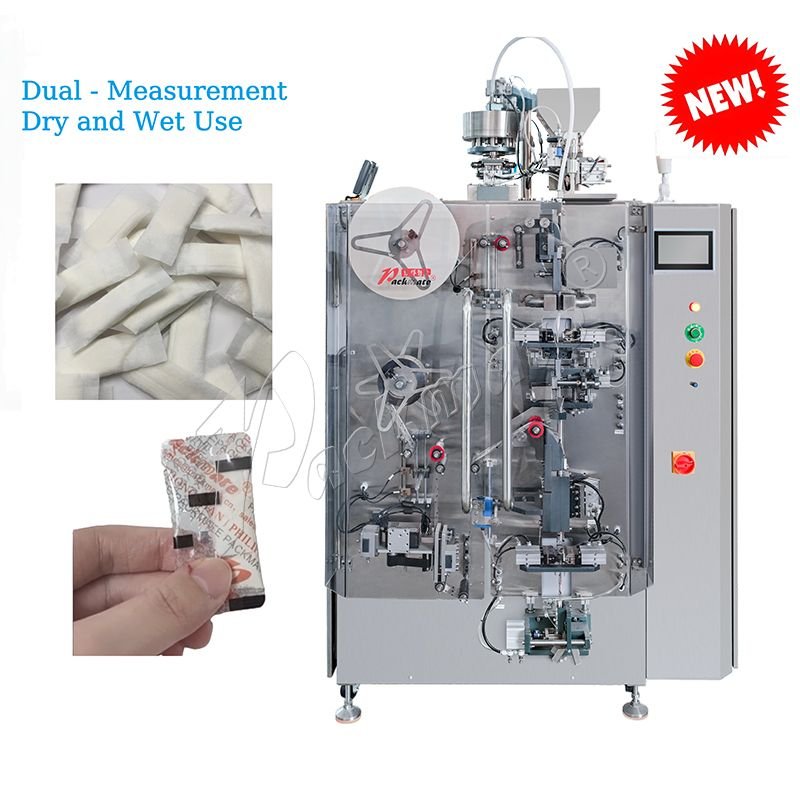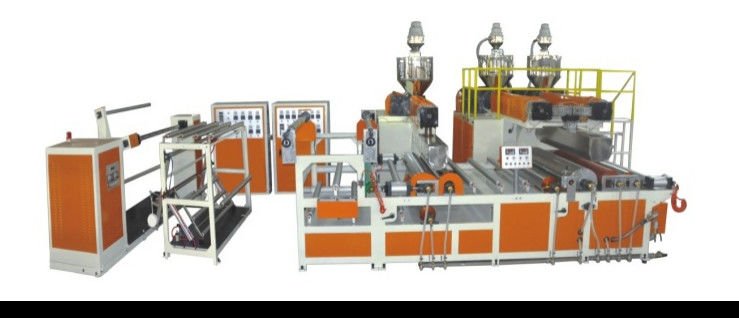
Snus packaging plays a decisive role in preserving product freshness, flavor stability, moisture balance, and consumer safety. In a market where users expect every portion to deliver a clean, consistent experience, the packaging system is no longer just a container—it is a technical barrier that protects product quality from oxygen, humidity, light, contamination, and mechanical damage. For manufacturers, choosing the right packaging machinery and packaging process can directly influence shelf life, brand reputation, compliance performance, and production efficiency.

Modern snus packaging technology combines material science, sealing precision, automation, hygiene control, and intelligent inspection. Whether the goal is to protect loose snus, pouch snus, or nicotine pouch products, manufacturers need packaging solutions that support freshness retention while also meeting high-output commercial demands. In advanced production environments, this means selecting machinery that operates with excellent consistency, integrates with strict quality control, and aligns with EU and GMP-oriented production standards.
As consumer expectations continue to rise, packaging systems must perform on multiple levels: they must preserve aroma, prevent leakage, ensure seal integrity, reduce waste, support traceability, and maintain a premium shelf appearance. Companies investing in technically advanced systems often gain a stronger competitive position because they can deliver reliable products to global markets with fewer quality fluctuations and lower operational risk.
Why Snus Packaging Technology Matters More Than Ever
Key point: Packaging is the first protective system for freshness and the last quality checkpoint before the product reaches the consumer.
Snus and similar moisture-sensitive oral products are highly vulnerable to environmental exposure. Even short-term contact with air can alter product condition. Oxygen ingress may affect flavor compounds, while inconsistent humidity can lead to texture changes and reduced user satisfaction. If the package does not close tightly or if the sealing process is unstable, the product can lose its intended balance before it is ever opened.
Advanced packaging technology helps manufacturers address these risks in a systematic way. Instead of relying only on packaging materials, modern systems use precise dosing, controlled filling, accurate lid placement, dependable sealing, and inspection technologies to create a complete protection chain. This is especially important for large-scale production lines where minor inconsistencies can quickly multiply into major losses.
In practical terms, strong packaging technology supports:
- Longer shelf life through better barrier performance and seal reliability
- Safer product handling with hygienic, GMP-aligned production conditions
- Brand consistency by reducing leakage, deformation, and filling errors
- Higher efficiency with automated processes and reduced manual intervention
- Better global compliance when equipment is built to recognized technical standards
The Core Threats to Snus Freshness
To understand packaging technology, it helps to first identify what the package is defending against. Snus freshness is not determined by one factor alone. It depends on the interaction between product formulation, moisture level, material compatibility, and storage conditions.
⚠ Oxygen exposure: Can accelerate flavor degradation and reduce sensory quality.
⚠ Moisture loss or gain: Changes texture, mouthfeel, and overall product stability.
⚠ Poor sealing: Leads to leakage, contamination risk, and shortened shelf life.
⚠ Light and heat: May negatively affect sensitive ingredients over time.
⚠ Mechanical stress: Can deform cans or compromise closure integrity during transport.
A high-performance packaging line is designed to minimize each of these threats. This requires more than speed. It requires engineering precision, process repeatability, and stable machine performance across long production cycles.
Essential Packaging Features for Safer Freshness
1. High-Barrier Packaging Compatibility
The first layer of protection comes from the packaging material itself. Snus packaging often uses rigid containers, composite lids, films, or liners that help reduce oxygen and moisture exchange. However, even the best material can fail if the packaging equipment does not handle it correctly. Machines must support precise forming, accurate feeding, and repeatable sealing pressure so the material barrier performs as intended.
2. Precision Filling and Portion Control
Uniform filling is essential for product quality and package integrity. Overfilling may interfere with proper closure, while underfilling affects presentation and consumer trust. For loose snus or pouch products, precision dosing helps maintain a stable internal environment and supports consistent shelf performance. Intelligent filling systems reduce variation and improve overall production control.
3. Reliable Sealing Technology
Sealing is the most critical packaging step for freshness retention. A strong seal must resist transport stress, temperature fluctuation, and handling pressure. At the same time, it must be produced quickly and consistently at industrial scale. Heat sealing, pressure-assisted sealing, and closure-fitting systems must all be calibrated carefully to ensure a complete seal without damaging the packaging material.
✔ Best practice: Stable sealing temperature, dwell time, and pressure settings are essential for maintaining both freshness and pack appearance.
4. Hygienic Equipment Design
Snus production environments require controlled hygiene to reduce contamination risk. Equipment with easy-to-clean surfaces, well-designed product-contact areas, and reduced dust accumulation points helps maintain cleaner production. Manufacturers serving regulated healthcare, food, or nicotine-related sectors often prioritize systems aligned with stringent manufacturing expectations. This is one reason many buyers look for suppliers with strong engineering and GMP-compatible production experience.
5. Integrated Inspection Systems
Inspection technologies improve packaging reliability by identifying issues before products leave the factory. Vision systems, weight checking, seal verification, and rejection mechanisms help remove defective packs from the line. These systems not only protect consumers but also lower return rates and preserve brand credibility.
How Packaging Machinery Supports Longer Shelf Life
Longer shelf life is the result of a stable packaging process, not just a shelf-life claim printed on a label. The packaging line must perform consistently over time, under real production loads, and across variable operating conditions. This is where advanced packaging machinery becomes a major strategic asset.
Well-designed machines support longer shelf life in several ways:
- They reduce packaging defects through accurate motion control
- They support repeatable sealing quality from batch to batch
- They allow better synchronization between filling, closing, and inspection
- They limit contamination risk by reducing unnecessary manual contact
- They improve line stability, which helps maintain consistent pack performance
Manufacturers that depend on outdated or poorly calibrated equipment often face hidden freshness losses. These may appear as minor seal failures, package deformation, closure inconsistency, or variable fill weights. Over time, such issues can lead to shortened shelf life, waste, customer complaints, and regulatory concerns.
The Value of Intelligent Automation in Snus Packaging
Automation is no longer only about labor savings. In snus packaging, intelligent automation improves product protection by making each packaging step more repeatable and measurable. Servo-driven systems, touchscreen controls, digital parameter management, and automatic alarm functions allow operators to maintain stricter process control.
◆ Intelligent packaging benefits include:
• Faster changeovers between formats or pack specifications
• More stable production speed with fewer unplanned interruptions
• Better process traceability for quality documentation
• Easier fault detection and maintenance planning
• Improved consistency in sealing, filling, and pack handling
For growing brands, intelligent automation also creates scale readiness. As order volumes increase and distribution expands into international markets, packaging quality must remain stable. Automation helps maintain performance without sacrificing freshness protection.
Choosing the Right Equipment Partner
Packaging success depends not only on the machine itself but also on the manufacturer behind it. A capable equipment partner should have strong technical development, precision manufacturing ability, and a proven understanding of regulated production environments. Buyers often look for companies with long-term industry experience, patent-backed innovation, and internationally recognized certification.
Packmate (GuangDong) Co., Ltd. is an example of a manufacturer positioned around these strengths. The company focuses on intelligent packaging equipment for pharmaceutical, healthcare, and food-related industries, with machine designs aligned with EU and GMP expectations. With more than 22 years of company development, over 125 professional team members, a 20,000㎡ manufacturing facility, and 100+ units of advanced production equipment, the company represents the kind of engineering-based supplier that many high-standard packaging projects require.
Its long technical history, including roots in packaging machine development dating back to 1993, supports a strong foundation in precision manufacturing and continuous R&D. With 30+ patents and a quality-oriented approach from component processing to final assembly and testing, such capabilities are highly relevant for brands that need reliable, future-ready snus packaging solutions.
📌 What to check in an equipment supplier: engineering depth, certification level, production capacity, after-sales response, customization ability, and long-term process reliability.
Material Handling, Sealing Control, and Production Stability
In snus packaging, machine stability often determines whether a theoretical shelf-life target can be achieved in actual production. A line may use excellent packaging materials, but if lids are misaligned, containers are scratched, or sealing pressure varies during high-speed operation, freshness protection becomes inconsistent. Therefore, stable material handling is just as important as the sealing station itself.
Precision engineering ensures that containers move through the line without excessive vibration, jamming, or deformation. Accurate indexing, smooth transfer points, and synchronized modules help protect both package shape and closure integrity. This becomes especially important for high-volume production, where tiny deviations can turn into thousands of compromised units over a single shift.
To maintain control, advanced equipment should offer:
- Consistent container feeding and orientation
- Accurate lid or film placement
- Adjustable sealing parameters for different materials
- Real-time monitoring for production anomalies
- Quick maintenance access to minimize downtime
Why GMP-Oriented Design Improves Product Safety
Even when snus packaging is not classified exactly like pharmaceutical packaging, many of the same design principles remain valuable. Clean construction, controlled product pathways, reliable material contact surfaces, and strong quality documentation all help manufacturers deliver safer, more dependable products. This is why equipment built with GMP-oriented logic is often preferred in applications where hygiene, consistency, and traceability matter.
For international businesses, this design philosophy also supports broader market acceptance. Equipment that reflects high manufacturing standards can simplify customer audits, improve buyer confidence, and support premium positioning. Companies exporting to Europe, the Americas, Africa, the Middle East, and Southeast Asia often benefit from working with suppliers that already understand global technical expectations and service requirements.
Balancing Shelf Appeal with Functional Protection
Snus packaging must do more than preserve the product. It must also present the brand clearly and attractively. Consumers notice closure feel, lid alignment, package finish, and cleanliness. Retailers and distributors also evaluate package durability because damaged packaging affects perceived quality and sell-through performance.
The best packaging technology balances visual quality with technical protection. A premium-looking pack should also be structurally sound, leak-resistant, easy to stack, and stable during transport. This combination requires well-designed tooling, controlled handling, and repeatable machine settings.
★ Strong packaging should achieve both:
Functional value — protects freshness, prevents leakage, supports shelf life
Commercial value — improves appearance, brand trust, and market competitiveness
Reducing Waste and Improving Sustainability
Efficiency and sustainability are increasingly linked in modern packaging operations. Defective seals, fill variation, and poor machine calibration all lead to product waste and material loss. By improving process precision, intelligent packaging systems help reduce rejected packs and unnecessary rework. This not only lowers operating costs but also supports more responsible manufacturing.
Manufacturers can improve sustainability by focusing on machine accuracy, maintenance planning, and compatible packaging formats that optimize material use without weakening protection. Durable, well-built equipment also contributes to sustainability through longer service life and more reliable performance.
Future Trends in Snus Packaging Technology
The future of snus packaging will likely be shaped by smarter controls, stronger traceability, improved hygienic design, and better adaptation to sustainable materials. As packaging formats evolve, machine flexibility will become even more important. Producers will need systems that can adapt to different pack sizes, closure designs, and material structures without losing speed or accuracy.
At the same time, data-driven quality control will continue to expand. More packaging lines will use digital monitoring to track seal performance, reject patterns, and maintenance needs. This allows manufacturers to identify quality risks earlier and take corrective action before freshness is affected.
Companies with a strong engineering partner and scalable equipment platform will be better prepared for these changes. In this environment, the right packaging machinery supplier is not just a vendor—it is a long-term contributor to product stability, safety, and growth.
Conclusion
Snus packaging technology is a critical factor in delivering safer freshness and longer shelf life. Effective packaging depends on the integration of barrier materials, accurate filling, stable sealing, hygienic construction, and intelligent inspection. When these elements work together under a reliable automated system, manufacturers can better protect product quality, reduce defects, improve efficiency, and strengthen brand trust.
For businesses seeking dependable long-term results, investing in advanced packaging systems is not simply a production upgrade—it is a quality strategy. Suppliers with strong technical foundations, precision manufacturing capabilities, and internationally aligned standards offer a clear advantage in building packaging lines that are efficient, stable, and ready for future market demands. More information about advanced equipment solutions can be found at Packmate Machinery.
Frequently Asked Questions
1. What is the most important factor in maintaining snus freshness?
The most important factor is a reliable package seal combined with suitable barrier materials. If the package allows oxygen or moisture exchange, freshness can decline quickly even if the product itself is well formulated.
2. How does packaging machinery affect shelf life?
Packaging machinery affects shelf life by controlling fill accuracy, lid placement, sealing quality, and overall process consistency. Stable equipment reduces defects that may shorten the product’s usable life.
3. Why is GMP-oriented equipment useful for snus packaging?
GMP-oriented equipment supports hygienic production, easier cleaning, controlled processes, and better traceability. These features help improve product safety and manufacturing reliability.
4. Can automated inspection really improve packaging quality?
Yes. Automated inspection systems can detect seal issues, weight deviations, missing components, and visual defects faster and more consistently than manual checks alone.
5. What should manufacturers look for in a snus packaging equipment supplier?
Manufacturers should evaluate engineering experience, machine stability, quality control standards, certification, global service capability, and the supplier’s ability to support long-term production goals.