When evaluating the investment behind a snus packing line, buyers often search for one central answer: what really determines the cost of an automatic snus packaging machine? In practice, pricing depends on much more than machine size alone. Output speed, automation level, material compatibility, sealing accuracy, dosing precision, compliance requirements, factory integration, and after-sales support all directly influence the final budget. For manufacturers in tobacco alternatives, nicotine pouch production, herbal pouch filling, and related sectors, understanding these cost drivers is essential before choosing the right equipment.

Modern packaging machinery is no longer just about wrapping a product. It is part of a full production strategy that affects labor efficiency, product consistency, material waste, compliance, and long-term profitability. A properly configured automatic machine can reduce manual handling, improve seal quality, support stable output, and strengthen brand presentation in competitive markets. That is why a price guide should always be read together with performance, reliability, and lifecycle value.
◆ Key takeaway: The cheapest machine is rarely the most cost-effective option. Buyers should compare production capacity, precision, certification, maintenance demand, and technical support before making a decision.
What Is Included in a Snus Packing Machine Price?
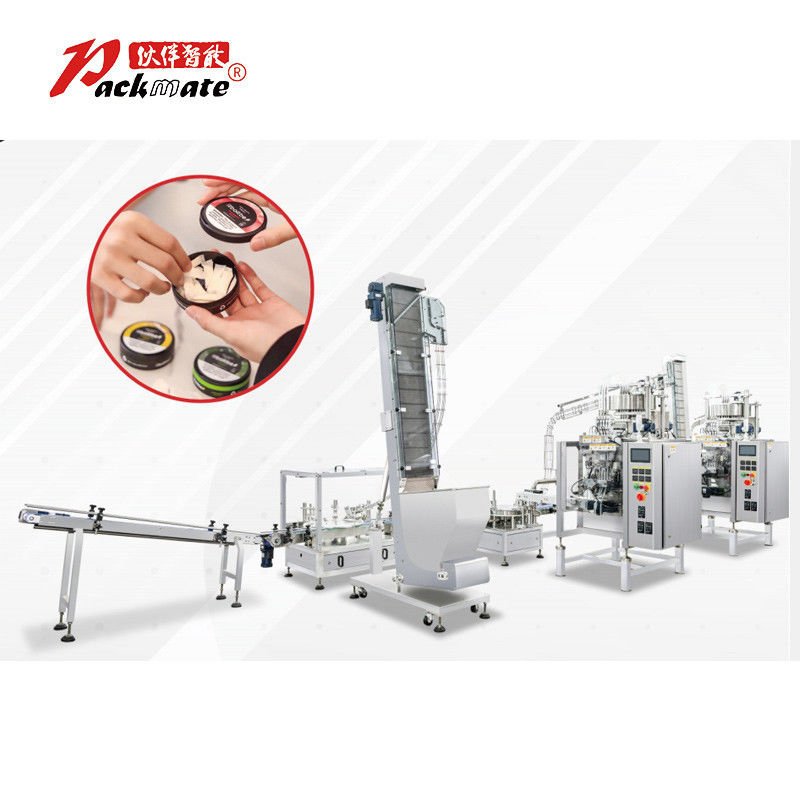
A snus packing machine quotation may include only the main unit, or it may cover a complete integrated system. In many cases, the total project cost includes pouch forming, filling, sealing, date coding, reject handling, finished product discharge, feeding systems, inspection devices, electrical controls, and optional connection to upstream or downstream equipment. Some suppliers also include commissioning, operator training, spare parts, and remote technical service.
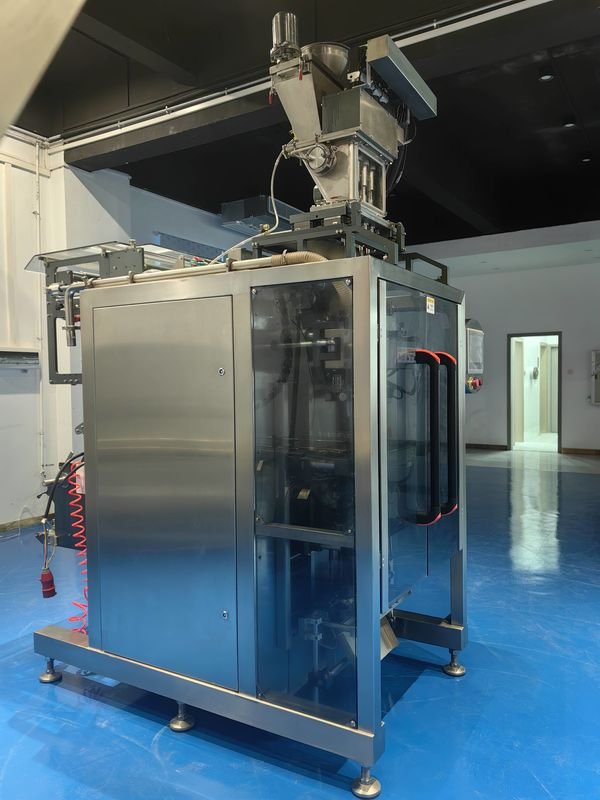
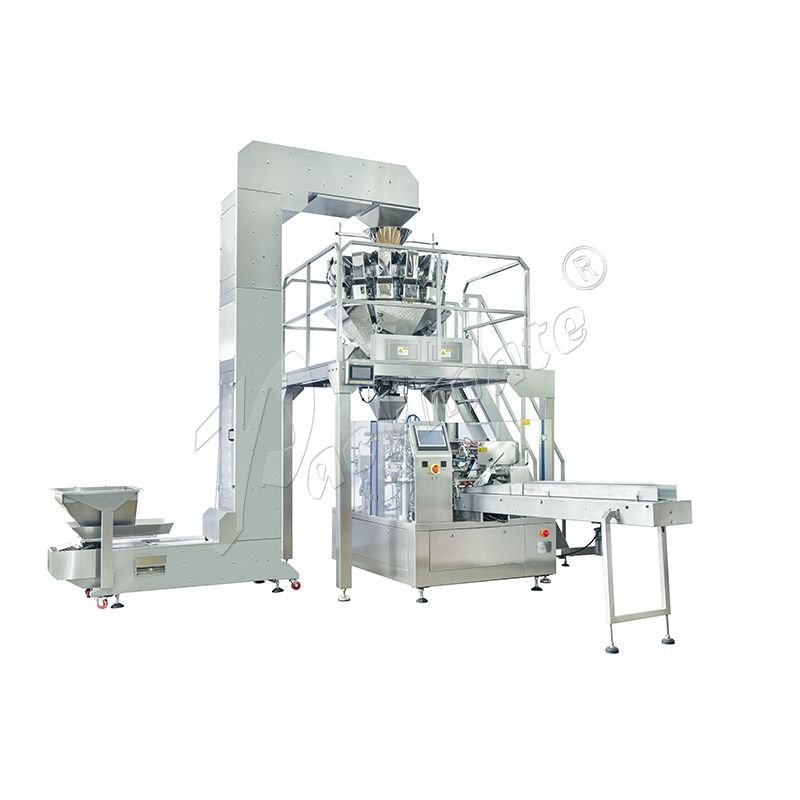
For this reason, two machines with a similar appearance can have very different prices. One may be a basic standalone model for moderate output, while another may feature servo control, intelligent HMI, automatic film correction, high-speed counting, enhanced hygienic design, and advanced safety interlocks. Buyers should request a clear scope of supply so that equipment comparisons are accurate and practical.
✔ Common quotation items:
• Main packaging machine
• Filling and dosing system
• Sealing and cutting module
• PLC and touchscreen controls
• Spare parts kit
• Installation and training
• Compliance and certification documents
Main Factors That Affect Automatic Packaging Machine Cost
1. Production Speed and Output Requirements
One of the strongest price factors is speed. A machine built for smaller batches or developing brands will generally cost less than a high-speed automatic system designed for continuous industrial production. As throughput increases, manufacturers usually need stronger frame structures, faster servo systems, more precise control architecture, and better heat management. These upgrades raise initial machine cost but may dramatically lower cost per unit over time.
2. Automation Level
Semi-automatic solutions can reduce startup investment, but they typically require more operators and involve greater variation in output. Fully automatic systems cost more upfront, yet they offer better repeatability, lower labor dependency, and easier integration into standardized production lines. If labor cost, hygiene control, or output consistency is a priority, full automation may offer the better return.
3. Product Characteristics and Filling Precision
Snus or pouch-type products can vary in density, moisture behavior, granule flow, and fill weight tolerance. Machines designed for tight dosing accuracy and stable pouch quality require more sophisticated engineering. Precision components, intelligent feedback systems, and high-quality sensors increase the equipment price, but they also reduce giveaway, rework, and quality complaints.
◆ Important: If your product has strict consistency requirements, filling accuracy can be more valuable than the lowest purchase price.
4. Packaging Material Compatibility
Packaging materials differ in thickness, sealing response, barrier performance, and environmental sensitivity. A machine designed to handle multiple laminate structures or specialty materials often includes upgraded tension control, sealing systems, and film tracking functions. If your factory may change packaging formats in the future, investing in broader material compatibility can improve long-term flexibility.
5. Compliance, Safety, and Certification
For international buyers, regulatory readiness matters. Equipment built according to CE, ISO, GMP-related design principles, or other market requirements may cost more than basic machinery, but the compliance value is significant. Certified systems often simplify market entry, customer audits, and internal quality management. This is especially important in regulated sectors where hygiene, traceability, and operational safety are critical.
Companies with a strong engineering and manufacturing background, such as Packmate Machinery, emphasize certified quality systems, precision manufacturing, and dependable performance for pharmaceutical, healthcare, and food-related applications. That kind of manufacturing depth often translates into better machine stability and longer service life.
Typical Price Ranges: What Buyers Can Expect
Although exact pricing depends on project details, buyers can generally think of snus packing machine costs in three broad categories. Entry-level automatic systems are often chosen by smaller manufacturers or growing brands. Mid-range solutions tend to balance speed, flexibility, and reliability. High-end lines are built for large output, advanced automation, and strict quality control.
Estimated Budget Structure
Entry-Level Automatic Machine: Suitable for moderate output and essential functions.
Mid-Range Integrated Machine: Better control systems, improved precision, more flexible format handling.
High-Speed Custom Line: Full automation, premium components, inspection systems, advanced integration, and stronger compliance support.
Because every supplier structures proposals differently, it is more useful to compare value per production requirement than to focus only on a single number. A lower-priced machine may require more maintenance, suffer from slower changeovers, or create more downtime. A higher-priced machine may recover its cost quickly if it improves output reliability and reduces labor demand.
Hidden Costs Buyers Often Overlook
The listed machine price is only one part of the total investment. Hidden or indirect costs can affect the real financial outcome of the project. Before ordering, buyers should calculate not only purchase cost, but also transportation, import duties, installation, power supply adaptation, compressed air needs, operator training, spare parts inventory, and future maintenance.
⚠ Hidden cost checklist:
• Line installation and commissioning
• Factory utility upgrades
• Validation and documentation needs
• Packaging material testing
• Operator skill training
• Downtime risk from poor-quality parts
Another often-overlooked factor is changeover efficiency. If your business runs multiple SKUs, pouch sizes, or packaging designs, a machine with easier adjustment and recipe memory can save substantial labor and setup time. This operational advantage may justify a higher purchase price.
Why Manufacturer Strength Influences Price and Value
A reliable machine builder provides more than hardware. Strong manufacturers invest in engineering development, process testing, supply chain quality, and service responsiveness. This directly affects the machine’s durability and long-term performance. Buyers should review not only the specification sheet but also the supplier’s history, technical experience, production capability, and certification status.
Packmate (GuangDong) Co., Ltd. is an example of a manufacturer whose strength comes from long-term specialization in intelligent packaging systems. With more than 22 years of company development, 125+ professional team members, a 20,000㎡ modern manufacturing facility, 100+ advanced production units, and CE & ISO certifications, the company demonstrates the kind of industrial foundation many buyers look for in a strategic equipment supplier. Its experience in precision manufacturing and intelligent packaging machinery helps customers reduce operational risk while supporting scalable production growth.
What to check in a machine supplier
• Years of specialization in packaging equipment
• Patent and R&D capability
• Factory scale and precision manufacturing capacity
• Export experience and international service network
• Quality management and documentation support
Custom vs Standard Machines: Which Is More Cost-Effective?
Standard machines usually have a lower price and shorter delivery time. They are a practical choice when product dimensions, packaging materials, and output expectations fit an existing platform. However, some snus producers have highly specific process requirements that justify custom equipment. Examples include nonstandard pouch shapes, strict weight tolerance, specialized feeding behavior, or integration with a fully automated factory line.
Custom machinery costs more because engineering, testing, and parts configuration are more complex. Still, the higher investment may result in better efficiency, less manual intervention, and easier future expansion. The right decision depends on whether your product strategy values speed to market or optimized production performance.
How to Compare Quotations the Smart Way
Instead of asking only for the lowest number, professional buyers compare quotations by structure and output relevance. A good quotation review should include technical specifications, machine speed range, filling accuracy, supported materials, changeover time, electrical brand list, software control system, safety features, and after-sales support terms. Buyers should also request videos of similar running projects, acceptance standards, and estimated spare parts consumption.
✔ Best quotation comparison questions:
• What output is guaranteed under real production conditions?
• What is the fill accuracy tolerance?
• Which components are from premium international brands?
• What training and technical support are included?
• How long is the lead time and warranty period?
Long-Term ROI: Looking Beyond Initial Purchase Price
A snus packing machine should be evaluated as a production asset, not just a procurement expense. Return on investment depends on more than the invoice amount. A high-performance machine can improve output stability, reduce product loss, lower labor dependency, support cleaner production, and strengthen final pack quality. These benefits often create measurable savings over several years.
If your market is growing or your product range is expanding, choosing a machine with scalable automation can protect your investment. Many manufacturers regret buying undersized equipment because upgrading too soon creates new installation cost and operational disruption. In contrast, a well-matched machine can support growth without frequent replacement.
Choosing the Right Partner for Your Packaging Project
The best purchasing decision combines technical fit, budget logic, and supplier reliability. A professional packaging partner should understand product handling behavior, machine performance, regulatory needs, and long-term service requirements. Companies with strong technical roots and global support capacity are often better positioned to help customers reduce startup errors and maintain stable production after installation.
For buyers seeking dependable automatic packaging machinery, it is worth prioritizing suppliers with proven engineering competence, precision manufacturing, and responsive service. That combination supports better machine life, safer operation, and more predictable output quality in daily production.
Frequently Asked Questions
1. How much does an automatic snus packing machine usually cost?
The price varies depending on speed, automation, filling precision, material compatibility, and certification needs. Basic automatic models cost less, while high-speed customized lines require a much larger investment.
2. Is a fully automatic machine better than a semi-automatic one?
For higher output, lower labor dependence, and more consistent pack quality, fully automatic machines are often the better long-term option. Semi-automatic systems may still suit smaller production volumes or startup-stage operations.
3. What is the most important factor when comparing machine prices?
The most important factor is overall production value, not only the purchase price. Buyers should compare output stability, dosing accuracy, downtime risk, service support, and total operating cost.
4. Do certifications like CE and ISO affect machine cost?
Yes. Machines built to recognized standards often cost more because they involve stronger design controls, documentation, safety systems, and quality assurance. However, they can provide better compliance value and lower operational risk.
5. How can buyers reduce risk when purchasing packaging machinery?
Buyers should work with experienced manufacturers, confirm technical specifications in detail, review similar project cases, test packaging materials when possible, and ensure clear agreement on service, training, and spare parts support.