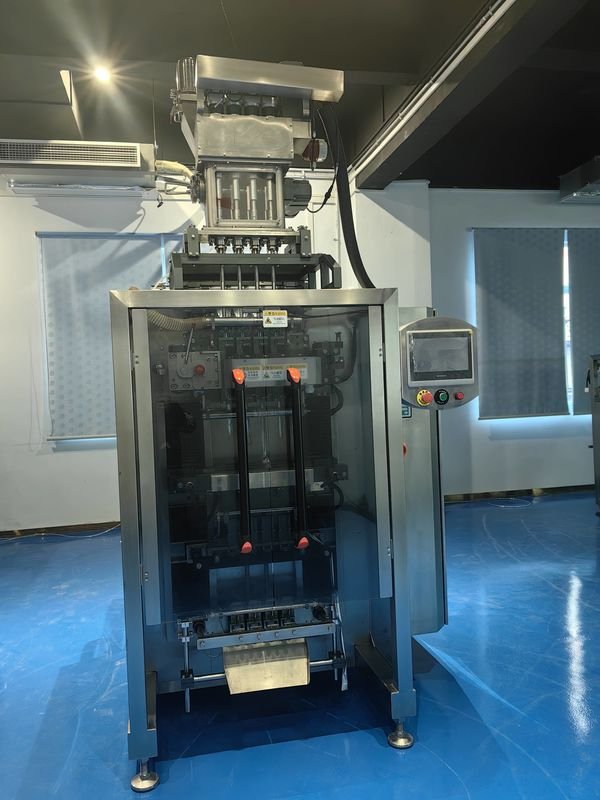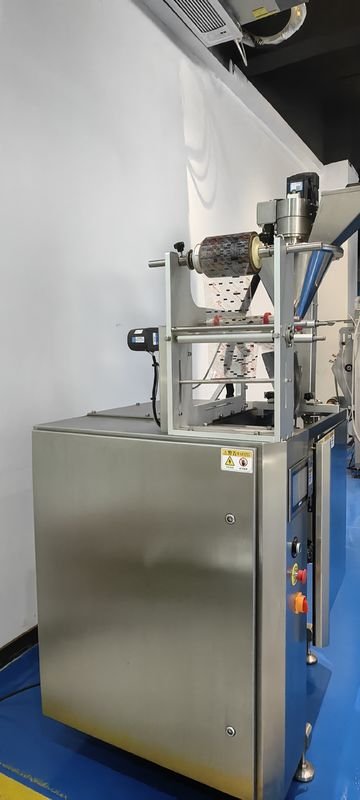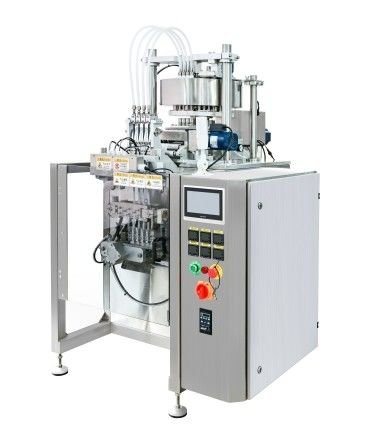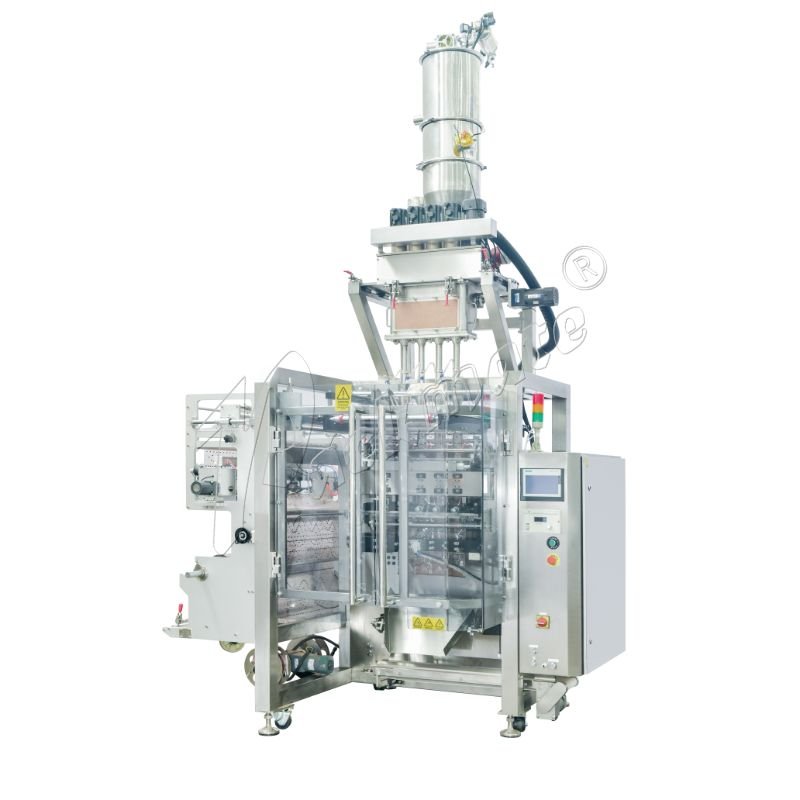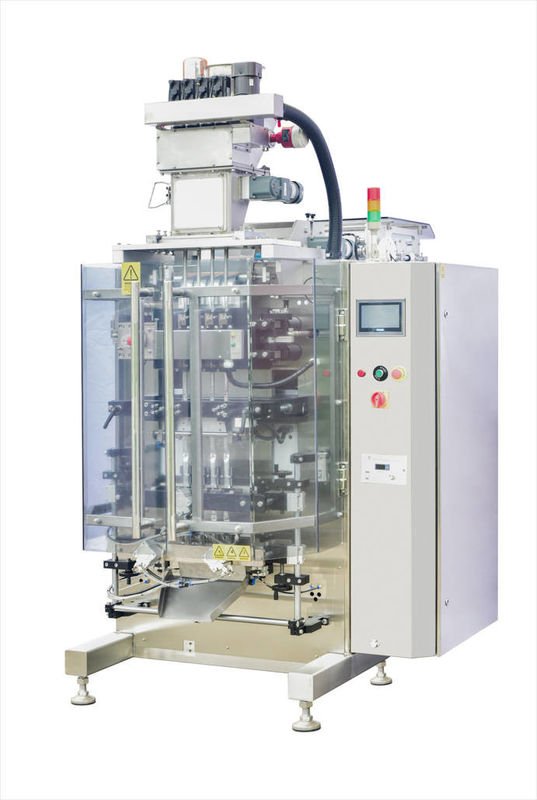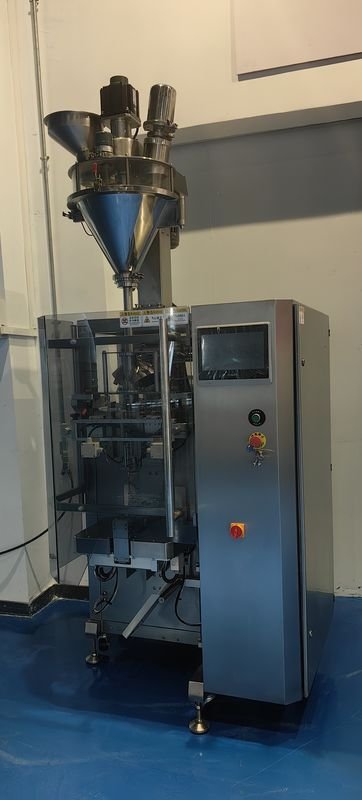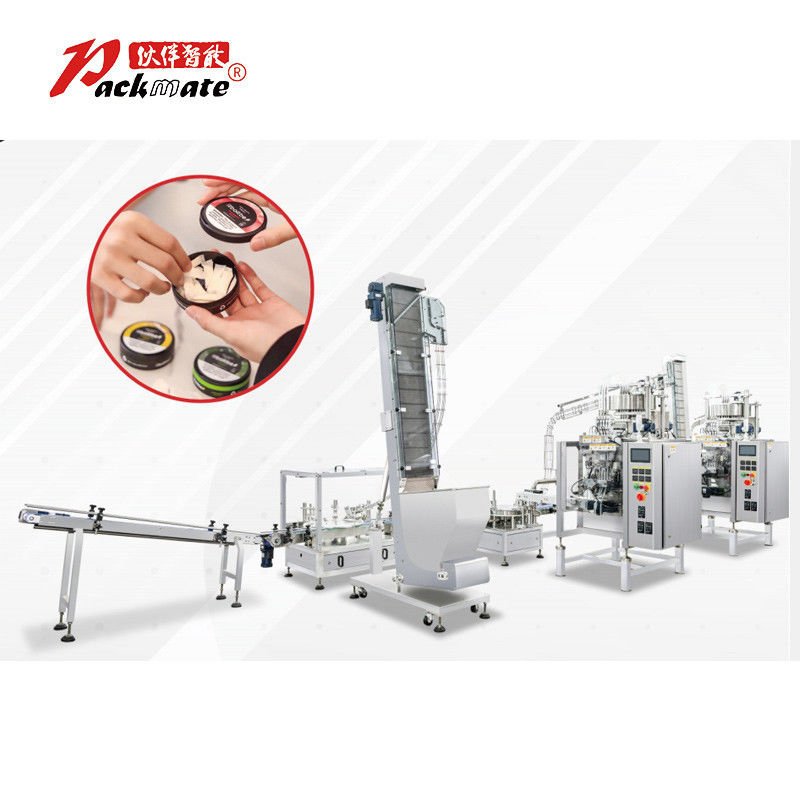
When buyers search for a realistic snus packing machine price guide, they usually want more than a simple number. The real cost depends on machine type, output speed, packaging format, automation level, compliance standards, spare parts, and long-term service support. For manufacturers in the tobacco alternative, oral pouch, healthcare, and related consumer goods sectors, choosing the right equipment is a strategic decision that affects efficiency, product consistency, labor costs, and future expansion. A well-selected machine can improve productivity, reduce waste, and create a more stable packaging process for years.
In today’s competitive market, snus and pouch packaging lines are expected to deliver precision, hygiene, speed, and reliable sealing performance. Buyers also increasingly focus on whether the supplier can provide technical support, customized solutions, CE and ISO compliance, and dependable after-sales service. This is why comparing machine price alone is not enough. A lower initial quote may lead to higher maintenance costs, unstable output, or poor compatibility with future production needs, while a slightly higher investment can deliver better long-term return.
For companies evaluating suppliers of packaging machinery, it is useful to review not only the machine itself but also the engineering background of the manufacturer, production capabilities, certifications, and export experience. Packmate (GuangDong) Co., Ltd., for example, is a high-tech manufacturer focused on intelligent packaging equipment, with 22+ years of company development, a 20,000㎡ modern manufacturing facility, 125+ professional team members, 100+ units of advanced production equipment, and international certifications including CE and ISO. These strengths matter because they influence machine quality, delivery reliability, and technical support capacity.
◆ Key Buying Insight: The best snus packing machine deal is not always the cheapest quote. The smartest purchase balances price, speed, compliance, durability, and service response.
What Determines the Price of a Snus Packing Machine?
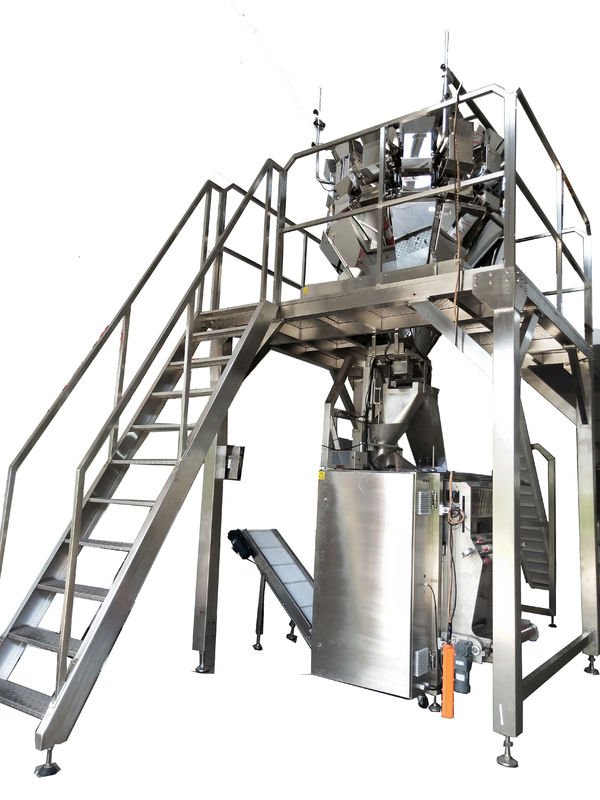
The price of a snus packing machine can vary widely because different production lines are built for different output targets and packaging demands. A compact semi-automatic unit for small-batch production costs far less than a fully automated line integrated with feeding, filling, sealing, counting, cartoning, coding, and inspection systems. The more complex the workflow, the higher the investment. Buyers should define their target packaging style and output before requesting quotations.
One of the biggest pricing factors is automation level. Semi-automatic machines usually require more manual labor but offer lower upfront cost, making them suitable for start-ups or companies testing a market. Fully automatic systems reduce labor dependency, increase consistency, and improve speed, but they require a larger capital budget. If your production volume is high, a fully automated line often becomes more economical over time despite the higher purchase price.
Another major factor is machine speed. Entry-level equipment may support modest production capacity, while advanced systems are designed for high-speed, continuous operation. High-speed machines require stronger drive systems, more precise control, better sensors, and more stable components. This translates into higher equipment cost but also higher throughput and lower unit packaging cost.
In addition, the material and build quality significantly affect pricing. Machines manufactured to meet EU and GMP standards typically use higher-grade stainless steel, improved surface treatment, safety protections, and precision-machined parts. These details are especially important for products packaged in hygiene-sensitive environments. They may raise the initial price, but they improve safety, durability, and operational stability.
Typical Price Range: Budget, Mid-Range, and High-End Options
Although prices differ by supplier and machine configuration, buyers can generally categorize snus packing machines into three broad investment levels. The first is the budget level, often suitable for pilot production or smaller businesses. These machines usually have basic automation, limited speed, and fewer customization options. They can help a company enter the market quickly, but may require upgrades as production grows.
The second category is the mid-range level. This is often the most attractive segment for companies seeking a balance between price and performance. Mid-range systems commonly include better sealing stability, more accurate controls, easier changeover, and compatibility with multiple pouch or packaging specifications. For many growing manufacturers, this tier offers the best return on investment.
The third category is the high-end fully integrated line. These systems are built for large-scale output, consistent quality, low downtime, and advanced functionality such as servo control, automatic fault monitoring, integrated coding, rejection systems, and smart interfaces. The initial cost is higher, but they are often the preferred choice for mature brands and contract manufacturers that prioritize speed, compliance, and long-term efficiency.
● In general, machine price is influenced by:
• Production speed and output target
• Packaging format and product size range
• Semi-automatic or fully automatic operation
• Material quality and compliance level
• Customization, tooling, and optional modules
• Installation, training, and after-sales support
Essential Features That Influence Value
When comparing quotations, buyers should pay close attention to the machine’s feature set. A lower-priced unit may appear attractive at first, but if it lacks the functions necessary for reliable daily operation, the real cost can become much higher. Some of the most important features include accurate dosing, stable sealing, easy cleaning, operator-friendly controls, and low maintenance requirements.
Precision control systems are especially important in snus and pouch packaging applications. Consistent filling and sealing help maintain product appearance, weight accuracy, and shelf presentation. Machines with high-quality sensors and stable servo systems usually provide better repeatability and fewer packaging defects.
Hygienic design is another valuable feature. Equipment used in pharmaceutical, healthcare, or food-related packaging environments should be easy to clean and built from durable materials. This is one reason many professional buyers prefer manufacturers whose machines comply with EU and GMP standards. Compliance often reflects stronger quality control and more thoughtful engineering.
Modern users also increasingly demand smart operation interfaces. Touchscreen control panels, recipe storage, alarm display, fault diagnosis, and production data monitoring can all improve efficiency. These functions save time during setup and troubleshooting, especially in high-output environments where downtime is expensive.
Why Engineering Experience Matters
Price should always be considered alongside the technical strength of the supplier. Packmate Machinery, for instance, has focused on the packaging equipment industry for more than 30 years since developing its first packaging machine in 1993. With 30+ patents and continuous R&D investment, the company demonstrates a strong technical foundation that can directly benefit machine performance and reliability.
Engineering-driven manufacturers are better prepared to deliver stable performance, precise control, and optimized production efficiency. They are also usually more capable of handling special requests, such as customized bag sizes, packaging materials, specific line integration requirements, or region-specific electrical configurations. For buyers who want long-term scalability, this kind of technical capability is highly valuable.
★ Value Tip: A machine built by a supplier with deep engineering experience often delivers lower lifetime cost through reduced downtime, better part compatibility, and more effective technical support.
Customization and Hidden Costs Buyers Should Not Ignore
Many buyers ask for a quote and compare only the equipment price, but there are several hidden or secondary costs that should be included in the evaluation. These may include tooling for different pouch sizes, voltage customization, air compressor requirements, spare parts kits, shipping fees, installation service, operator training, software upgrades, and maintenance support. If these items are not clarified in advance, the actual investment may be much higher than expected.
Customization can significantly affect both lead time and price. If your product requires special pouch dimensions, unique material handling, integrated coding, check weighing, or downstream cartoning, the machine design may need to be adapted. This is not necessarily a disadvantage. In fact, tailored packaging solutions often deliver better efficiency and product consistency. The key is to confirm what is included in the proposal and what is optional.
Another overlooked factor is future expandability. A machine that only meets current production volume may become restrictive within one or two years. Buyers should ask whether the system can be upgraded, integrated with other modules, or adapted for new products. This is especially important for companies in fast-growing markets.
How to Find the Best Deals Without Sacrificing Quality
The best deal comes from evaluating total value rather than chasing the lowest quote. Start by comparing multiple suppliers, but make sure the quotations are based on the same technical requirements. Ask for detailed specifications, machine output range, material compatibility, power consumption, floor space, training scope, warranty terms, and spare parts recommendations. This creates a fair comparison and reduces the risk of misunderstanding.
It is also wise to review the supplier’s manufacturing strength. Packmate’s 20,000㎡ modern manufacturing facility and 100+ units of advanced production equipment indicate strong production capacity and process control. Manufacturers with modern facilities and structured quality control are often better positioned to maintain consistency from component processing to final assembly and testing.
Certifications are another useful indicator. CE and ISO certification reflect a supplier’s commitment to quality systems and international standards. For buyers selling into regulated or quality-sensitive markets, certified equipment can reduce compliance risks and support smoother market entry.
If possible, ask for videos of machine operation, sample packaging results, customer references, and trial testing data. A trustworthy supplier should be able to demonstrate actual performance rather than relying only on catalog descriptions. You can also learn more about global packaging equipment capabilities by visiting the company’s official website and reviewing its manufacturing profile.
✔ Smart Deal Checklist
• Confirm exact machine scope and optional items
• Check certifications and quality standards
• Review production speed under real conditions
• Evaluate service response and spare parts support
• Compare long-term operating cost, not just purchase price
Why Global Service and After-Sales Support Matter
For industrial equipment, after-sales support is part of the machine’s real value. A snus packing machine that performs well during factory testing but lacks responsive service can quickly become a liability. Buyers should ask whether the supplier offers remote support, spare parts inventory, commissioning guidance, operator training, and troubleshooting assistance. The speed and professionalism of support can have a direct impact on uptime and production continuity.
Packmate benefits from its location in the Guangdong-Hong Kong-Macao Greater Bay Area, a region known for its strong industrial ecosystem and convenient logistics. This helps support international shipping and efficient supply chain coordination. The company exports to Europe, the Americas, Africa, the Middle East, and Southeast Asia, with established agency and service networks. For overseas buyers, this kind of global reach is a practical advantage when evaluating machine suppliers.
Reliable support is especially important when equipment is customized or integrated into a larger production line. In these cases, strong communication and technical response are just as important as the machine itself. Buyers seeking a dependable packaging machinery partner can also review broader company information through the Packmate homepage.
Comparing Low-Cost Machines vs Premium Machines
Low-cost snus packing machines may be suitable for very small operations, but they often come with trade-offs such as lower output stability, shorter service life, fewer safety protections, and limited customization. They may also have simpler control systems and less accurate sealing or dosing. For some start-ups, this may be an acceptable entry point, but for established producers, these limitations can quickly affect profitability.
Premium machines, on the other hand, usually offer stronger mechanical design, better component quality, smarter automation, and improved user experience. They are built to reduce downtime and maintain consistent output over longer operating periods. In high-volume production, these advantages can produce significant savings through lower labor cost, less rework, and fewer packaging failures.
The right choice depends on production strategy. If the business plan includes scaling up, entering export markets, or maintaining premium product quality, a more advanced machine may provide better long-term value. Buyers should think in terms of cost per finished package over the machine’s service life, not simply invoice price.
Questions to Ask Before You Buy
Before placing an order, ask the supplier several key questions. What is the actual running speed with your product and material? How long does format changeover take? What spare parts are included? What warranty terms are provided? Can the machine be upgraded later? What are the lead time and installation requirements? Is remote technical support available? These answers help reveal whether a machine is truly suitable for your operation.
It is also smart to ask about manufacturing consistency and quality inspection. Packmate emphasizes strict quality control at every stage, from component processing to final assembly and testing. This is an important indicator because machine reliability depends heavily on disciplined manufacturing processes, not just design claims.
◆ Bottom Line: The most profitable snus packing machine is the one that matches your output goals, compliance requirements, product quality expectations, and service needs while keeping lifetime operating costs under control.
Final Buying Perspective
A practical snus packing machine price guide must consider much more than the initial quotation. True value comes from the balance between machine capability, precision, durability, compliance, support, and scalability. Buyers should compare automation levels, production speed, customization requirements, certifications, and after-sales service before making a decision. This approach helps avoid underperforming equipment and supports long-term production growth.
As the packaging industry continues to move toward intelligent manufacturing, more companies are prioritizing machines that combine speed with control, and efficiency with reliability. Suppliers with strong engineering backgrounds, precision manufacturing capabilities, and international service networks are often the safest choice for businesses that want stable output and lower lifecycle costs. Companies exploring professional packaging machinery solutions should evaluate both machine performance and manufacturer strength in order to secure the best overall deal.
Frequently Asked Questions
1. What is the average price of a snus packing machine?
The average price varies according to automation level, speed, and customization. Small or semi-automatic machines cost less, while fully automatic high-speed lines with advanced functions and compliance features require a larger investment.
2. Is a fully automatic snus packing machine worth the higher cost?
Yes, in many cases it is. A fully automatic machine can reduce labor costs, improve consistency, increase output, and lower long-term unit packaging cost, especially for medium to large production volumes.
3. Which features should I prioritize when comparing suppliers?
You should prioritize filling accuracy, sealing stability, machine durability, compliance standards, ease of cleaning, smart controls, spare parts availability, and after-sales technical support.
4. Are certifications like CE and ISO important?
Yes. CE and ISO certifications can indicate stronger quality management and better compliance with international market expectations, which is especially important for export-oriented businesses.
5. How can I get the best deal without choosing the cheapest machine?
Compare total value instead of upfront price alone. Review machine specifications, service support, customization options, manufacturing strength, and expected lifetime operating cost before making your final decision.