Understanding the Purpose of Automated Packaging in Modern Manufacturing
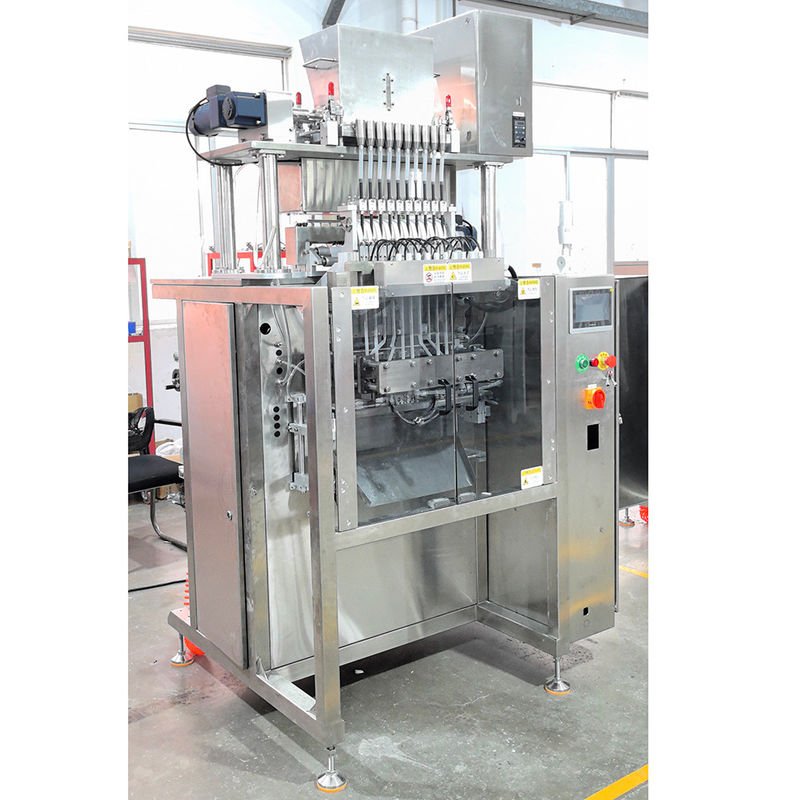
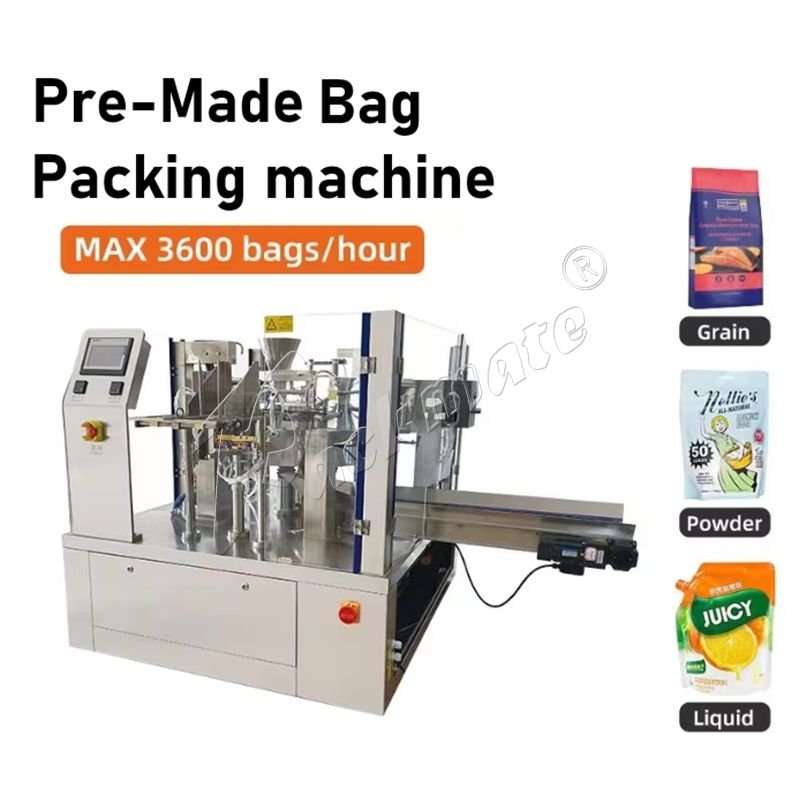
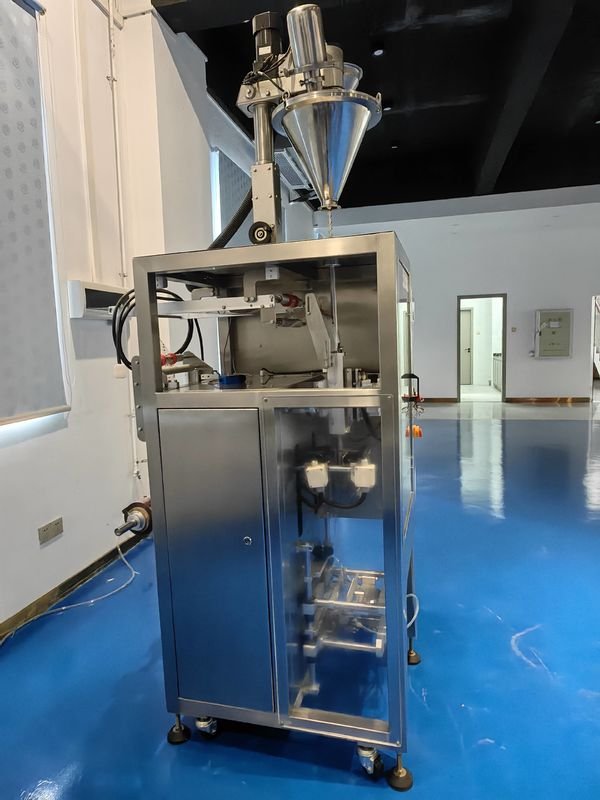
Automated packaging using machines has revolutionized the manufacturing and distribution industries by providing speed, consistency, and reliability that manual processes cannot match. The primary purpose of packaging by machine is to protect products, extend shelf life, enhance presentation, and streamline logistics while reducing labor costs and human error. Modern packaging machines are designed with various dependencies including integration with production lines, material handling systems, quality control mechanisms, and data management platforms.
Why Businesses Rely on Machine-Based Packaging
The shift from manual to automated packaging stems from multiple operational and strategic advantages:
- Increased production speed to meet high consumer demand.
- Consistent package quality ensuring brand integrity.
- Reduced contamination risks through hygienic automated processes.
- Lower labor costs and minimized workplace injuries.
- Enhanced traceability and compliance with regulatory standards.
- Flexibility to adapt to different product sizes and packaging formats.
Machine-based packaging is essential for businesses aiming to scale operations while maintaining quality and efficiency.

Core Purposes of Packaging Machines in Production Systems
1. Product Protection and Preservation
One of the fundamental purposes of packaging machines is to safeguard products from physical damage, contamination, moisture, and environmental factors. Machines achieve this through:
- Airtight sealing that prevents oxidation and spoilage.
- Cushioning and structural support to avoid breakage during transit.
- Barrier materials that block light, moisture, and gases.
- Tamper-evident features ensuring product integrity.
2. Efficiency and Speed in Production
Packaging machines dramatically increase throughput compared to manual methods. Automated systems can package hundreds or thousands of units per hour with precision, enabling manufacturers to:
- Meet tight delivery schedules and market demands.
- Reduce bottlenecks in production workflows.
- Optimize labor allocation to higher-value tasks.
3. Consistency and Quality Control
Machines deliver uniform packaging results, ensuring every product meets the same standards. This consistency is vital for:
- Brand reputation and customer satisfaction.
- Compliance with industry regulations and certifications.
- Reducing product returns and waste.
4. Cost Reduction and ROI
While the initial investment in packaging machines can be significant, they deliver long-term savings through:
- Lower labor expenses and reduced overtime costs.
- Minimized material waste with precise portioning and sealing.
- Decreased product loss from damage or spoilage.
- Energy-efficient operations in modern equipment.
Key Dependencies in Packaging Machine Operations
Integration with Production Lines
Packaging machines must seamlessly connect with upstream processes such as filling, labeling, and inspection systems to maintain continuous workflow without interruptions.
Material Handling Systems
Dependencies include conveyors, feeders, and robotic arms that transport products to and from packaging stations efficiently.
Quality Control Mechanisms
Vision systems, weight checkers, and leak detectors ensure each package meets specifications before reaching consumers.
Data Management and Traceability
Modern machines rely on software systems that track production data, batch information, and machine performance for regulatory compliance and operational optimization.
Maintenance and Support Infrastructure
Regular maintenance schedules, spare parts availability, and technical support are critical dependencies for uninterrupted machine operation.
Types of Packaging Machines and Their Specific Purposes
Form Fill Seal Machines
These machines form packages from film rolls, fill them with product, and seal them in one continuous process. They are ideal for snacks, powders, and liquids, offering high-speed automation.
Cartoning Machines
Cartoning equipment erects cartons, inserts products, and seals them for secondary packaging, commonly used in pharmaceuticals and food industries.
Vacuum Packaging Machines
By removing air before sealing, vacuum machines extend shelf life significantly, making them essential for meats, cheese, and perishable goods.
Shrink Wrapping Machines
These machines wrap products in plastic film that shrinks tightly when heated, providing tamper resistance and appealing presentation.
Labeling and Coding Machines
Applying labels, barcodes, and expiration dates is a critical packaging step for traceability and regulatory compliance.
How Packaging Machines Enhance Supply Chain Efficiency
Packaging machines contribute to broader supply chain optimization by:
- Reducing transit damage through secure packaging that withstands handling and transportation stresses.
- Enabling efficient storage with compact, stackable packages that maximize warehouse space.
- Facilitating faster order fulfillment with automated packing and labeling.
- Supporting sustainability initiatives by minimizing material usage and waste.
Efficient packaging machinery directly impacts overall supply chain performance and customer satisfaction.
Technology Trends Shaping Packaging Machine Dependencies
Modern packaging machines increasingly rely on advanced technologies that enhance functionality and connectivity:
- IoT Integration: Real-time monitoring and remote diagnostics improve uptime and maintenance planning.
- Artificial Intelligence: AI-powered vision systems detect defects and optimize machine settings automatically.
- Robotics: Collaborative robots handle complex tasks like picking, placing, and palletizing.
- Sustainable Materials: Machines adapt to eco-friendly packaging materials including biodegradable films and recycled content.
- Modular Design: Flexible machine configurations allow quick changeovers for different products.
Selecting the Right Packaging Machine Based on Dependencies
When choosing a packaging machine, consider these dependency factors:
- Compatibility with existing production equipment and workflows.
- Availability of technical support and spare parts from suppliers.
- Software integration capabilities for data tracking and reporting.
- Operator skill requirements and training resources.
- Scalability to accommodate future production growth.
- Energy consumption and environmental impact.
Maintenance Dependencies for Optimal Machine Performance
Packaging machines require systematic maintenance to function reliably:
- Scheduled cleaning to prevent contamination and material buildup.
- Regular lubrication of mechanical components.
- Calibration of sensors and control systems.
- Inspection and replacement of wear parts like seals and blades.
- Software updates to maintain compatibility and security.
Conclusion
The purpose of packaging by machine extends far beyond simply wrapping products. It encompasses protection, efficiency, quality control, cost reduction, and supply chain optimization. Understanding the various dependencies including integration requirements, material handling, quality systems, and maintenance infrastructure is essential for maximizing the value of packaging machinery investments. As technology continues to advance, packaging machines become increasingly sophisticated, offering businesses powerful tools to compete in demanding markets while meeting sustainability and regulatory challenges.
Frequently Asked Questions
What are the main purposes of using packaging machines?
Packaging machines protect products, increase production speed, ensure consistent quality, reduce labor costs, and improve supply chain efficiency.
What dependencies should I consider when implementing packaging machines?
Key dependencies include integration with existing production lines, material handling systems, quality control mechanisms, data management software, and maintenance support.
How do packaging machines improve product shelf life?
Machines use techniques like vacuum sealing, modified atmosphere packaging, and airtight closures to reduce oxygen exposure and microbial growth.
Can packaging machines adapt to different product types?
Yes, modern machines feature adjustable settings and modular designs that accommodate various products, sizes, and packaging formats.
Where can I find reliable packaging machines for my business?
Packmate Machinery offers comprehensive packaging solutions with expert support and proven reliability across industries.