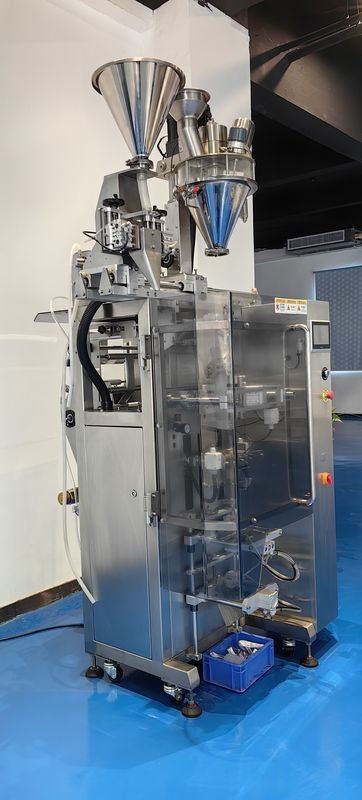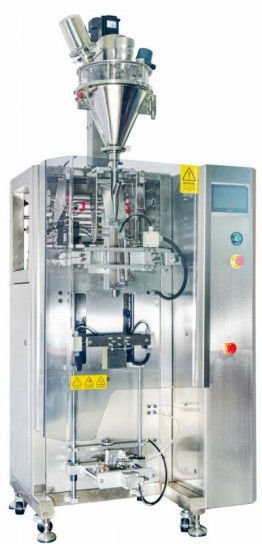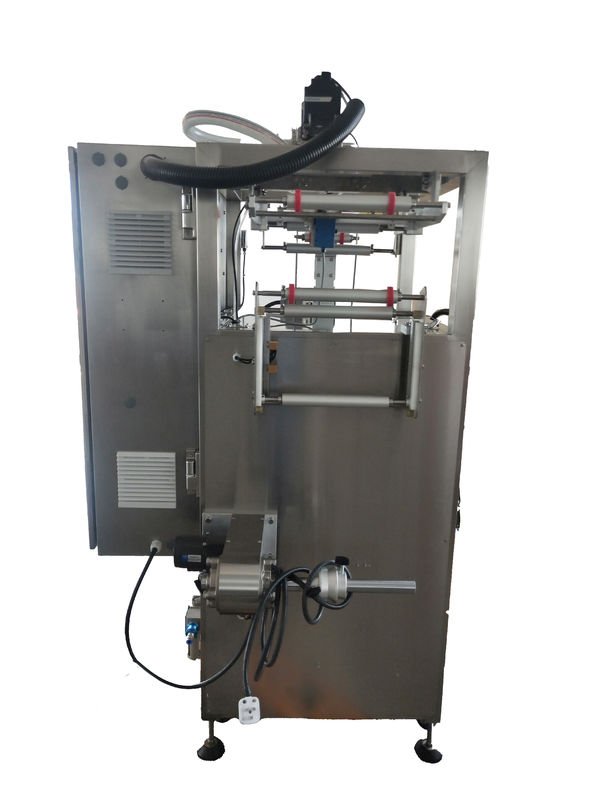
What Is a Vacuum Packaging Machine
A vacuum packaging machine is a specialized piece of equipment designed to remove air from packaging before sealing it, creating a vacuum environment that significantly extends the shelf life of products. This technology is widely used across food, pharmaceutical, and industrial sectors to preserve freshness, prevent spoilage, and protect items from moisture, oxygen, and contaminants. By eliminating air, vacuum packaging machines inhibit the growth of aerobic bacteria and mold, making them essential for businesses focused on product quality and safety.
The Core Purpose of Vacuum Packaging
Vacuum packaging serves multiple critical functions in modern production and distribution:
- Extends product shelf life by reducing oxidation and microbial growth.
- Maintains flavor, texture, and nutritional value of food products.
- Protects sensitive items from moisture and external contamination.
- Reduces packaging volume for efficient storage and transportation.
- Enhances product presentation with tight, professional-looking packages.
Vacuum packaging is one of the most effective methods to preserve perishable goods without chemical preservatives.
How Vacuum Packaging Machines Work
Understanding the operational process of a vacuum packaging machine helps businesses select the right equipment for their needs. The typical workflow includes:
- Loading: The product is placed inside a specially designed vacuum bag or pouch.
- Vacuuming: The machine uses a vacuum pump to extract air from the package, creating negative pressure.
- Sealing: Once the desired vacuum level is achieved, the machine heat-seals the opening to lock in the vacuum.
- Gas Flushing (Optional): Some machines inject inert gases like nitrogen to further protect the product.
- Cooling: The seal cools and solidifies to ensure package integrity.
Modern vacuum packaging machines feature programmable controls, adjustable vacuum levels, and automated cycles to handle various product types efficiently.
Types of Vacuum Packaging Machines
1. Chamber Vacuum Sealers
Chamber vacuum sealers place the entire package inside a chamber where air is evacuated from both the chamber and the bag simultaneously. Key advantages include:
- Ability to package liquids and moist products without spillage.
- Higher vacuum levels for superior preservation.
- Suitable for high-volume commercial operations.
- Compatible with less expensive vacuum bags.
2. External Vacuum Sealers
External vacuum sealers use a nozzle to extract air from specially designed bags with textured surfaces. They are ideal for:
- Small to medium-scale operations and home use.
- Dry and solid food items.
- Compact footprint and lower initial investment.
3. Thermoforming Vacuum Machines
These advanced machines form the packaging from rolls of film, fill it with product, vacuum seal, and cut in one continuous process. Benefits include:
- Fully automated operation for maximum efficiency.
- Customizable package shapes and sizes.
- High throughput for industrial-scale production.
4. Tray Sealing Vacuum Machines
Tray sealers vacuum seal products placed in rigid trays with a top film. Common in ready meals and fresh produce, they offer:
- Enhanced product visibility and presentation.
- Protection against physical damage during handling.
- Options for modified atmosphere packaging (MAP).
Key Benefits of Using Vacuum Packaging Machines
Extended Shelf Life
Removing oxygen dramatically slows down spoilage processes, allowing products to remain fresh three to five times longer than conventional packaging.
Preservation of Quality
Vacuum sealing locks in flavors, aromas, nutrients, and textures, maintaining product integrity from production to consumption.
Cost Efficiency
Reduced spoilage and waste translate into significant cost savings for businesses, while compact packaging lowers shipping expenses.
Food Safety and Hygiene
Vacuum packaging minimizes contamination risks and meets stringent food safety regulations by creating a barrier against external pathogens.
Versatility
Suitable for a wide range of products including meats, seafood, cheese, coffee, electronics, medical supplies, and industrial components.
Industries That Rely on Vacuum Packaging Machines
Vacuum packaging technology serves diverse sectors, each with unique requirements:
- Food Industry: Meats, seafood, dairy, baked goods, coffee, and ready meals benefit from extended freshness.
- Pharmaceutical: Medicines and medical devices require sterile, moisture-free packaging.
- Electronics: Sensitive components are protected from moisture and static damage.
- Industrial: Metal parts and tools are preserved from corrosion during storage and transit.
Factors to Consider When Choosing a Vacuum Packaging Machine
Selecting the right packaging machine requires evaluating several important factors:
- Product Type: Consider whether you are packaging solids, liquids, or delicate items.
- Production Volume: Match machine capacity to your daily output needs.
- Automation Level: Decide between manual, semi-automatic, or fully automatic systems.
- Package Size and Format: Ensure the machine accommodates your packaging dimensions.
- Budget: Balance initial investment with long-term operational savings.
- Maintenance and Support: Choose suppliers offering reliable service and spare parts availability.
Maintenance Tips for Vacuum Packaging Machines
Proper maintenance ensures optimal performance and extends the lifespan of your vacuum packaging equipment:
- Clean sealing bars and chambers regularly to prevent residue buildup.
- Inspect and replace vacuum pump oil according to manufacturer recommendations.
- Check gaskets and seals for wear and replace when necessary.
- Test vacuum levels periodically to ensure consistent performance.
- Train operators on correct usage and troubleshooting procedures.
Routine maintenance prevents unexpected downtime and maintains packaging quality standards.
Innovations in Vacuum Packaging Technology
The vacuum packaging industry continues to evolve with technological advancements that enhance efficiency and sustainability:
- Integration of IoT sensors for real-time monitoring and predictive maintenance.
- Development of eco-friendly vacuum bags made from recyclable or biodegradable materials.
- Smart controls with touchscreen interfaces and programmable settings.
- Energy-efficient vacuum pumps reducing operational costs.
- Multi-chamber systems for higher throughput in industrial applications.
Conclusion
Vacuum packaging machines are indispensable tools for businesses seeking to preserve product quality, extend shelf life, and reduce waste. Understanding how these machines work, the different types available, and their benefits enables informed decision-making when investing in packaging equipment. Whether for food preservation, pharmaceutical applications, or industrial protection, vacuum packaging technology delivers reliable results that meet modern quality and safety standards. Partnering with trusted suppliers like Packmate Machinery ensures access to innovative solutions tailored to your specific needs.
Frequently Asked Questions
What products are best suited for vacuum packaging?
Vacuum packaging works excellently for meats, seafood, cheese, coffee, dried foods, electronics, medical supplies, and metal components.
How much longer does vacuum packaging extend shelf life?
Depending on the product, vacuum packaging can extend shelf life by three to five times compared to traditional packaging methods.
Can vacuum packaging machines handle liquids?
Yes, chamber vacuum sealers are specifically designed to package liquids and moist products without spillage.
What maintenance is required for vacuum packaging machines?
Regular cleaning, oil changes for vacuum pumps, gasket inspections, and operator training are essential for reliable operation.
Where can I purchase reliable vacuum packaging machines?
Packmate Machinery offers a comprehensive range of high-quality vacuum packaging solutions for various industries.