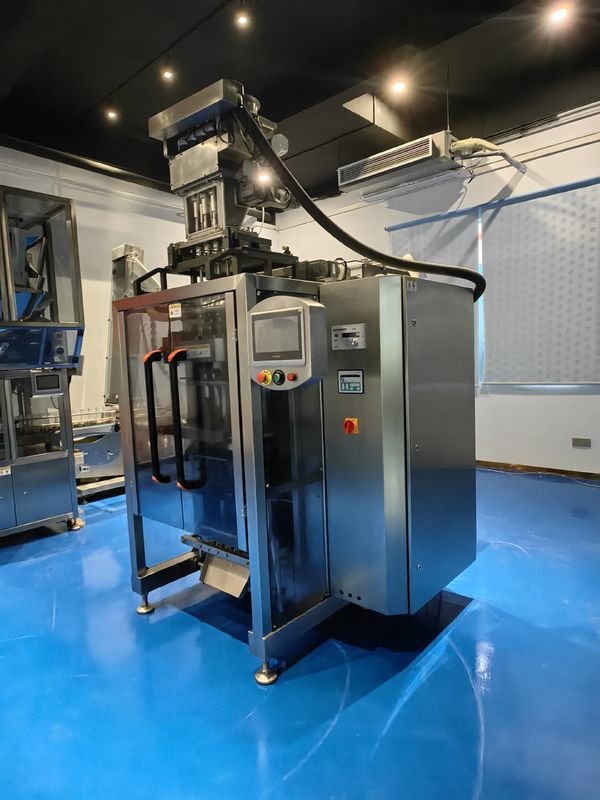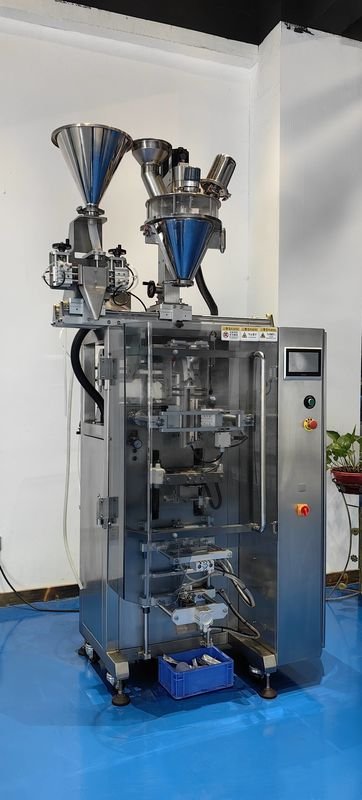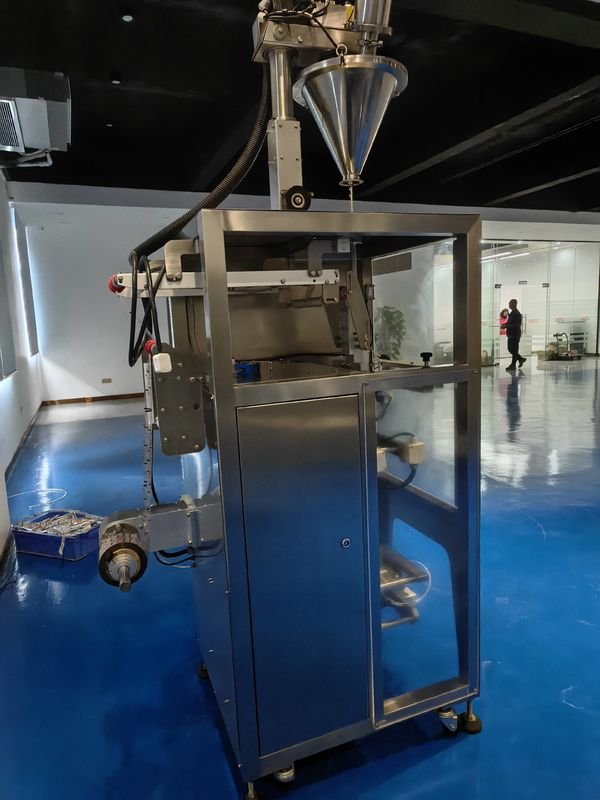
The useful life of packaging machines refers to the period during which the equipment remains economically productive, reliable, and capable of delivering consistent performance in industrial operations. Industry sources commonly estimate this lifespan at 10 to 20 years for well-maintained systems, though many robust models exceed 20 years with proper care.
Factors such as build quality, usage intensity, maintenance routines, operating environment, and technological advancements determine how long a packaging machine remains viable before requiring major rebuilds, upgrades, or replacement. Understanding these elements helps businesses plan investments, calculate ROI, and optimize asset management.
Typical Lifespan Ranges for Packaging Equipment
Most industrial packaging machines achieve 10–15 years of reliable service under standard conditions. High-quality vertical form-fill-seal (VFFS), horizontal form-fill-seal (HFFS), case packers, and palletizers often reach 15–20 years or 20,000–40,000 operating hours when serviced regularly.
General benchmarks: Entry-level or light-duty machines 5–10 years; mid-range industrial units 10–15 years; premium heavy-duty systems 15–25+ years with proactive maintenance.
Some manufacturers report machines still operational after 25–30 years, particularly in controlled environments with minimal abrasive products or continuous heavy-duty cycles.
Key Factors Influencing Useful Life
Equipment quality stands as the foundation—machines constructed with durable stainless steel frames, high-grade components, and precision engineering outlast lower-spec alternatives. Brand reputation and design standards play significant roles in longevity.
Operating conditions heavily impact durability. Continuous 24/7 production accelerates wear compared to single-shift use. High-speed lines, abrasive materials like powders or granules, corrosive substances, or extreme temperatures shorten service life if not addressed.
Maintenance Practices and Their Impact
Preventive maintenance extends useful life dramatically. Regular inspections, lubrication, cleaning, part replacements, and calibration prevent minor issues from escalating into major failures.
Essential maintenance benefits: Reduced unexpected downtime by 50–70%, extended component life, maintained efficiency, and preserved warranty coverage—often pushing lifespan beyond initial estimates.
Neglected machines suffer accelerated degradation from dust buildup, misalignment, or unlubricated parts, leading to premature replacement.
Usage Intensity and Duty Cycle
Daily operating hours directly correlate with wear. Machines running 8 hours per day may last 15–20 years, while those in 24/7 operations might reach only 10–12 years without exceptional care.
Intermittent use allows recovery time for components, reducing thermal stress and fatigue. High-cycle applications demand more frequent servicing to sustain performance.
Environmental and Product-Related Effects
Facility conditions matter—dusty, humid, or corrosive environments accelerate component failure. Clean, temperature-controlled settings preserve seals, electronics, and moving parts longer.
Product characteristics influence longevity. Gentle handling of dry goods contrasts with abrasive, sticky, or liquid products that cause faster wear on contact surfaces and mechanisms.
Technological Obsolescence and Upgrades
Even mechanically sound machines may become obsolete due to outdated controls, lack of integration with modern WMS/ERP systems, or inability to meet new regulatory standards like energy efficiency or safety requirements.
Upgrading PLCs, sensors, or drives can extend useful life cost-effectively without full replacement, maintaining competitiveness in automated facilities.
Depreciation and Accounting Perspectives
For tax purposes, packaging machinery often falls under 7-year MACRS recovery periods in many jurisdictions, reflecting accelerated depreciation. Book useful life tends toward 10–15 years for straight-line calculations, aligning with realistic operational expectations.
Asset management teams track condition-based remaining life using CMMS data, adjusting estimates beyond initial assumptions for accurate financial planning.
Strategies to Maximize Useful Life
Implement comprehensive preventive maintenance schedules, train operators thoroughly, monitor performance metrics, and address issues promptly. Partner with reputable suppliers for genuine parts and technical support.
Invest in modular designs allowing component upgrades. Regular audits identify improvement areas, ensuring sustained efficiency throughout the lifecycle.
Explore durable, high-performance packaging machine options built for extended service life. Reliable packaging machine solutions incorporate features that enhance longevity and reduce total ownership costs. Discover advanced packaging machine technologies designed for demanding industrial applications. Contact experts for tailored packaging machine recommendations optimized for maximum lifespan.
Signs That Useful Life Is Ending
Frequent breakdowns, rising maintenance costs exceeding 10–15% of replacement value annually, declining efficiency, inability to meet speed/accuracy targets, or incompatibility with current production needs signal approaching end-of-life.
At this stage, evaluate rebuild versus replace options based on cost-benefit analysis, future requirements, and available technology.
Conclusion
The useful life of packaging machines typically spans 10–20 years, with exceptional cases reaching 25+ years through diligent maintenance and quality construction. By prioritizing preventive care, monitoring conditions, and planning strategically, businesses extend asset value, minimize disruptions, and achieve superior long-term returns on investment in packaging operations.
FAQ
What is the average useful life of industrial packaging machines?
Most well-maintained packaging machines last 10–20 years, with many sources citing 10–15 years as a standard expectation under normal operating conditions.
How can maintenance extend the lifespan of packaging equipment?
Regular preventive maintenance, cleaning, lubrication, and timely part replacements prevent wear, reduce failures, and often push useful life beyond 20 years while maintaining peak efficiency.
Does usage intensity affect packaging machine longevity?
Yes—24/7 high-speed operations wear components faster than single-shift use, potentially shortening life to 10–12 years unless compensated by enhanced servicing.
When should a packaging machine be replaced?
Replace when repair costs rise sharply, efficiency drops significantly, frequent downtime occurs, or the machine no longer meets production, regulatory, or integration needs.
Are there differences in lifespan between machine types?
Yes—robust VFFS or palletizers often endure longer than lighter-duty fillers or wrappers, with heavy-duty industrial models frequently outlasting entry-level equipment.