Selecting the right pouch packaging machine represents a critical investment decision that can significantly impact your production efficiency, product quality, and overall profitability. With numerous manufacturers offering diverse machine types, features, and capabilities, understanding what to look for in pouch packaging equipment ensures you make an informed choice that aligns with your specific operational requirements and business objectives. This comprehensive guide examines the essential factors, technical specifications, and practical considerations that should guide your pouch packaging machine selection process.
Understanding Your Production Requirements
Before evaluating specific packaging machine models, you must thoroughly assess your production needs and operational parameters. This foundational analysis ensures that the equipment you select can meet both current demands and anticipated future growth while operating efficiently within your facility constraints.
Critical Assessment Point: The most sophisticated and expensive pouch packaging machine is not necessarily the best choice for your operation. The ideal machine balances capability with your actual requirements, avoiding both under-capacity that limits production and over-capacity that wastes capital and floor space.
Production Speed and Volume Capacity
Production speed stands as one of the most fundamental specifications to consider when evaluating pouch packaging machines. Machine speeds are typically expressed in pouches per minute or bags per minute, with capabilities ranging from 30 pouches per minute for entry-level equipment to over 200 pouches per minute for high-speed industrial systems. Calculate your required production capacity by considering your current volume, anticipated growth, desired shift patterns, and necessary allowances for changeovers and maintenance downtime. A general rule suggests selecting equipment with 20-30% more capacity than your current maximum requirement to accommodate growth and maintain flexibility during peak demand periods.
Pouch Size Range and Flexibility
Different pouch packaging machines accommodate varying ranges of pouch sizes, from small single-serving sachets measuring just a few centimeters to large industrial pouches exceeding half a meter in dimension. Evaluate your current product line and consider potential future additions when assessing size range requirements. Machines with wider adjustment ranges provide greater flexibility but may command higher prices. Pay particular attention to both minimum and maximum pouch dimensions, as well as the ease and speed of changeover between different sizes. Some advanced machines feature servo-driven adjustment systems that enable rapid format changes through digital controls, while others require manual mechanical adjustments that consume more changeover time.
Key Size Specifications to Verify
- Minimum and maximum pouch width capacity
- Minimum and maximum pouch length capacity
- Maximum fill volume or weight capacity
- Gusset or stand-up pouch capabilities if required
- Zipper or reclosable feature compatibility
- Spout or fitment attachment capabilities
Machine Type and Configuration Options
Pouch packaging machines come in several fundamental configurations, each suited to different applications, production scales, and operational philosophies. Understanding these machine types helps narrow your selection to equipment appropriate for your specific situation.
Vertical Form Fill Seal Machines
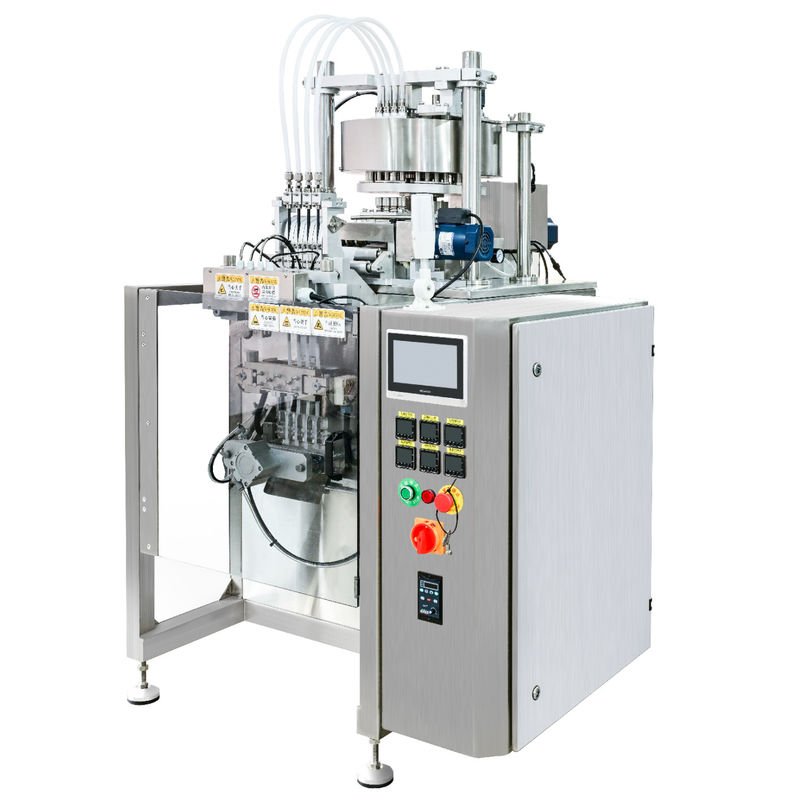
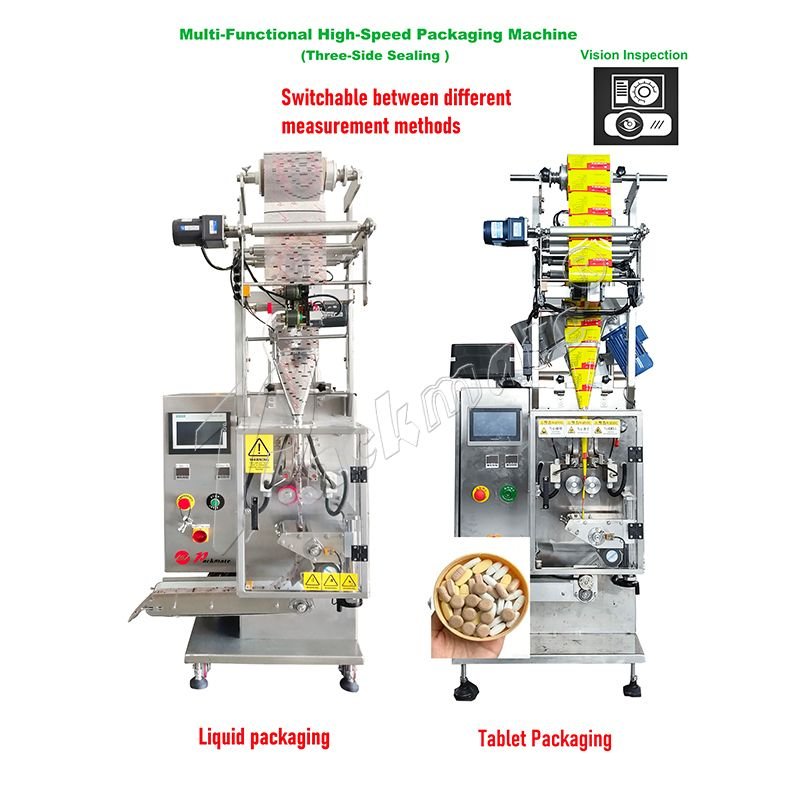
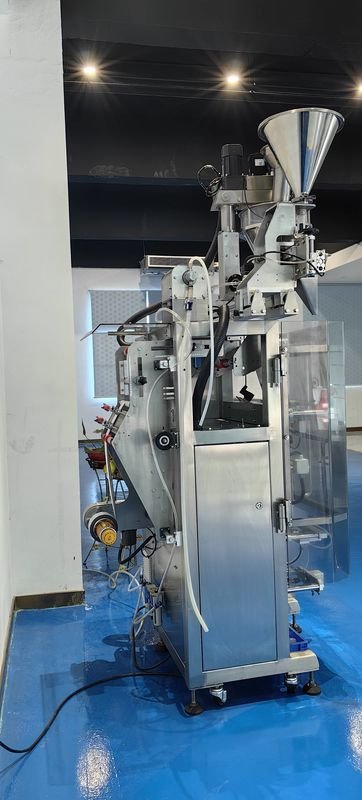
Vertical form fill seal machines, commonly abbreviated as VFFS, represent the most popular configuration for pouch packaging across numerous industries. These machines form pouches from a continuous roll of film, fill them with product, and seal them in a continuous vertical process. VFFS machines excel at packaging free-flowing products including granules, powders, liquids, and small solid items. They offer excellent production speeds, efficient film usage, and compact footprints relative to their output capacity. When evaluating VFFS packaging machine options, consider the forming system design, sealing technology, film handling capabilities, and integration options with upstream filling equipment.
Horizontal Form Fill Seal Machines
Horizontal form fill seal or HFFS machines create and fill pouches in a horizontal orientation, making them particularly suitable for solid products, fragile items, or products that require careful placement. These machines often provide gentler product handling compared to vertical systems and can accommodate a wider variety of product shapes and sizes. HFFS equipment typically operates at moderate speeds and requires more floor space than equivalent VFFS systems. They are frequently chosen for applications involving bakery products, fresh produce, hardware items, and medical devices where product orientation and gentle handling are priorities.
Premade Pouch Fill Seal Machines
Premade pouch machines, also called prefabricated pouch fillers or rotary pouch machines, work with pouches that have already been manufactured and supplied on rolls or in stacks. These machines open the premade pouches, fill them with product, and seal the opening. Premade pouch systems offer exceptional package quality and presentation, supporting complex pouch designs including stand-up pouches, shaped pouches, and pouches with special features like zippers, spouts, or windows. While premade pouches cost more than film rolls used in form fill seal machines, the superior shelf appeal and branding opportunities often justify the additional material expense for consumer-facing products.
Critical Technical Specifications
Beyond basic machine type and capacity, numerous technical specifications significantly impact performance, reliability, and suitability for your specific application. Carefully evaluating these specifications ensures the equipment you select can consistently produce quality packages while operating reliably in your production environment.
Filling System Accuracy and Reliability
The filling system represents the heart of any pouch packaging machine, directly impacting product giveaway, package consistency, and regulatory compliance. Different filling technologies suit different product characteristics. Volumetric fillers measure products by volume using cups, augers, or piston systems, working well for consistent-density products. Gravimetric fillers weigh each dose using load cells or scales, providing superior accuracy for variable-density products or when precise weight compliance is critical. Liquid fillers may employ volumetric pumps, flow meters, or time-pressure systems depending on liquid viscosity and accuracy requirements. Evaluate filling accuracy specifications, typically expressed as a percentage or absolute value, ensuring they meet your product giveaway targets and regulatory requirements.
Filling System Selection Criteria
Match the filling technology to your product characteristics and requirements. Free-flowing granular products work well with volumetric cup or auger fillers. Sticky or clumping powders may require vibration-assisted or agitated filling systems. Liquids need appropriate pump types based on viscosity, with piston pumps for thick products and peristaltic or gear pumps for thinner liquids. Products containing particulates in liquid require gentle filling systems that prevent particle damage while maintaining accuracy.
Sealing Technology and Quality
Seal quality directly determines package integrity, shelf life, and customer satisfaction. Pouch packaging machines employ various sealing technologies including heat sealing, ultrasonic sealing, and impulse sealing. Heat sealing remains the most common method, using heated bars or jaws to melt and fuse packaging film layers together. Evaluate the sealing system’s temperature control precision, pressure uniformity, and dwell time consistency. Advanced machines incorporate servo-controlled sealing with real-time monitoring and adjustment. For products sensitive to heat, ultrasonic sealing uses high-frequency vibration to create seals without high temperatures. Seal width, pattern options such as cross-seals or fin seals, and the ability to create features like tear notches or easy-open perforations should align with your package design requirements.
Film Handling and Compatibility
For form fill seal machines, film handling capabilities significantly impact operational efficiency and packaging flexibility. Verify that prospective machines can accommodate your preferred film structures, thicknesses, and widths. Modern flexible packaging employs complex multi-layer laminations combining various polymers to achieve specific barrier properties, strength characteristics, and sealing performance. Confirm compatibility with your current film specifications while maintaining flexibility for potential future material changes. Film tension control systems, registration systems for printed films, and splice detection capabilities affect operational reliability and package quality. Some machines include automatic film tracking systems that maintain proper film alignment, while others require manual adjustment.
Film Specification Considerations
- Compatible film thickness range measured in microns or gauge
- Maximum film roll diameter and core size specifications
- Film structure compatibility including laminates and coatings
- Registration mark detection for printed film alignment
- Automatic or manual film loading and splicing capabilities
- Film waste percentage and efficiency metrics
Automation and Control Systems
The sophistication of control and automation systems dramatically affects operational efficiency, ease of use, and integration capabilities. Modern packaging machine platforms incorporate advanced technologies that enhance productivity while simplifying operation and maintenance.
Human Machine Interface Design
The human machine interface or HMI serves as the primary operator interaction point, controlling machine functions, displaying status information, and facilitating troubleshooting. Modern machines feature color touchscreen interfaces with intuitive graphics, recipe management systems, and multilingual support. Evaluate HMI usability by considering menu structure clarity, information accessibility, and the learning curve for new operators. Advanced interfaces provide real-time production monitoring, trend analysis, maintenance reminders, and guided troubleshooting procedures. Recipe storage capabilities allow operators to save and recall parameter sets for different products or package formats, dramatically reducing changeover time and eliminating setup errors.
Servo Drive Technology
Servo-driven pouch packaging machines offer significant advantages over traditional mechanical drive systems including superior precision, faster format changes, reduced maintenance, and greater operational flexibility. Servo motors provide precise position and speed control for film feeding, sealing jaw movement, filling operations, and product placement. This precision translates to consistent package quality, reduced film waste, and the ability to handle a wider range of products and package styles. While servo-driven machines command premium prices, the operational benefits typically justify the investment for medium to high-volume applications. When evaluating servo systems, consider the number of servo axes, control resolution, and the ease of adjusting motion profiles for different products.
Integration and Connectivity Capabilities
Modern manufacturing environments increasingly emphasize connectivity and data integration. Evaluate pouch packaging machines for their ability to communicate with other equipment, production management systems, and enterprise software platforms. Industry 4.0 compatible machines support standard communication protocols such as OPC-UA, Ethernet/IP, or Profinet, enabling seamless integration with upstream and downstream equipment. Data export capabilities allow production metrics, quality parameters, and maintenance information to flow into enterprise resource planning systems, manufacturing execution systems, and business intelligence platforms. Remote access capabilities enable technical support, predictive maintenance, and multi-site production monitoring.
Build Quality and Reliability Factors
The construction quality and engineering of pouch packaging equipment directly impacts reliability, maintenance requirements, and operational lifespan. Investing in well-built machines from reputable manufacturers typically delivers lower total cost of ownership despite higher initial purchase prices.
Frame Construction and Materials
Machine frame construction affects stability, durability, and sanitation capabilities. Heavy-duty welded steel frames provide excellent rigidity and longevity for demanding industrial environments. Stainless steel construction, while more expensive, offers superior corrosion resistance and cleanability essential for food, pharmaceutical, and cosmetic applications. Examine the quality of welds, surface finishes, and overall construction attention to detail. Well-designed frames incorporate accessibility features including removable panels, hinged guards, and strategically positioned maintenance points that facilitate cleaning and servicing.
Material Selection Importance: For applications involving food contact or wash-down environments, verify that all product contact surfaces and exposed components meet appropriate material standards such as FDA compliance, 3-A sanitary standards, or IP protection ratings. Inferior materials may initially reduce costs but lead to premature failure, contamination risks, or regulatory compliance issues.
Component Quality and Sourcing
The quality of individual components significantly influences overall machine reliability and maintenance costs. Premium machines incorporate components from recognized industrial suppliers including servo motors from brands like Siemens or Allen Bradley, pneumatic components from Festo or SMC, and sensors from Sick or Banner. While component brand names should not be the sole selection criteria, the use of standard industrial components from reputable suppliers ensures parts availability, technical support, and proven reliability. Proprietary or obscure components may create long-term maintenance challenges and parts sourcing difficulties.
Maintenance Accessibility and Design
Machines designed with maintenance in mind reduce downtime and lower operational costs over their lifespan. Evaluate accessibility to wear components such as sealing elements, cutting blades, and product contact parts that require regular replacement. Tool-less or quick-change designs for frequently serviced items minimize changeover and maintenance time. Clear component labeling, color-coded pneumatic and electrical systems, and comprehensive documentation support efficient troubleshooting and repair. Some manufacturers provide augmented reality maintenance guides or video tutorials that further simplify service procedures.
Safety Features and Compliance
Safety considerations must be paramount when selecting pouch packaging equipment. Proper safety systems protect operators, ensure regulatory compliance, and minimize liability exposure while maintaining productive operation.
Essential Safety Features
- Comprehensive machine guarding preventing access to moving parts during operation
- Interlocked safety gates that automatically stop hazardous motion when opened
- Emergency stop controls positioned at strategic locations around the machine
- Light curtains or safety scanners protecting operator interface areas
- Lockout-tagout provisions for safe maintenance procedures
- Compliance with relevant safety standards such as CE marking or OSHA requirements
- Clear safety labeling and operator warnings in appropriate languages
Regulatory Compliance Considerations
Depending on your industry and geographic location, pouch packaging machines may need to comply with various regulatory requirements. Food industry applications require compliance with food safety regulations including FDA standards in the United States or EU food contact regulations in Europe. Pharmaceutical applications must meet Good Manufacturing Practice requirements and potentially 21 CFR Part 11 for electronic record keeping. Verify that prospective machines meet applicable regulatory standards and that manufacturers can provide necessary documentation including declarations of conformity, material certifications, and validation protocols.
Supplier Evaluation and Support Services
The relationship with your packaging machine supplier extends far beyond the initial purchase transaction. Comprehensive support services significantly impact long-term operational success and equipment performance.
Technical Support and Service Network
Evaluate the supplier’s technical support capabilities including response time commitments, support hours, and communication channels. Domestic suppliers or manufacturers with local service networks typically provide faster response than overseas suppliers requiring international travel for service calls. Consider the availability of remote diagnostic capabilities that enable technicians to troubleshoot issues without site visits. Assess the supplier’s parts inventory and distribution system to ensure critical replacement parts can be obtained quickly when needed. Some suppliers maintain regional parts depots or offer expedited shipping for emergency situations.
Training and Documentation
Comprehensive operator and maintenance training ensures your team can effectively utilize equipment capabilities while performing routine maintenance tasks. Quality suppliers provide structured training programs covering operation, changeover procedures, routine maintenance, and basic troubleshooting. Training may occur at the supplier’s facility, your location during installation, or through online platforms. Evaluate the completeness of documentation including operation manuals, maintenance guides, electrical schematics, pneumatic diagrams, and parts lists. Well-organized documentation in your preferred language supports efficient operation and maintenance throughout the equipment lifecycle.
Installation and Commissioning Services
Professional installation and commissioning services ensure machines are properly integrated into your facility and optimized for your specific products. Experienced technicians verify proper utility connections, perform mechanical and electrical checks, conduct operational testing, and train your personnel. Comprehensive commissioning includes product trials, parameter optimization, and documentation of approved operating settings. While these services add to initial costs, they significantly reduce startup problems and accelerate time to full production.
Warranty and Service Agreements
Warranty terms vary significantly among suppliers and can indicate manufacturer confidence in equipment reliability. Standard warranties typically cover one year for parts and labor, though some manufacturers offer extended coverage for specific components. Carefully review warranty terms including coverage exclusions, response time commitments, and responsibilities for travel expenses. Consider preventive maintenance agreements that provide scheduled service visits, priority support, and discounted parts pricing. While these agreements represent ongoing costs, they often prove cost-effective by preventing major failures and extending equipment life.
Financial Considerations and Total Cost of Ownership
Equipment selection decisions should consider total cost of ownership rather than focusing solely on initial purchase price. A comprehensive financial analysis accounts for all costs associated with owning and operating equipment over its expected lifespan.
Initial Investment Components
The total initial investment extends beyond the base machine price to include numerous additional costs. Installation expenses cover electrical work, compressed air systems, facility modifications, and integration with existing equipment. Validation and qualification procedures for regulated industries add costs for testing, documentation, and potential process development. Initial training, spare parts inventory, and specialized tooling represent additional upfront expenses. Factor these costs into your budget to avoid surprises during implementation.
Ongoing Operational Costs
Operational costs accumulate throughout the equipment lifecycle and significantly impact total cost of ownership. Packaging material costs typically represent the largest ongoing expense, with film or premade pouch prices varying based on structure, barrier properties, and graphics. Energy consumption for motors, heating elements, and compressed air generation contributes to utility costs. Routine maintenance including replacement parts, consumables, and labor must be budgeted. Consider the efficiency of different machines in terms of film waste, product giveaway, and labor requirements when comparing options. A machine with higher initial cost but superior efficiency may deliver lower total cost of ownership.
ROI Calculation Factors
- Increased production capacity enabling revenue growth
- Labor savings through automation and efficiency improvements
- Reduced material waste through precise filling and efficient film usage
- Improved product quality reducing returns and customer complaints
- Enhanced package presentation supporting premium pricing
- Decreased downtime through reliable operation and quick changeovers
- Lower maintenance costs from quality construction and accessible design
Testing and Validation Before Purchase
Whenever possible, validate equipment performance with your actual products and packaging materials before finalizing a purchase. This testing reduces risk and ensures the machine can meet your specific requirements.
Product Trials and Demonstrations
Most reputable suppliers maintain demonstration facilities or test labs where prospective customers can trial equipment with their products. These trials verify compatibility, establish operating parameters, and identify any potential issues before installation. Bring representative product samples including any challenging variations such as different moisture contents, particle sizes, or viscosities. Test various package sizes and formats you plan to run. Document machine performance including speed, accuracy, seal quality, and any operational concerns. Request samples of packages produced during trials for shelf life testing and customer evaluation.
Reference Site Visits
Visiting existing installations of similar equipment provides valuable insights into real-world performance and supplier support quality. Request reference contacts from suppliers, preferably customers with similar applications, production volumes, and geographic proximity. During reference visits, observe actual operation, discuss maintenance experiences, evaluate package quality, and inquire about supplier responsiveness to issues. Ask about unexpected challenges encountered during installation or operation and how effectively they were resolved. Reference customers often provide candid assessments of equipment strengths and weaknesses that may not be apparent during demonstrations.
Future Flexibility and Scalability
Business needs evolve over time, and packaging equipment should accommodate reasonable changes without requiring complete replacement. Evaluating flexibility and upgrade potential protects your investment and extends equipment useful life.
Expandability and Upgrade Options
Some packaging machine platforms offer modular designs that support future capability additions. Options might include upgraded filling systems for different product types, additional sealing stations for increased speed, modified atmosphere packaging systems, printing or labeling integration, or automated loading and unloading systems. Verify upgrade availability and costs when evaluating initial equipment. Machines designed with expansion in mind typically incorporate additional space, mounting provisions, and control system capacity to accommodate enhancements without extensive modifications.
Format Change Capabilities
Market trends increasingly favor product variety and frequent new product introductions. Packaging equipment must accommodate these demands through efficient format change capabilities. Servo-driven machines with recipe management systems enable rapid changeovers between different products or package styles. Tool-less adjustment mechanisms reduce changeover time and skill requirements. Some advanced systems achieve format changes in minutes rather than hours, dramatically improving operational flexibility and reducing lost production time.
Environmental and Sustainability Considerations
Growing environmental awareness and regulatory requirements make sustainability an increasingly important factor in packaging equipment selection. Machines that support sustainable packaging initiatives while minimizing environmental impact align with corporate responsibility goals and consumer expectations.
Material Efficiency and Waste Reduction
Equipment that minimizes packaging material waste through precise film feeding, efficient nesting, and optimized seal placement reduces environmental impact while lowering material costs. Advanced machines incorporate automatic film registration that maintains precise positioning, reducing scrap from misaligned seals or graphics. Servo-driven film feed systems eliminate the slack and waste common in mechanical drive systems. Consider machines’ ability to work with thinner gauge films that reduce material usage without compromising package integrity.
Sustainability Trend: Verify that prospective machines can accommodate emerging sustainable packaging materials including recyclable mono-material structures, compostable films, and bio-based polymers. While these materials may have different processing characteristics than conventional films, forward-looking equipment designs provide the flexibility to adopt sustainable materials as they become commercially viable.
Energy Efficiency Features
Energy-efficient equipment reduces operational costs and environmental footprint. Modern machines incorporate energy-saving features including efficient motor designs, optimized heating systems with precise temperature control, and standby modes that reduce consumption during idle periods. Servo motors consume power only when actually moving, unlike continuous-run mechanical systems. LED lighting, variable frequency drives, and heat recovery systems further improve energy efficiency. Request energy consumption data for different operating modes to compare machines’ efficiency and calculate operational cost implications.
Frequently Asked Questions
What is the typical lifespan of a pouch packaging machine
A well-maintained pouch packaging machine from a quality manufacturer typically operates effectively for 10 to 15 years, though many machines continue functioning beyond this timeframe with appropriate maintenance and periodic component upgrades. The actual lifespan depends on numerous factors including build quality, operating intensity, maintenance practices, and environmental conditions. Machines running single shifts in clean environments generally last longer than equipment operating continuously in harsh conditions. Regular preventive maintenance, timely replacement of wear components, and occasional technology upgrades such as control system modernization can extend useful life significantly. However, even mechanically sound older machines may become obsolete due to changing packaging requirements, efficiency standards, or safety regulations. When evaluating equipment longevity, consider both physical durability and technological relevance to ensure the investment remains productive throughout its intended lifespan.
Should I buy a new or used pouch packaging machine
The decision between new and used equipment depends on your budget constraints, production requirements, risk tolerance, and long-term objectives. New machines offer the latest technology, full warranties, complete documentation, and manufacturer support but command premium prices. Used equipment provides significant cost savings, sometimes 40% to 70% below new prices, making packaging automation accessible to businesses with limited capital. However, used machines carry risks including unknown maintenance history, potential hidden problems, limited or no warranty coverage, and possible obsolete technology or discontinued parts. If considering used equipment, thoroughly inspect the machine, verify its operational history, and preferably test it with your products. Engage qualified technical experts to assess mechanical condition and control system functionality. Factor in potential refurbishment costs, parts availability, and remaining useful life when comparing used equipment to new alternatives. For critical production applications, new equipment typically provides better long-term value despite higher initial costs.
How long does it take to install and commission a pouch packaging machine
Installation and commissioning timelines vary significantly based on machine complexity, facility readiness, and application requirements. Simple manual or semi-automatic machines with minimal integration requirements may be operational within one to two weeks after delivery. Complex automated systems with extensive upstream and downstream integration, custom modifications, or regulatory validation requirements may require two to three months or longer for complete commissioning. The installation process includes physical placement, utility connections for electrical power, compressed air, and potentially water or drainage, mechanical leveling and anchoring, integration with existing equipment, control system configuration, safety system verification, and operational testing with actual products. Regulated industries add validation activities including installation qualification, operational qualification, and performance qualification protocols. Thorough planning, advance facility preparation, clear communication with suppliers, and realistic timeline expectations help ensure smooth installations. Many suppliers provide detailed installation guides and pre-installation checklists that help customers prepare facilities and gather necessary resources before equipment arrival.
What maintenance is required for pouch packaging machines
Pouch packaging machines require regular maintenance to ensure reliable operation and optimal performance. Daily maintenance typically includes cleaning product contact surfaces, inspecting seal quality, checking for loose fasteners or unusual noises, and verifying proper operation of safety systems. Weekly tasks often involve more thorough cleaning, lubrication of moving parts, inspection of film handling components, and verification of filling accuracy. Monthly maintenance may include detailed inspection of wear components such as sealing elements, cutting blades, and drive belts, checking pneumatic system for leaks, testing emergency stops and safety interlocks, and reviewing production data for performance trends. Annual or periodic maintenance involves comprehensive mechanical inspection, electrical system testing, calibration verification, replacement of scheduled wear items, and potentially software updates. The specific maintenance requirements vary by machine type, manufacturer, and application intensity. Manufacturers provide detailed maintenance schedules and procedures that should be followed diligently. Establishing a preventive maintenance program with trained personnel and adequate spare parts inventory minimizes unexpected downtime and extends equipment life. Many companies utilize computerized maintenance management systems to schedule tasks, track completion, and maintain service records.
Can one pouch packaging machine handle multiple different products
Most modern pouch packaging machines can accommodate multiple products, though the ease and speed of changeovers vary significantly among equipment types and designs. Machines with servo-driven controls and recipe management systems excel at multi-product applications, allowing operators to switch between different products by simply selecting the appropriate recipe from the control interface. These systems automatically adjust parameters including film feed length, filling dose, sealing temperature and time, and other critical settings. Physical changeovers may still be necessary when switching between significantly different products or package sizes, such as changing filling equipment components, adjusting forming shoulders, or installing different sealing jaws. The time required for format changes ranges from minutes for simple product variations on advanced machines to several hours for major format changes on mechanically adjusted equipment. When evaluating machines for multi-product use, consider the range of products you plan to package, the frequency of changeovers, and the skill level of available operators. Machines designed for flexibility may cost more initially but deliver superior value in diverse product environments through reduced changeover time and increased operational efficiency.