Understanding the Role of a Packaging Machine Operator
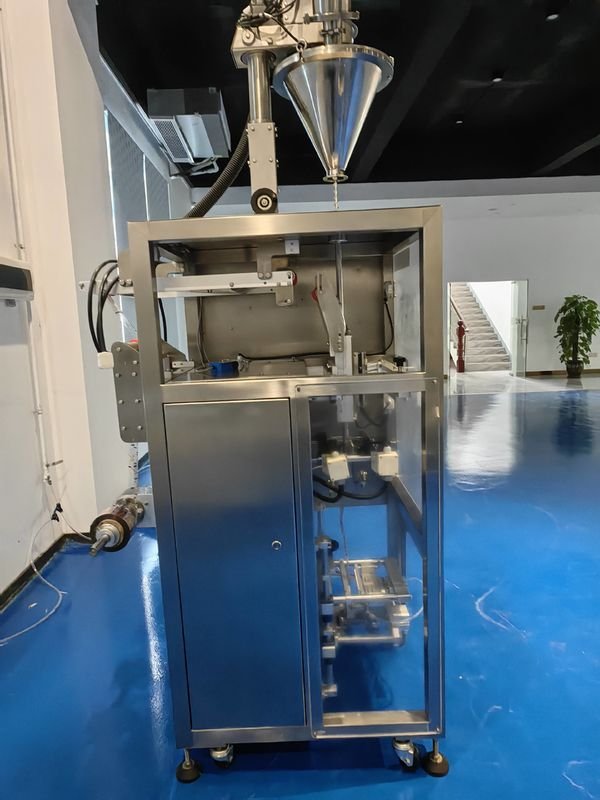
A packaging machine operator plays a vital role in manufacturing and production lines by managing machines that package goods efficiently and safely. This position is essential across numerous industries including food, pharmaceuticals, electronics, and consumer goods. Their responsibilities encompass operating, monitoring, and maintaining packaging equipment to ensure products are properly sealed, labeled, and ready for distribution.
Core Responsibilities of a Packaging Machine Operator
Packaging machine operators perform a variety of tasks that contribute directly to the integrity and quality of finished products. Some of the key duties include:
- Setting up, testing, and calibrating packaging machines for optimal performance.
- Loading raw materials like film, boxes, or containers into machines.
- Monitoring the packaging process to detect any irregularities or malfunctions.
- Performing routine maintenance and minor repairs to minimize downtime.
- Ensuring compliance with safety and hygiene standards on the production floor.
- Documenting production data including output rates, machine settings, and incidents.
The accuracy and attentiveness of packaging machine operators are crucial to maintaining product quality and preventing costly production delays.
Skills and Qualifications Needed for a Packaging Machine Operator
Successful packaging machine operators typically possess a combination of technical expertise and soft skills that allow them to manage machinery efficiently and collaborate with production teams.
Technical Skills
- Ability to read and interpret machine manuals and technical instructions.
- Knowledge of different packaging machinery types and operation principles.
- Basic troubleshooting and mechanical repair skills.
- Familiarity with quality control procedures and safety regulations.
Soft Skills
- Attention to detail to identify defects or inconsistencies quickly.
- Good communication for effective coordination with supervisors and maintenance staff.
- Problem-solving mindset to handle unexpected machine issues.
- Physical stamina and dexterity for hands-on machine operation tasks.
Educational Background
While many packaging machine operators enter the field with a high school diploma or equivalent, vocational training or certifications in industrial machinery operation, manufacturing technology, or mechanical maintenance can be advantageous.
A Day in the Life of a Packaging Machine Operator
The daily routine of a packaging machine operator involves overseeing machine functions and ensuring smooth workflow. Typical activities include:
- Beginning the shift by inspecting machinery and ensuring all components are functioning.
- Loading packaging materials such as wraps, cartons, or labels.
- Monitoring the machine’s speed and output rate, making adjustments as necessary.
- Addressing jams, leaks, or sealing inconsistencies immediately to reduce waste.
- Collaborating with quality assurance teams to inspect packaged products periodically.
- Completing production logs and reporting issues to supervisors.
Attention to safety and precision throughout the shift ensures reliable packaging and product safety for end consumers.
Challenges Faced by Packaging Machine Operators
Despite the vital role packaging machine operators play, the job comes with certain challenges:
- Machine malfunctions or technical failures can interrupt production and require quick problem-solving.
- Maintaining consistent quality under tight deadlines and high-volume conditions.
- Physical demands of standing for extended periods and performing manual loading tasks.
- Adapting to frequent changes in product designs and packaging specifications.
- Ensuring full compliance with evolving safety and environmental standards.
Career Outlook and Advancement Opportunities
The packaging industry is growing steadily as global demand for packaged goods increases. Packaging machine operators have several career pathways, including:
- Advancing to machine maintenance technician or repair specialist roles due to their hands-on technical knowledge.
- Supervisory or team lead positions overseeing packaging operations and staff.
- Transitioning into quality control or production planning roles.
- Specializing in new packaging technologies such as automation, robotics, or sustainable materials.
Continuous training and certification can help operators stay updated and improve their career prospects in this dynamic field.
How Technology is Shaping Packaging Machine Operator Roles
With digitalization and smart manufacturing approaches becoming standard, packaging machine operators increasingly work alongside automated systems and advanced machines equipped with sensors and AI. This shift offers:
- Enhanced monitoring capabilities through real-time data dashboards.
- Reduced manual labor and increased operational precision.
- Remote diagnostics and predictive maintenance advice.
- Opportunities to specialize in machine programming and system integration.
Embracing technology enhances operator efficiency while transforming traditional roles into more skilled technical positions.
Where to Find Packaging Machines and Operator Training Resources
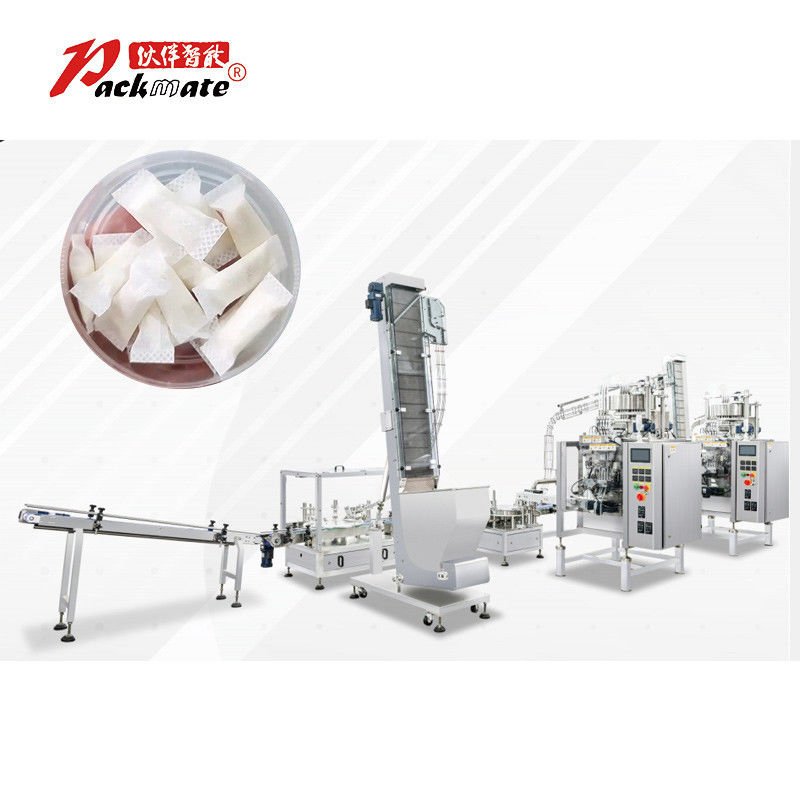
For businesses and individuals seeking quality packaging equipment or training opportunities, reputable suppliers and educators provide valuable resources. Packmate Machinery offers a wide range of advanced packaging machines renowned for reliability and user-friendly features. Additionally, many vocational schools and online platforms offer courses tailored to machine operation and maintenance.
Summary
The packaging machine operator is a crucial part of modern production, blending technical aptitude with practical skills to keep packaging lines running smoothly. This role offers career growth possibilities fueled by evolving technologies and expanding industries. Investing in proper training and understanding the diverse machinery available ensures operators contribute to effective packaging solutions that meet market demands.
Frequently Asked Questions
What qualifications do I need to become a packaging machine operator?
A high school diploma is usually required, with additional technical training or certifications beneficial for advanced machinery.
What are typical working hours for packaging machine operators?
Shifts vary widely from 8-hour day shifts to rotating shifts including nights and weekends, depending on production schedules.
How can I improve my skills as a packaging machine operator?
Regular training on new machines, safety protocols, and troubleshooting techniques enhances proficiency and career advancement prospects.
Are there safety risks associated with operating packaging machines?
Yes, machines present risks like pinch points and moving parts; adherence to safety procedures and protective equipment use is essential.
Where can I find reliable packaging machines for my business?
Packmate Machinery provides high-quality, versatile packaging machines suitable for various industries.