Understanding the Bakery Packaging Machine Industry
The bakery industry relies heavily on specialized packaging equipment to maintain product freshness, extend shelf life, and create appealing presentations that attract consumers. Selecting the right packaging machine brand represents a critical decision that impacts production efficiency, product quality, operational costs, and long-term business success. With numerous manufacturers offering bakery packaging solutions globally, understanding which brands deliver superior performance, reliability, and value helps bakery operators make informed investment decisions.
The bakery packaging equipment market encompasses diverse technologies including flow wrappers, vertical form fill seal machines, tray sealers, vacuum packaging systems, and specialized equipment for bread, pastries, cookies, and other baked goods. Different brands excel in specific equipment categories or application niches, making brand selection dependent on your particular packaging requirements, production volumes, budget parameters, and operational priorities.
This comprehensive guide examines leading bakery packaging machine brands across multiple equipment categories, evaluating their strengths, specializations, and distinguishing characteristics. We explore established European manufacturers known for precision engineering, Asian brands offering competitive pricing and innovation, North American companies providing local support advantages, and emerging manufacturers challenging established players. Understanding these brands’ positioning, capabilities, and value propositions empowers bakery businesses to identify optimal equipment partners for their specific needs.
Key Factors in Evaluating Bakery Packaging Machine Brands
Before examining specific brands, understanding the critical evaluation criteria helps assess which manufacturers best serve your operational requirements and business objectives.
Equipment Quality and Reliability
Equipment quality fundamentally determines long-term operational success and total cost of ownership. Premium brands utilize superior materials, precision manufacturing, and rigorous quality control that deliver exceptional reliability and extended equipment life. Stainless steel construction, quality bearings, precision drives, and robust electrical components characterize top-tier equipment that operates reliably for years with proper maintenance.
Reliability directly impacts production uptime, product quality consistency, and maintenance costs. Frequent breakdowns disrupt production schedules, create labor inefficiencies, and potentially compromise product quality. Leading brands engineer equipment with proven components, redundant systems for critical functions, and designs minimizing wear and failure points. This reliability proves particularly valuable for high-volume bakery operations where downtime carries substantial financial consequences.
Technical Innovation and Features
Leading packaging machine brands invest heavily in research and development that produces innovative features enhancing productivity, flexibility, and ease of operation. Servo-driven systems providing precise control, intuitive touchscreen interfaces, quick-change tooling for rapid product changeovers, and integrated quality inspection represent innovations that distinguish premium brands from basic equipment suppliers.
Advanced control systems enable sophisticated recipe management, production data collection, and integration with enterprise systems supporting Industry 4.0 initiatives. These technological advantages deliver operational benefits including reduced changeover times, improved consistency, enhanced traceability, and data-driven optimization opportunities that justify premium pricing for innovative brands.
Application Expertise and Specialization
Different brands develop deep expertise in specific bakery product categories or packaging formats through years of application focus. Some manufacturers specialize in bread packaging, others excel with delicate pastries, while additional brands focus on cookie and snack applications. This specialization produces equipment optimized for particular products with features, handling characteristics, and performance parameters specifically suited to those applications.
When evaluating brands, consider their experience with your specific products and packaging formats. Manufacturers with extensive application history in your category bring valuable knowledge regarding optimal equipment configurations, common challenges, and proven solutions that benefit your operation.
Essential evaluation criteria for bakery packaging machine brands include:
• Equipment build quality, materials, and manufacturing standards
• Reliability track record and mean time between failures
• Technical innovation and advanced feature availability
• Application specialization and product expertise
• Service and support network accessibility
• Spare parts availability and delivery times
• Training resources and documentation quality
• Total cost of ownership including maintenance and consumables
• Company stability and long-term viability
• Customer references and industry reputation
Service and Support Infrastructure
Comprehensive service and support infrastructure separates leading brands from competitors offering similar equipment specifications. Packaging machine manufacturers with extensive service networks, responsive technical support, adequate spare parts inventory, and effective training programs minimize downtime and maximize equipment performance throughout operational life.
Evaluate brands based on service availability in your geographic region, typical response times for technical support, parts delivery timelines, and the quality of training and documentation provided. Local service presence offers significant advantages for rapid on-site support when serious issues arise, while global brands with limited local representation may leave you dependent on distant support with extended response times.
Value Proposition and Pricing
Equipment pricing varies dramatically across brands based on manufacturing location, quality levels, feature sets, and brand positioning. Premium European manufacturers command highest prices reflecting superior engineering and quality, Asian brands offer competitive pricing with varying quality levels, while regional manufacturers balance local advantages with moderate pricing.
Evaluate pricing within the context of total value delivered rather than focusing solely on initial acquisition costs. Lower-priced equipment may prove more expensive over time through higher maintenance costs, greater downtime, shorter operational life, or limited support. Calculate total cost of ownership over expected equipment life considering all factors influencing long-term operational economics.
Leading European Bakery Packaging Machine Brands
European manufacturers established the packaging machinery industry and continue leading in precision engineering, innovation, and quality standards that define premium equipment categories.
German Engineering Excellence
German packaging machine manufacturers represent the pinnacle of engineering precision and quality, producing equipment that sets industry standards for performance and reliability. Brands like Bosch Packaging Technology, Gerhard Schubert, and Haas Food Equipment deliver sophisticated flow wrapping, tray sealing, and complete packaging lines serving major bakery operations globally.
German equipment features exceptional build quality with precision components, advanced servo systems, intuitive controls, and comprehensive safety features meeting stringent European standards. These manufacturers excel at complex integrated systems combining multiple packaging functions with upstream and downstream automation. The premium pricing reflects superior engineering, extensive testing, comprehensive documentation, and global support networks.
German brands particularly suit large-scale bakery operations, premium product manufacturers, and businesses prioritizing maximum uptime and long equipment life over initial costs. Their equipment handles demanding production schedules reliably while maintaining consistent quality that protects brand reputation and customer satisfaction.
Italian Design and Innovation
Italian packaging machine manufacturers combine elegant design with innovative technology, producing equipment known for versatility, user-friendliness, and sophisticated features. Companies including Ilapak, TMG Impianti, and Cama Group specialize in flow wrapping, cartoning, and end-of-line solutions serving bakery and confectionery industries extensively.
Italian equipment emphasizes flexibility and quick changeover capabilities supporting diverse product portfolios and frequent format changes. Modular designs enable customization for specific applications while maintaining reasonable pricing compared to German alternatives. The Italian packaging machinery industry benefits from proximity to major food production regions, fostering deep application knowledge and customer-focused innovation.
These brands appeal to medium and large bakeries requiring versatile, high-performance equipment at pricing below top-tier German manufacturers while maintaining European quality standards and support infrastructure.
Swiss Precision and Reliability
Swiss packaging equipment manufacturers leverage their nation’s reputation for precision engineering and quality, producing compact, efficient machines ideal for space-constrained bakery operations. Brands like Cavanna and other Swiss manufacturers focus on flow wrapping and specialized bakery packaging applications where precision and reliability prove paramount.
Swiss equipment typically features compact footprints, energy efficiency, low maintenance requirements, and exceptional longevity. While premium-priced, Swiss brands deliver excellent total cost of ownership through minimal downtime, low consumable costs, and extended operational life often exceeding 20 years with proper maintenance.
Prominent Asian Packaging Machine Manufacturers
Asian packaging equipment manufacturers have transformed the industry through competitive pricing, rapid innovation, and improving quality that challenges European dominance in many market segments.
Japanese Quality and Technology
Japanese packaging machine brands including Ishida, Fuji Machinery, and Tokyo Automatic Machinery combine advanced technology with rigorous quality control producing equipment rivaling European manufacturers at competitive pricing. Japanese manufacturers excel particularly in weighing technology, vertical form fill seal machines, and automated inspection systems integrated with packaging equipment.
Japanese equipment emphasizes precision, consistency, and sophisticated electronics with user-friendly interfaces. The manufacturers’ commitment to continuous improvement and customer feedback produces steady innovation addressing real operational challenges. Service networks extend globally with strong presence in Asian, North American, and European markets supporting international bakery operations.
Japanese brands suit bakeries seeking advanced technology and reliable performance at pricing below premium European equipment while maintaining quality standards approaching European levels. Their equipment handles high-speed production effectively while offering flexibility for product variety.
Chinese Manufacturing Scale and Value
Chinese packaging machine manufacturers have evolved dramatically from basic equipment suppliers to sophisticated technology providers serving global markets. Brands including Ruian Huadong, Wenzhou Echo, and Shanghai Kuko produce flow wrappers, vertical baggers, and bakery-specific equipment at pricing often 40 to 60 percent below European alternatives.
Quality varies significantly among Chinese manufacturers, ranging from basic machines suitable for price-sensitive applications to advanced equipment incorporating servo systems, touchscreen controls, and features approaching international standards. Leading Chinese brands increasingly focus on quality improvement, international certifications, and global service networks that enhance their competitiveness beyond pure pricing advantages.
Chinese equipment suits cost-conscious bakery operations, businesses in developing markets, or applications where budget constraints limit access to premium brands. Careful supplier selection and thorough equipment evaluation prove essential when considering Chinese manufacturers, as quality consistency and support capabilities vary considerably across the diverse supplier landscape.
South Korean Innovation
South Korean packaging equipment manufacturers occupy a middle ground between Japanese quality and Chinese pricing, offering modern technology at competitive costs. Korean brands demonstrate strong engineering capabilities with particular expertise in vertical form fill seal machines and specialized bakery packaging applications.
Korean equipment increasingly incorporates advanced features including servo drives, vision systems, and sophisticated controls while maintaining pricing advantages versus Japanese and European competitors. Growing international presence and improving service networks enhance Korean brands’ appeal for bakeries seeking modern technology without premium pricing.
North American Packaging Equipment Leaders
North American packaging machine manufacturers serve domestic markets with local advantages while competing internationally through specialized technologies and application expertise.
United States Innovation and Support
American packaging equipment brands including PAC Machinery, Automated Packaging Systems, and specialized bakery equipment manufacturers provide strong local support advantages for North American bakeries. These companies emphasize customer service, rapid response times, readily available parts, and familiarity with American business practices and regulatory requirements.
American manufacturers often specialize in specific equipment categories or niche applications where they’ve developed deep expertise. Some focus on modified atmosphere packaging for extended shelf life, others excel in specialized bread or pastry packaging, while additional companies provide complete integrated lines. Packaging machine brands from the United States typically price competitively with European equipment while offering superior local support for domestic customers.
Canadian Bakery Equipment Specialists
Canadian packaging equipment manufacturers serve the North American bakery market with particular strength in bread and bun packaging applications. These companies understand regional preferences, climate considerations, and operational practices that influence equipment performance in North American conditions.
Canadian brands offer excellent support for bakeries in Canada and northern United States regions while maintaining competitive pricing and solid equipment quality. Their specialization in bakery applications produces equipment optimized for bread products, with features addressing moisture retention, crushing prevention, and presentation requirements specific to North American markets.
Specialized Bakery Packaging Equipment Categories
Different packaging equipment types require evaluation of brands specializing in those specific technologies, as expertise and market leadership vary across equipment categories.
Flow Wrapping Excellence
Flow wrapping represents the most common bakery packaging technology for individually wrapped products including cookies, brownies, muffins, and snack cakes. Leading flow wrapper brands include Bosch (Germany), Ilapak (Italy), Fuji Machinery (Japan), and numerous Chinese manufacturers offering various quality and price points.
Top flow wrapper brands by market segment:
Premium High-Speed Applications:
Bosch Packaging Technology, Cavanna, Fuji Machinery – for major bakery operations requiring maximum speed and reliability
Mid-Range Versatility:
Ilapak, PAC Machinery, Ishida – balancing performance, features, and pricing for medium-scale bakeries
Entry-Level and Budget-Conscious:
Chinese manufacturers including Ruian Huadong, Wenzhou Echo – providing basic functionality at accessible pricing
Vertical Bagging Systems
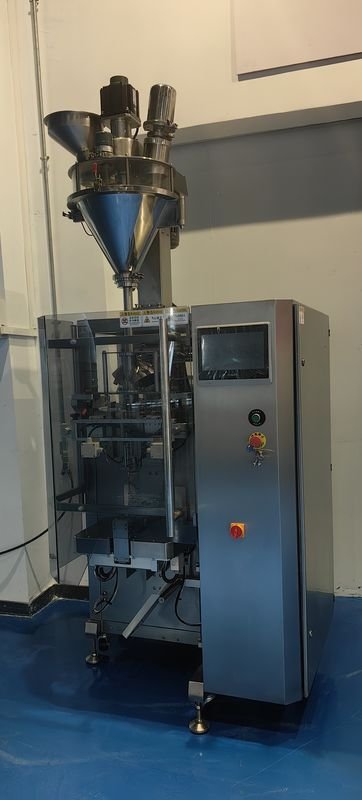
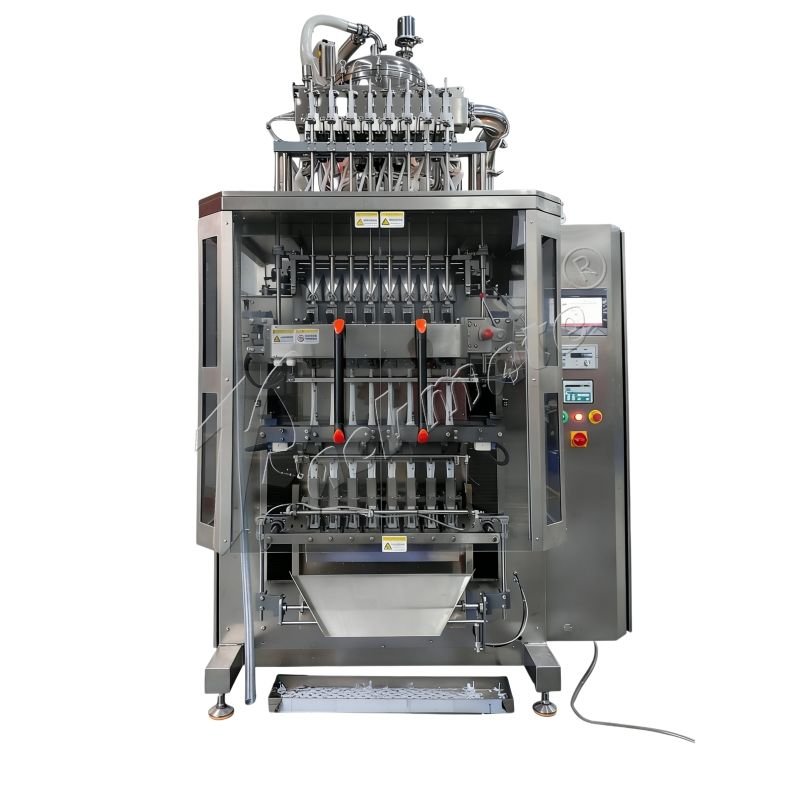
Vertical form fill seal machines package bulk bakery products including bread, rolls, bagels, and bagged snacks. Leading VFFS brands for bakery applications include Ishida, Hayssen (part of Barry-Wehmiller), and specialized bread bagging equipment manufacturers producing equipment optimized for soft, crushable products requiring gentle handling.
Bakery-specific VFFS equipment incorporates features including cushioned product handling, modified atmosphere capability for shelf life extension, and bag designs preventing crushing during filling and sealing. Brand selection depends on production volumes, bag sizes, and whether standard pillow bags or specialized formats like gusseted or wicketed bags suit your applications.
Tray Sealing and Modified Atmosphere Packaging
Tray sealing equipment packages fresh baked goods including pastries, cakes, and prepared desserts in rigid containers with film seals. Brands like Multivac (Germany), Sealed Air (USA), and Proseal (UK) lead tray sealing technology with equipment offering modified atmosphere capability extending product shelf life significantly.
These systems suit premium bakery products where presentation and extended freshness justify higher packaging costs compared to simple film wrapping. The equipment ranges from manual and semi-automatic units for small-scale operations to fully automated inline systems for high-volume production.
Cartoning and Secondary Packaging
Cartoning equipment packages individually wrapped bakery products into paperboard cartons for retail display and distribution. Leading cartoning brands including Bradman Lake, Econocorp, and Douglas Machine serve bakery applications with horizontal and vertical cartoning systems accommodating various product and carton configurations.
These machines integrate with primary packaging equipment creating complete automated lines from product infeed through cartoned cases ready for distribution. Brand selection depends on production speeds, carton styles, product handling requirements, and integration complexity with existing equipment.
Emerging Brands and Market Disruptors
The packaging equipment industry continues evolving with emerging manufacturers challenging established brands through innovation, competitive pricing, or specialized capabilities.
Turkish Manufacturing Growth
Turkish packaging equipment manufacturers have emerged as significant players offering European-style equipment at competitive pricing. Turkish brands benefit from proximity to European markets, skilled workforce, and modern manufacturing facilities producing equipment approaching European quality standards while maintaining Asian-competitive pricing.
These manufacturers increasingly serve international markets beyond their domestic base, offering attractive alternatives for bakeries seeking quality equipment without premium European pricing. Growing service networks and improving brand recognition enhance Turkish manufacturers’ competitiveness in global markets.
Indian Market Development
Indian packaging equipment manufacturers serve the massive domestic market while expanding international presence through competitive pricing and improving quality. Indian brands offer basic to mid-range equipment suitable for price-sensitive markets and developing regions where budget constraints limit access to premium brands.
Quality and sophistication vary significantly among Indian manufacturers, with leading companies incorporating modern technology and international standards while maintaining cost advantages versus established brands. Indian equipment suits bakeries in developing markets or cost-conscious operations willing to accept somewhat limited support infrastructure.
Innovative Technology Startups
Technology-focused startups are entering packaging equipment markets with innovative approaches including modular designs, artificial intelligence integration, sustainability features, and direct-to-customer business models bypassing traditional distribution channels. Packaging machine innovations from these emerging companies may disrupt established market structures while offering new capabilities and value propositions.
Making Brand Selection Decisions
Selecting optimal packaging equipment brands requires systematic evaluation balancing multiple factors specific to your operational requirements and business circumstances.
Matching Brands to Production Scale
Production volume significantly influences appropriate brand selection, as equipment capabilities, pricing, and support requirements vary across different operational scales. Small artisan bakeries producing thousands of units weekly succeed with entry-level equipment from Chinese manufacturers or basic models from established brands, prioritizing affordability and simplicity over maximum speed and sophistication.
Medium-scale bakeries producing tens of thousands to hundreds of thousands of units weekly benefit from mid-range brands offering balanced performance, reliability, and pricing. Italian, Japanese, or American manufacturers typically serve this segment effectively with versatile equipment supporting growth without excessive initial investment.
Large industrial bakeries producing millions of units require premium brands delivering maximum speed, reliability, and integration capabilities. German, leading Italian, or top-tier Japanese manufacturers provide equipment meeting demanding production requirements while minimizing downtime that severely impacts high-volume operations.
Geographic and Support Considerations
Your bakery’s location significantly influences brand selection through support availability, parts delivery, and service response times. Prioritize brands with strong local presence including authorized distributors, service technicians, and parts inventory in your region. The responsiveness advantages of local support often outweigh modest equipment performance or pricing differences.
For bakeries in remote locations or developing markets with limited service infrastructure, consider brands known for reliability and simple maintenance requirements reducing dependence on external support. Chinese or Indian equipment may offer advantages in Asian markets where these manufacturers maintain stronger presence than European brands.
Total Cost of Ownership Analysis
Evaluate brands based on comprehensive total cost of ownership over expected equipment life rather than focusing exclusively on purchase price. Calculate realistic projections including equipment costs, installation, training, maintenance expenses, spare parts, consumables, energy consumption, and expected downtime costs.
Premium brands commanding higher initial costs often deliver superior total cost of ownership through exceptional reliability, lower maintenance requirements, extended operational life, and better support. Conversely, budget equipment with attractive purchase pricing may prove expensive over time through frequent repairs, excessive downtime, shorter life expectancy, and limited support.
References and Due Diligence
Request and contact customer references operating similar equipment in comparable applications before finalizing brand selections. Speak directly with other bakery operators about their experiences regarding equipment performance, reliability, support quality, and overall satisfaction. These real-world insights prove invaluable for understanding how brands perform beyond marketing claims and specifications.
Visit trade shows where multiple brands display equipment, enabling direct comparisons and discussions with manufacturer representatives. Request demonstrations with your actual products when possible, validating equipment performance under realistic conditions before purchase commitments.
Frequently Asked Questions
Which packaging machine brands are best for small artisan bakeries?
Small artisan bakeries benefit most from brands offering reliable entry-level equipment at accessible pricing with straightforward operation and minimal maintenance complexity. Chinese manufacturers including Ruian Huadong, Wenzhou Echo, and similar suppliers provide basic flow wrappers and bagging equipment starting around 5,000 to 15,000 dollars that handle moderate production volumes effectively for small operations. These machines offer essential functionality without advanced features that small bakeries may not require or utilize. For slightly higher budgets, entry-level models from established brands like PAC Machinery, Minipack, or basic Italian manufacturers provide improved quality and some local support advantages while remaining accessible for small businesses. Turkish manufacturers represent another attractive option for small bakeries, offering European-style equipment quality at pricing between Chinese and premium European brands. When selecting brands for small bakery operations, prioritize simplicity, reliability, and local service availability over maximum speed or sophisticated features. Consider used equipment from premium brands as alternatives to new budget machines, as well-maintained used European or Japanese equipment often outperforms new Chinese machines while providing upgrade paths as businesses grow. Ensure any brand selected offers adequate documentation in your language, reasonable spare parts availability, and either local support or responsive remote assistance for troubleshooting common issues.
Are European packaging machine brands worth the premium pricing?
European packaging machine brands typically command premium pricing 50 to 150 percent above Asian alternatives, raising legitimate questions about value justification for bakery operations. The premium proves worthwhile for specific circumstances including high-volume production where reliability and uptime critically impact profitability, premium product positioning where consistent quality and presentation justify equipment investment, operations requiring maximum flexibility with frequent product changeovers, businesses prioritizing long equipment life exceeding 15 to 20 years, and situations where comprehensive local support and rapid parts availability provide essential operational security. European brands deliver superior build quality using precision components, advanced materials, and rigorous manufacturing standards that produce exceptional reliability and longevity. Their sophisticated control systems, intuitive interfaces, and innovative features enhance productivity and flexibility while reducing operator skill requirements. Comprehensive documentation, thorough training programs, and extensive service networks minimize downtime and operational disruptions. However, European equipment may not justify premium costs for small-scale operations with limited budgets, straightforward packaging requirements without frequent changes, products where basic packaging suffices, or situations where local support for European brands remains limited. Calculate realistic total cost of ownership over expected equipment life, comparing European options against alternatives while honestly assessing whether the performance, reliability, and support advantages warrant premium investment for your specific circumstances. Many successful bakeries operate profitably with mid-range Asian or American equipment, while others consider European brands essential for their operational requirements and quality standards.
What brands offer the best support and service for bakery packaging equipment?
Support and service quality varies significantly among packaging machine brands and depends heavily on your geographic location and the specific distributor or representative serving your area. Generally, brands with strong local presence through authorized distributors or direct subsidiary operations provide superior support compared to brands relying on independent importers or distant factory service. In North America, domestic brands like PAC Machinery and American manufacturers offer excellent local support with rapid response times and readily available parts. Major European brands including Bosch, Multivac, and Ilapak maintain established North American operations with trained technicians, parts distribution, and comprehensive support infrastructure. Japanese manufacturers Ishida and Fuji Machinery operate effective North American service networks supporting their installed equipment base. For European operations, German and Italian manufacturers naturally provide strongest support in their home markets with extensive distributor networks throughout the continent. Asian brands offer best support within their domestic markets and regions where they maintain strong market presence. When evaluating brands for support quality, research specific distributor or representative serving your area rather than relying solely on manufacturer reputation, as support quality varies considerably among different representatives of the same brand. Request information about local parts inventory, typical service response times, technician training and experience, and remote support capabilities. Contact existing customers of local distributors to learn about their support experiences. Brands offering comprehensive online resources including video tutorials, detailed manuals, and remote diagnostic capabilities provide valuable support supplementing local service availability.
Can Chinese packaging machine brands match European quality and reliability?
Chinese packaging machine quality has improved dramatically over the past decade, with leading manufacturers producing equipment that approaches international standards in many aspects, though significant variations persist across the diverse Chinese supplier landscape. Top-tier Chinese brands incorporating servo systems, quality components, and modern manufacturing processes deliver performance suitable for many bakery applications at pricing 40 to 60 percent below European alternatives. These advanced Chinese manufacturers increasingly serve international markets, obtain relevant certifications, and invest in quality control approaching developed market standards. However, Chinese equipment generally remains inferior to premium European brands regarding precision, consistency, advanced features, and long-term reliability. Build quality typically utilizes less expensive materials and components, control systems lack sophistication of European equivalents, and manufacturing tolerances may not match German or Swiss precision. Support infrastructure outside Asia often remains limited, with extended parts delivery times and language barriers complicating technical assistance. Chinese equipment suits applications prioritizing cost savings over maximum performance, operations with technical staff capable of handling maintenance internally, and situations where local support availability for premium brands remains limited anyway. The key to success with Chinese brands lies in careful supplier selection, thorough equipment evaluation including testing with actual products, realistic expectations about performance and support, and acceptance that some compromise in quality, features, and reliability accompanies significant cost savings. Leading Chinese manufacturers continue improving quality and closing gaps with international competitors, making them increasingly viable alternatives for cost-conscious bakery operations willing to accept some limitations versus premium European equipment.
Should I buy used equipment from premium brands or new machines from budget brands?
The decision between used premium equipment and new budget machines depends on specific circumstances, risk tolerance, and available support resources, as both approaches offer distinct advantages and limitations. Used equipment from established premium brands provides access to superior engineering, quality components, and proven designs at substantial discounts, typically 40 to 70 percent below new pricing depending on age and condition. Well-maintained used European or Japanese equipment often outperforms new Chinese machines while offering upgrade paths and parts availability from manufacturers committed to long-term support. However, used equipment carries risks including unknown maintenance history, potential hidden damage or wear, limited or no warranty coverage, possible obsolescence for older models, and compatibility challenges integrating with modern production systems. Thorough inspection by qualified technicians, verification of maintenance records, and testing with actual products prove essential when considering used equipment. New budget machines provide warranty coverage, current technology, known operating history, and full manufacturer support despite lower quality and features compared to premium brands. New equipment eliminates uncertainty about condition while providing several years of reliable operation if properly maintained. The optimal choice depends on factors including your technical capabilities for evaluating and maintaining used equipment, availability of quality used machines in appropriate configurations, local support for different brands regardless of age, budget constraints and financing considerations, and risk tolerance regarding equipment reliability. Many successful bakeries combine approaches, purchasing used premium equipment for critical primary packaging while using new budget machines for secondary operations, or starting with affordable new equipment and upgrading to used premium brands as businesses grow and production demands increase.