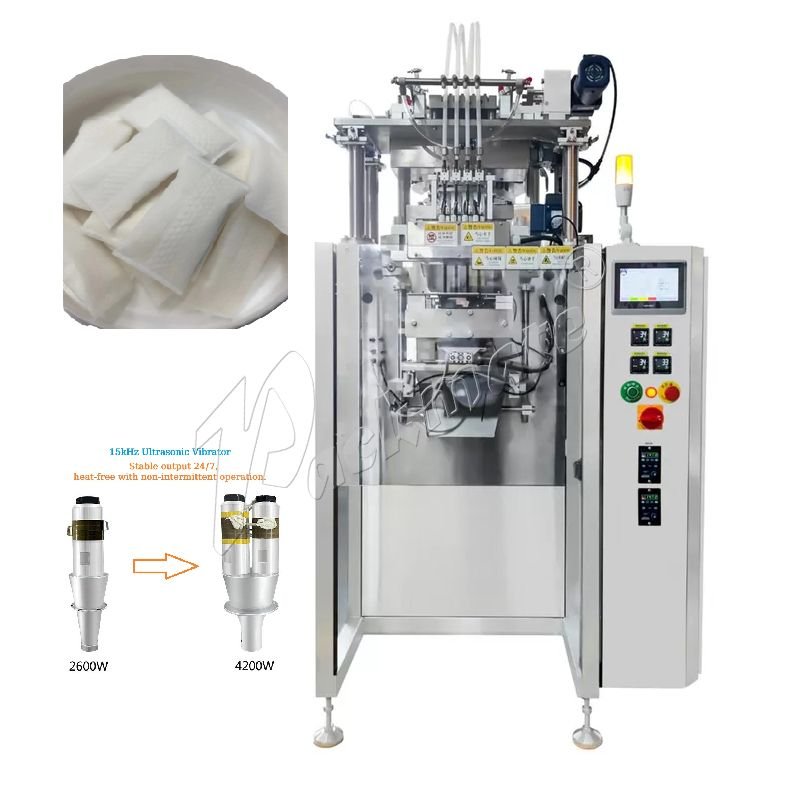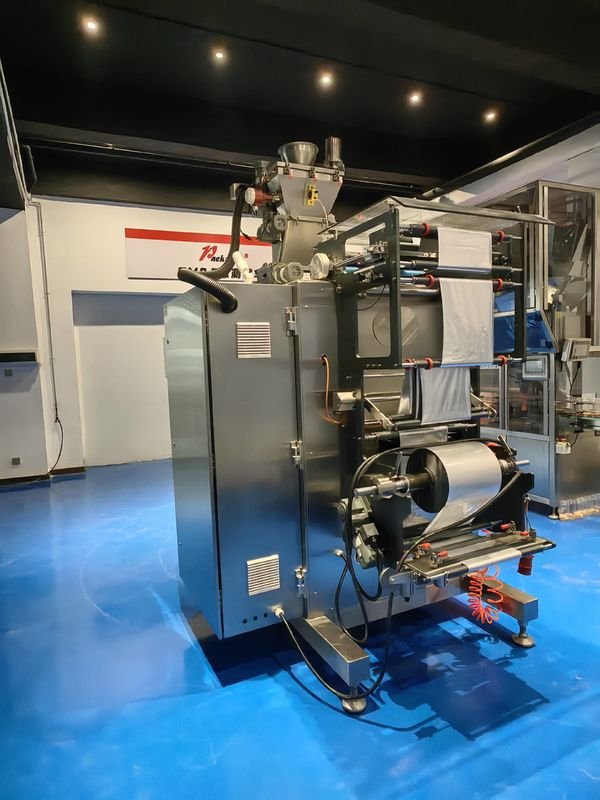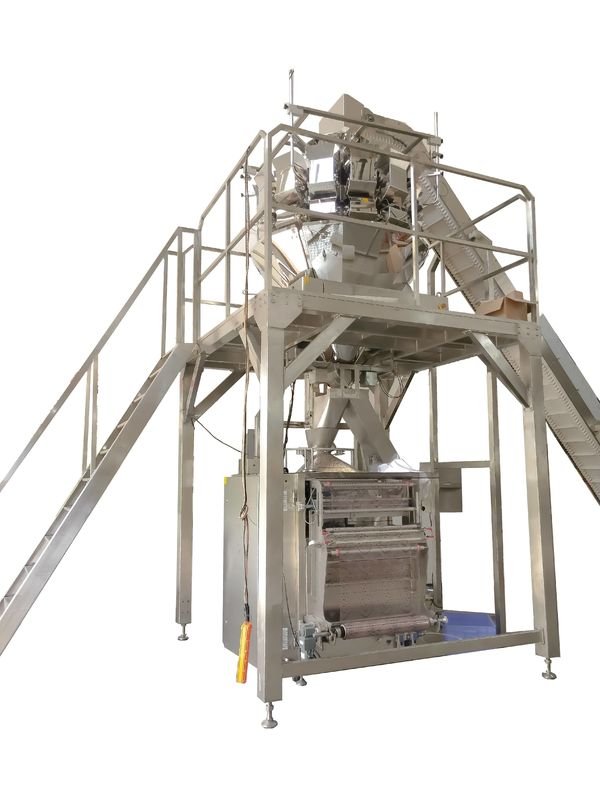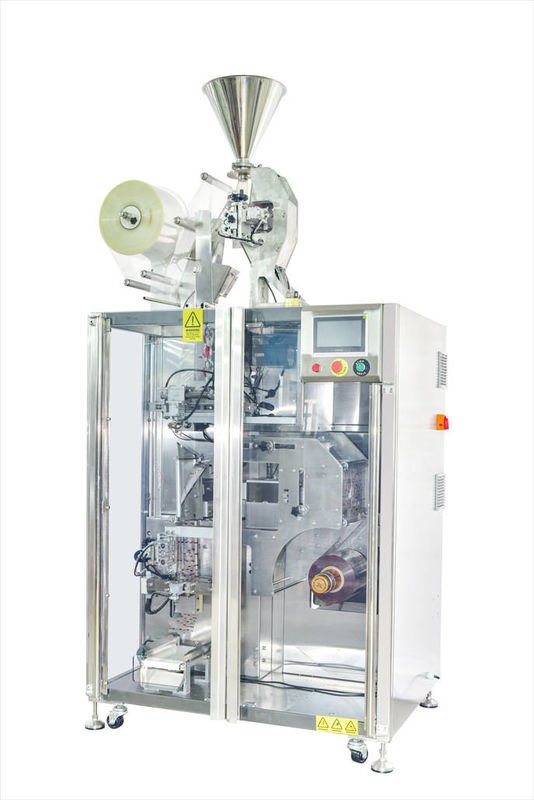
Packaging machines play a crucial role in modern manufacturing and food production industries. Companies that design, manufacture, or operate packaging equipment must comply with internationally recognized standards to ensure safety, reliability, and product quality. Among these, ISO standards for packaging machines are the most widely accepted frameworks used across global markets.
If you are sourcing or manufacturing a packaging machine, understanding relevant ISO standards is essential. These standards guide everything from machine design and operator safety to food hygiene and quality management systems.
Why ISO Standards Are Important for Packaging Machines
ISO standards are developed by the International Organization for Standardization to provide globally recognized guidelines. In the packaging machinery industry, these standards help manufacturers maintain consistent quality and reduce operational risks.
- Improve machine safety for operators
- Ensure consistent packaging quality
- Reduce product contamination risks
- Facilitate international trade compliance
- Increase customer trust and brand reputation
Many international buyers require ISO-compliant equipment when purchasing a packaging machine. Compliance demonstrates that the equipment has been designed according to internationally accepted engineering and safety standards.
Major ISO Standards Used for Packaging Machines
Several ISO standards apply directly or indirectly to packaging machinery. These standards cover different aspects including mechanical safety, quality management, risk assessment, and food safety.
ISO 12100 Safety of Machinery Risk Assessment
ISO 12100 is one of the most important standards related to machinery safety. It provides general principles for risk assessment and risk reduction when designing machines.
- Hazard identification
- Risk estimation and evaluation
- Implementation of protective measures
- Safe machine design principles
Manufacturers of automated packaging equipment must conduct a risk assessment under ISO 12100 before machines are placed on the market. This process helps eliminate potential hazards such as moving parts, electrical risks, and mechanical failure.
ISO 13849 Safety Related Parts of Control Systems
Modern packaging machines often rely on automated control systems. ISO 13849 focuses on the safety performance of machine control systems, ensuring that emergency stops, sensors, and protective devices function reliably.
This standard is particularly important for high-speed automated equipment such as:
- Vertical form fill seal machines
- Automatic pouch packing machines
- Multi lane sachet packing systems
- Robotic packaging lines
Reliable safety control systems are essential for advanced packaging machine operations where automation is heavily integrated.
ISO 22000 Food Safety Management Systems
For food packaging equipment, hygiene and contamination prevention are extremely important. ISO 22000 establishes a food safety management system that helps ensure packaged food products remain safe for consumption.
- Food contamination control
- Sanitary machine design
- Traceability of packaged products
- Hazard analysis and critical control points
Packaging machinery used in industries such as snacks, coffee, spices, and liquids must comply with food safety standards to protect consumer health.
ISO 9001 Quality Management Systems
ISO 9001 focuses on quality management processes within organizations. Although it is not specific to packaging equipment, it plays a significant role in ensuring that machinery manufacturers maintain consistent production quality.
A company producing a packaging machine under ISO 9001 certification typically demonstrates:
- Standardized production procedures
- Quality control at every stage
- Continuous improvement processes
- Customer satisfaction monitoring
ISO 14120 Safety Guards for Machinery
ISO 14120 regulates the design and construction of safety guards used in machines. Guards protect operators from moving parts such as conveyors, sealing jaws, cutting blades, and rotating shafts.
In packaging machines, safety guards may include:
- Transparent protective covers
- Interlocked safety doors
- Barrier guards around moving parts
- Safety fencing around robotic systems
Other International Standards Related to Packaging Equipment
Besides ISO standards, several other international standards and certifications often apply to packaging machinery depending on the market where the machine will be sold.
- CE Certification for the European market
- GMP requirements for pharmaceutical packaging
- HACCP systems for food safety
- UL certification for electrical components
- FDA compliance for food contact materials
These certifications often work alongside ISO standards to ensure comprehensive compliance with global regulations.
How Manufacturers Implement ISO Standards in Packaging Machines
To meet ISO requirements, packaging machine manufacturers follow a structured development process. This process ensures that the final machine operates safely, efficiently, and consistently.
Design and Engineering Phase
During the design phase, engineers conduct hazard analysis and select materials that comply with hygiene and safety standards. Machine components such as frames, conveyors, and sealing units must be designed to minimize contamination and mechanical risks.
Production and Assembly
Manufacturers implement strict quality control during assembly. Sensors, motors, control panels, and mechanical components must meet the safety performance levels defined in ISO standards.
Testing and Certification
Before delivery, packaging machines undergo functional testing, safety verification, and documentation checks. Certification bodies may audit the equipment to confirm compliance with relevant ISO standards.
Industries That Require ISO Compliant Packaging Machines
Many industries rely heavily on packaging machines that comply with international standards. These industries require strict control over safety, hygiene, and operational reliability.
- Food and beverage production
- Pharmaceutical packaging
- Cosmetics and personal care
- Chemical packaging
- Agricultural product packaging
Companies operating in these industries often prioritize suppliers that manufacture ISO-compliant equipment.
How to Choose ISO Certified Packaging Machines
When purchasing packaging equipment, buyers should evaluate whether the manufacturer follows recognized international standards.
- Verify ISO certification documents
- Review machine safety features
- Check hygiene design for food applications
- Request compliance reports and test results
- Choose experienced manufacturers with international clients
Reliable suppliers usually provide detailed technical documentation and certification records for their packaging machine products.
Future Trends in Packaging Machine Standards
As packaging technology evolves, international standards continue to adapt. Automation, robotics, and smart manufacturing are influencing new safety and performance guidelines.
Future ISO standards may focus more on:
- Smart factory integration
- Remote monitoring and diagnostics
- Energy efficiency in machinery
- Sustainable packaging technologies
- Advanced robotics safety
These developments will help ensure that packaging machinery remains efficient, safe, and environmentally responsible.
FAQ
What ISO standard applies to packaging machines
The most relevant ISO standards for packaging machines include ISO 12100 for machinery safety, ISO 13849 for control system safety, ISO 22000 for food safety management, and ISO 9001 for quality management.
Do packaging machines require ISO certification
While machines themselves are not always directly certified, manufacturers often follow ISO standards in their design and production processes. Many international buyers require equipment produced by ISO certified companies.
What is the most important safety standard for packaging machinery
ISO 12100 is considered one of the most important standards because it provides the foundation for risk assessment and safety design in machinery.
Why do international buyers prefer ISO compliant machines
ISO compliant machines ensure higher safety levels, better reliability, and easier regulatory approval when exporting products to global markets.
Are ISO standards required for food packaging machines
Food packaging equipment typically follows ISO 22000 and HACCP guidelines to ensure sanitary design and prevent contamination during the packaging process.