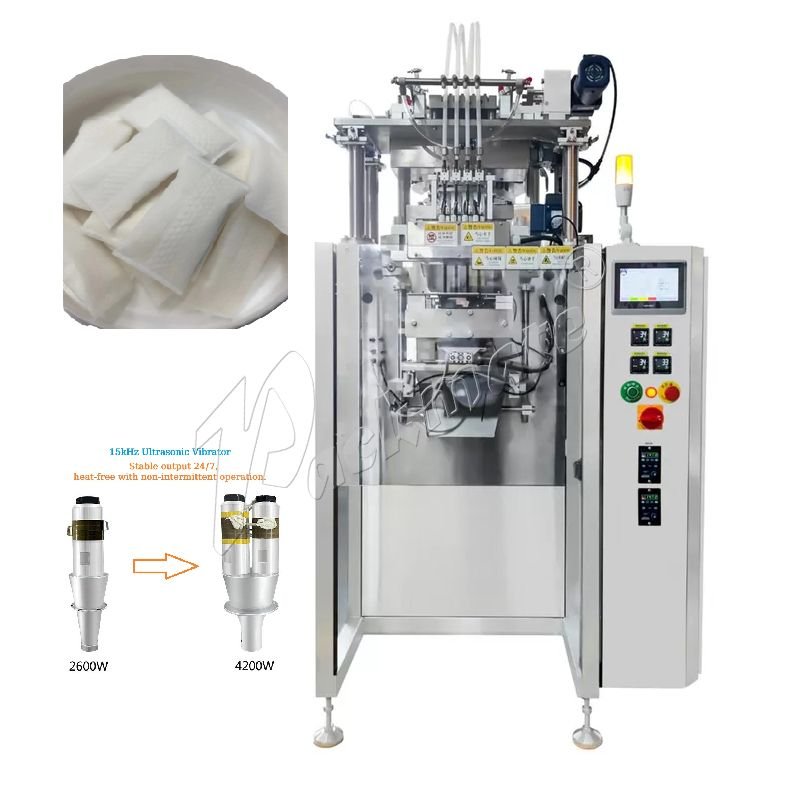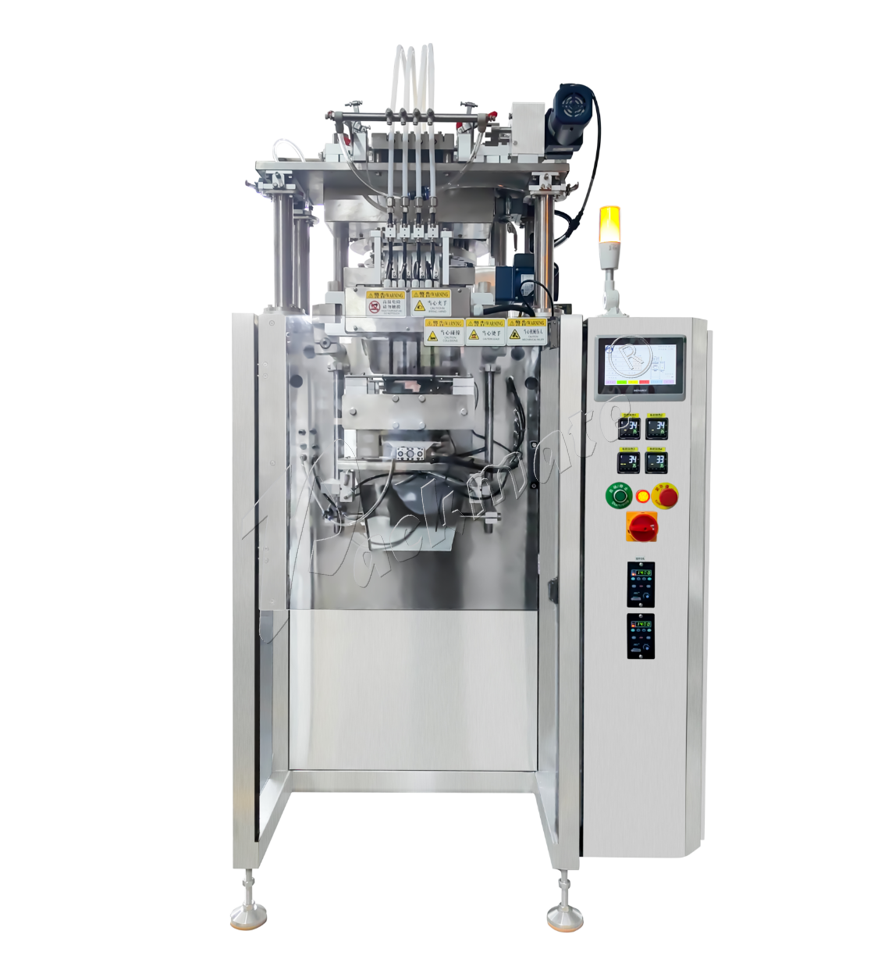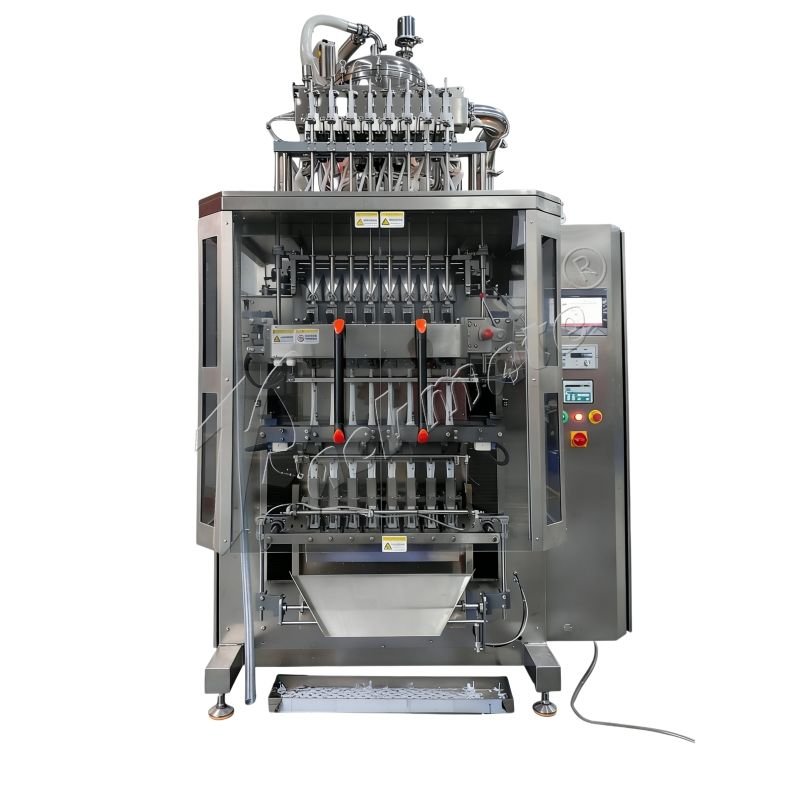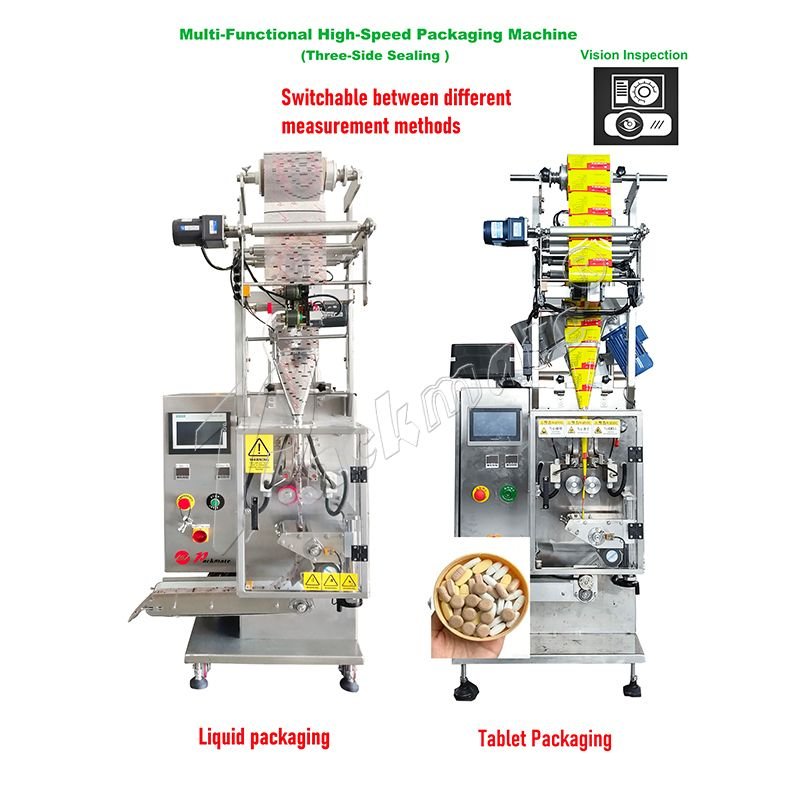
Understanding Small Blister Packing Machines
Small blister packing machines are the cornerstone of efficient tablet and capsule packaging for pharmaceutical, healthcare, and even nutraceutical companies. These compact, intelligent devices automate the process of sealing products into pre-formed cavities, offering unmatched protection, extended shelf life, and enhanced product presentation.
In the era of high product safety standards and growing demand for traceability, investing in a reliable blister packing machine is essential for ensuring the integrity and compliance of your production line. Whether you are a start-up or an established manufacturer, understanding the key features, selection criteria, and benefits of these machines is crucial for boosting efficiency and maintaining a competitive edge.
What Is a Blister Packing Machine?
A blister packing machine is a specialized device that forms cavities (or “blisters”) from plastic or aluminum film and then fills them with products—typically tablets or capsules—before sealing them with a backing material such as aluminum foil or PVC.
Small blister packing machines are designed for lower to medium production volumes, ideal for R&D laboratories, pilot plants, or small-scale manufacturers seeking precision, flexibility, and cost-efficiency.
Small blister packing machines are designed for lower to medium production volumes, ideal for R&D laboratories, pilot plants, or small-scale manufacturers seeking precision, flexibility, and cost-efficiency.
Key Features of Small Blister Packing Machines
- Compact footprint: Saves valuable manufacturing space; easy to integrate into existing lines.
- Quick changeover: Simplifies switching between different products and packaging formats.
- User-friendly interface: Touchscreen controls and intuitive operation for minimal training time.
- Accurate dosing: Advanced sensors ensure each blister contains the correct quantity, reducing waste.
- Compliance: Meets GMP, CE, and ISO standards for quality and safety.
- Energy efficiency: Designed for optimal performance with lower power consumption.
⚡
Pro Tip: Select a machine with modular components for effortless maintenance and future upgrades.
Pro Tip: Select a machine with modular components for effortless maintenance and future upgrades.
Benefits of Using Small Blister Packing Machines
- Enhanced product protection from moisture, contamination, and physical damage.
- Improved dosing accuracy for regulatory compliance and consumer safety.
- Flexible packaging options accommodate multiple product types and shapes.
- Efficient resource utilization reduces labor costs and material wastage.
- High-speed automation increases throughput for growing demand.
How to Choose the Best Small Blister Packing Machine
When selecting a small blister packing machine, consider the following critical factors:
💡
Production Capacity: Match the machine’s output per hour to your current and future business needs.
Material Compatibility: Ensure the machine can handle the blister and lidding materials you require, such as PVC, PVDC, or aluminum.
Ease of Operation: Look for user-friendly HMIs and straightforward adjustment mechanisms.
Validation and Compliance: Confirm the equipment is designed to meet your regulatory obligations (GMP, CE, ISO).
Support & After-sales Service: Reliable technical support and spare parts availability are essential for minimizing downtime.
Production Capacity: Match the machine’s output per hour to your current and future business needs.
Material Compatibility: Ensure the machine can handle the blister and lidding materials you require, such as PVC, PVDC, or aluminum.
Ease of Operation: Look for user-friendly HMIs and straightforward adjustment mechanisms.
Validation and Compliance: Confirm the equipment is designed to meet your regulatory obligations (GMP, CE, ISO).
Support & After-sales Service: Reliable technical support and spare parts availability are essential for minimizing downtime.
Why Choose Packmate Small Blister Packing Machines?
Packmate (GuangDong) Co., Ltd. leverages over 30 years of engineering expertise and innovation in packaging machine manufacturing. Our small blister packing machines are trusted by pharmaceutical, food, and healthcare companies worldwide for their:
- Unmatched reliability and long-term durability, even in demanding environments.
- Strict quality control at every stage of manufacturing, assembly, and testing.
- Precision performance thanks to advanced engineering and over 30 registered patents.
- Global service network for fast delivery, technical support, and after-sales care.
- Compliance with international standards including GMP, CE, and ISO certifications.
🏆
Packmate’s modern 20,000㎡ facility and professional team ensure consistent quality and on-time delivery for every packaging machine we produce.
Packmate’s modern 20,000㎡ facility and professional team ensure consistent quality and on-time delivery for every packaging machine we produce.
Applications of Small Blister Packing Machines
- Pharmaceutical tablets and capsules – for prescription drugs, OTC products, and clinical trials.
- Nutritional supplements – including vitamins, softgels, and herbal capsules.
- Confectionery and food products – such as mints and lozenges.
- Medical device components – for sterile, unit-dose packaging.
How Blister Packing Machines Work: Step-by-Step Process
- Forming: Plastic or aluminum film is heated and shaped into cavities (blisters).
- Filling: Tablets or capsules are automatically placed into each cavity with high accuracy.
- Sealing: A lidding material (often aluminum foil) is sealed onto the filled blisters using heat and pressure.
- Perforating & Cutting: The sealed strip is perforated and cut into individual packs or strips for easy handling and dispensing.
- Inspection & Ejection: Integrated sensors or cameras check for completeness, rejecting any faulty packs.
Maintenance Tips for Maximum Efficiency
🔧
Routine maintenance is vital to ensure consistent machine performance and minimize downtime:
Routine maintenance is vital to ensure consistent machine performance and minimize downtime:
- Follow the manufacturer’s cleaning and lubrication schedules.
- Regularly inspect and replace consumable parts (seals, blades, sensors).
- Keep the operating environment clean and dust-free.
- Update software and firmware as recommended.
- Train operators to recognize early signs of wear or malfunction.
Why Automation Matters for Tablet and Capsule Packaging
Automated blister packing machines deliver:
- Consistent product quality and reduced error rates
- Lower labor costs and higher throughput
- Improved traceability and batch control for regulatory compliance
- Scalable solutions for growing businesses
Investing in state-of-the-art automation from a trusted packaging machine partner supports your long-term success and ensures your products always meet market demands.
Conclusion: Invest in the Right Blister Packing Solution
Choosing the best small blister packing machine is a strategic decision that impacts your product quality, production efficiency, and regulatory compliance. Packmate offers tailored solutions, expert engineering, and global support to help you achieve your packaging goals with confidence.
Frequently Asked Questions (FAQ)
Q1: What products can be packaged with a small blister packing machine?
Small blister packing machines are versatile and suitable for a wide range of products, including pharmaceutical tablets, capsules, softgels, vitamins, supplements, and even small food items like mints or lozenges.
Small blister packing machines are versatile and suitable for a wide range of products, including pharmaceutical tablets, capsules, softgels, vitamins, supplements, and even small food items like mints or lozenges.
Q2: How do I maintain my blister packing machine for long-term use?
Follow the maintenance schedule provided by the manufacturer, regularly clean and lubricate moving parts, replace worn components, and ensure operators are well-trained in troubleshooting and preventive care.
Follow the maintenance schedule provided by the manufacturer, regularly clean and lubricate moving parts, replace worn components, and ensure operators are well-trained in troubleshooting and preventive care.
Q3: What certifications should I look for in a blister packing machine?
Look for machines with GMP, CE, and ISO certifications, which indicate compliance with international quality and safety standards.
Look for machines with GMP, CE, and ISO certifications, which indicate compliance with international quality and safety standards.
Q4: Can I scale up production with a small blister packing machine?
Many small blister packing machines are modular and can be upgraded or integrated into larger production lines as your business grows.
Many small blister packing machines are modular and can be upgraded or integrated into larger production lines as your business grows.
Q5: Where can I find reliable blister packing machine suppliers?
For proven quality, engineering expertise, and after-sales support, consider Packmate as your trusted packaging machine partner.
For proven quality, engineering expertise, and after-sales support, consider Packmate as your trusted packaging machine partner.