Understanding the Robotic Packaging Machine Market: Growth, Trends, and Forecast to 2030
The robotic packaging machine market has become a driving force in automated manufacturing, transforming how industries approach efficiency, precision, and scalability. As businesses worldwide adapt to advanced packaging technologies, the market is experiencing unprecedented growth and dynamic shifts. This article explores the core trends, opportunities, and forecasts that will shape the robotic packaging machine landscape through 2030, offering valuable insights for manufacturers, investors, and industry professionals.
Market Overview: The Rise of Intelligent Packaging Solutions
The demand for robotic packaging machines is accelerating, driven by the need for automation, cost reduction, and consistent product quality across industries such as food, pharmaceuticals, and healthcare. Companies like
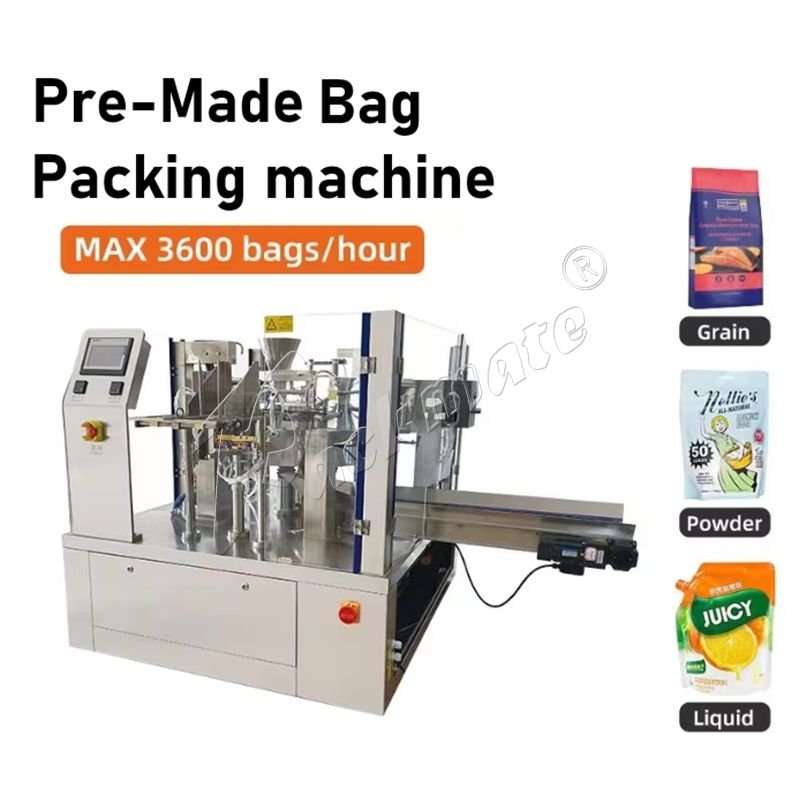
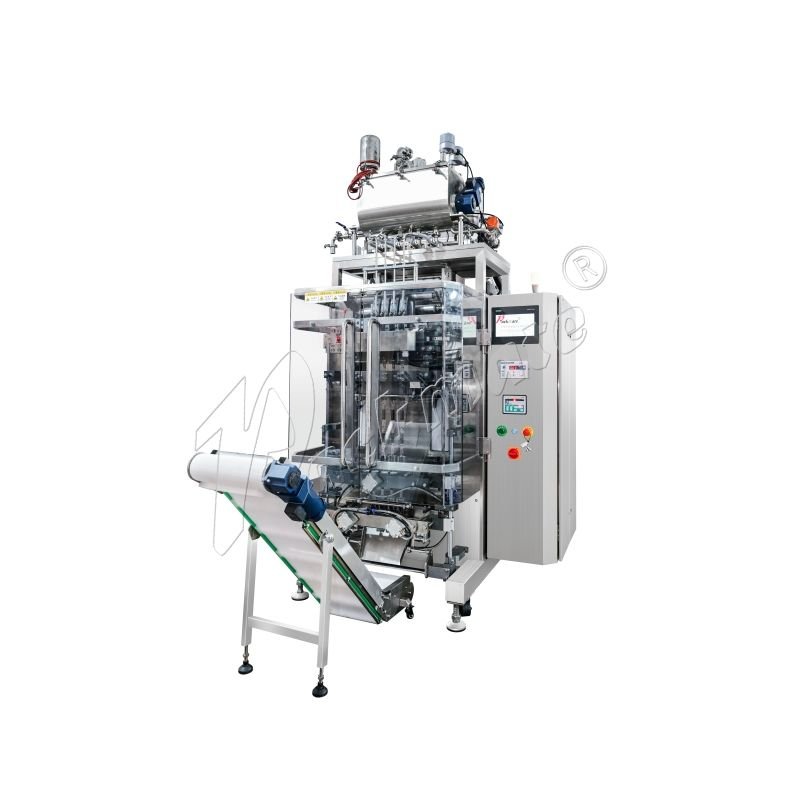
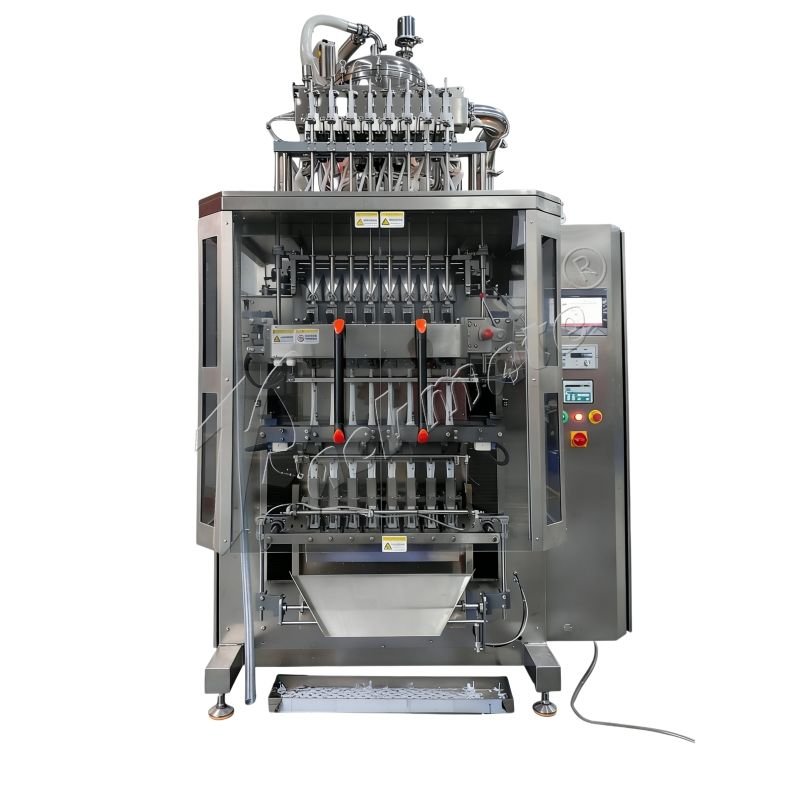
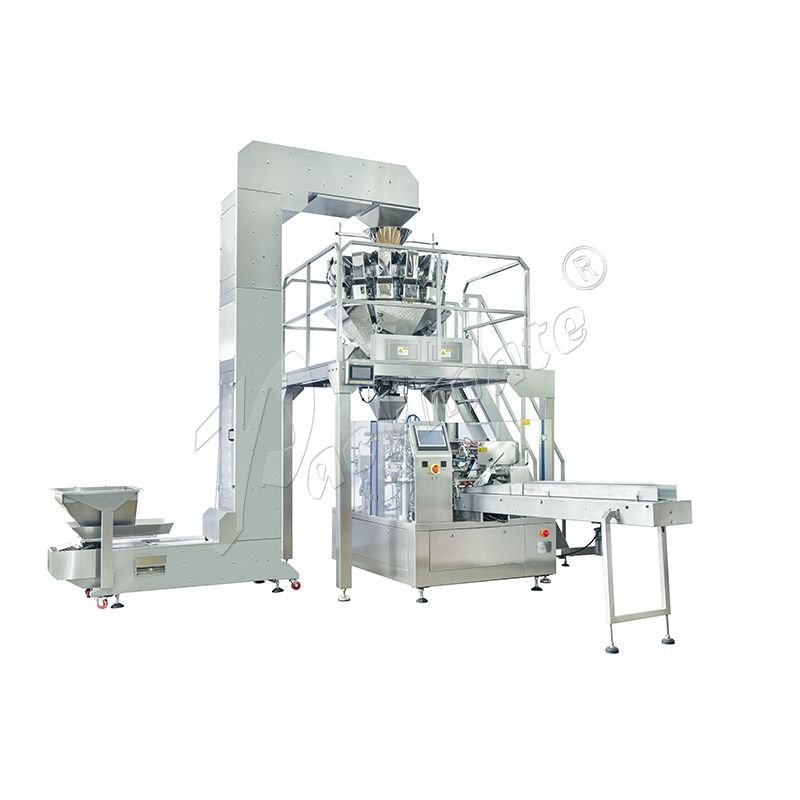
Packmate (GuangDong) Co., Ltd. are at the forefront of this evolution, leveraging over 30 years of engineering expertise to create machines that meet stringent EU and GMP standards.
- Global Market Size: The robotic packaging market is projected to reach multi-billion USD valuations by 2030, with a CAGR exceeding 8% in key regions.
- Key Industries: Food and beverage, pharmaceuticals, personal care, and e-commerce are leading adopters, seeking solutions for increased throughput and hygiene.
- Geographic Expansion: The Asia-Pacific region, led by China, is experiencing rapid adoption, while Europe and North America continue to invest in technological upgrades.
Technological Innovations Shaping the Future
Modern robotic packaging systems integrate advanced robotics, artificial intelligence, and IoT connectivity. Packmate’s continuous R&D investment—with over 30 patents—demonstrates how innovation delivers increased flexibility, faster changeovers, and real-time quality monitoring.
Key Technological Trends
- Collaborative Robots (Cobots): Enable safe human-machine interaction on packaging lines, reducing manual handling and workplace injuries.
- AI-Based Quality Control: Vision systems ensure accurate product sorting, defect detection, and traceability—essential for pharmaceutical and food sectors.
- Modular and Customizable Designs: Manufacturers like Packmate offer modular machines, allowing rapid adaptation to new products or packaging types.
- IoT Integration: Real-time data analytics improve predictive maintenance, minimize downtime, and optimize resource use.
Growth Drivers and Market Opportunities
Several factors are fueling the expansion of the robotic packaging machine market through 2030. Automation is no longer optional—it is essential for competitiveness, regulatory compliance, and sustainability.
Major Market Drivers
- Rising Labor Costs: Automation reduces dependency on manual labor, ensuring consistent output and lower operational costs.
- Stringent Industry Regulations: GMP and EU guidelines require high-speed, contamination-free, and traceable packaging—features built into intelligent machines.
- Changing Consumer Preferences: Demand for personalized, eco-friendly, and tamper-evident packaging drives innovation in machinery design.
- Global Supply Chain Resilience: Robotic packaging enhances flexibility, enabling manufacturers to quickly adapt to market shifts and disruptions.
Opportunities for Industry Stakeholders
- SME Adoption: More small and medium-sized enterprises are investing in compact, modular robotic systems to stay competitive.
- After-Sales and Service: Manufacturers offering global support—like Packmate—gain customer loyalty through fast response and local expertise.
- Integration with Industry 4.0: End-to-end digitalization of the packaging process opens new business models and revenue streams for technology providers.
Challenges in the Robotic Packaging Machine Market
Despite robust growth, the market faces several challenges:
- High Initial Investment: The cost of advanced packaging systems can be a barrier for some businesses.
- Technical Skill Gaps: Operating and maintaining robotic equipment requires specialized training and knowledge.
- Integration Complexity: Retrofitting legacy production lines with new automation technology can be complex and time-consuming.
- Data Security Concerns: Increased connectivity brings risks of cyberattacks and data breaches, requiring robust security protocols.
Packmate: Leading the Way in Precision Manufacturing
Packmate (GuangDong) Co., Ltd. exemplifies industry leadership by combining a strong technical foundation with world-class manufacturing. With a 20,000㎡ modern facility, 100+ advanced production units, and a talented team of 125+ professionals, Packmate delivers high-speed, GMP-compliant packaging solutions globally.
- Certified Quality: CE & ISO certifications guarantee machine reliability and global compliance.
- Engineering-Driven Innovation: 30+ patents and ongoing R&D ensure that equipment remains at the technological forefront.
- Global Reach: Products are exported to Europe, the Americas, Africa, the Middle East, and Southeast Asia, supported by robust agency and service networks.
- Customer-Centric Philosophy: Packmate’s mission is to support long-term partnerships and sustainable growth through trust, quality, and innovation.
Why Choose Packmate Robotic Packaging Machines?
- Future-Ready Technology: Built for flexibility and scalability to meet evolving production needs.
- Strict Quality Control: Every stage—from component processing to final assembly—is rigorously monitored for safety and durability.
- Responsive Support: Fast delivery and local technical support minimize downtime and maximize productivity.
- Custom Solutions: Tailored to specific industry requirements, ensuring seamless integration and superior performance.
Market Forecast: What to Expect by 2030
By 2030, the robotic packaging machine market is expected to witness sustained double-digit growth, with new opportunities emerging in sustainable packaging, smart factories, and digital supply chains. Manufacturers who invest in innovation, quality, and customer-centric services will lead the transformation of global packaging.
- Sustainability Focus: Eco-friendly materials, energy-efficient machines, and waste reduction will be key differentiators.
- Hyper-Personalization: Machines capable of handling short runs and frequent product changes will unlock new market segments.
- Data-Driven Decision Making: Advanced analytics and AI will drive predictive maintenance and process optimization.
For more information on cutting-edge packaging solutions, visit the Packmate Machinery official website.
Frequently Asked Questions
What industries benefit most from robotic packaging machines?
Key industries include food and beverage, pharmaceuticals, healthcare, personal care, and e-commerce, where automation enhances throughput, consistency, and regulatory compliance.
How do robotic packaging machines improve production efficiency?
They automate repetitive tasks, minimize human error, enable high-speed operation, and provide real-time monitoring for predictive maintenance, resulting in higher uptime and lower costs.
What certifications should quality packaging machines hold?
Leading packaging machines are certified to international standards such as CE and ISO, and comply with GMP requirements for industries like pharmaceuticals and food.
How does Packmate support global customers?
Packmate provides rapid delivery, localized technical support, and reliable after-sales service through established agency and service networks in major international markets.
Where can I learn more about Packmate’s packaging machines?
Visit the Packmate Machinery website for detailed product information, technology highlights, and factory tour opportunities.