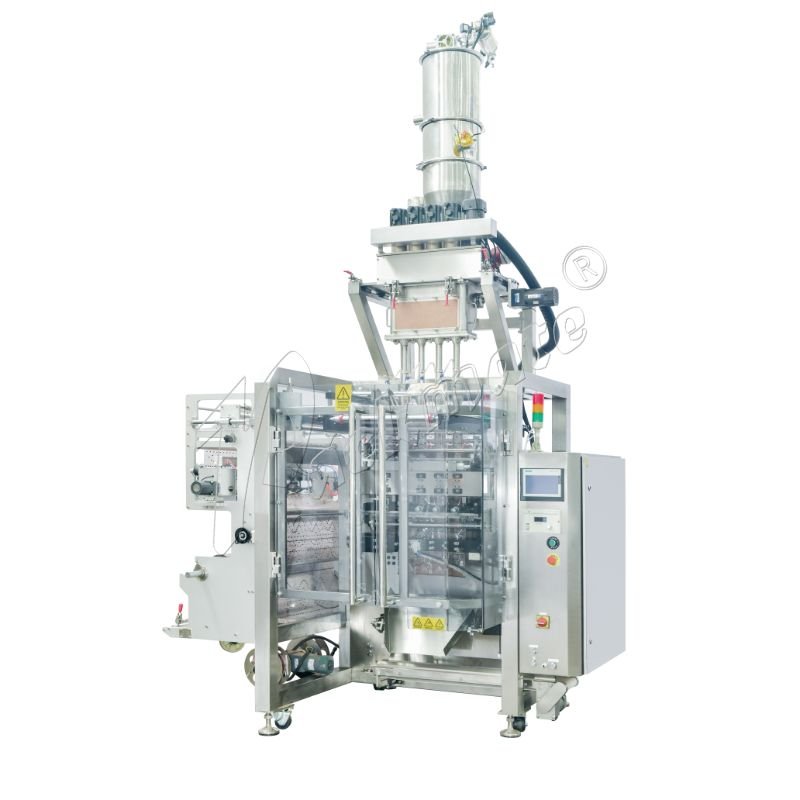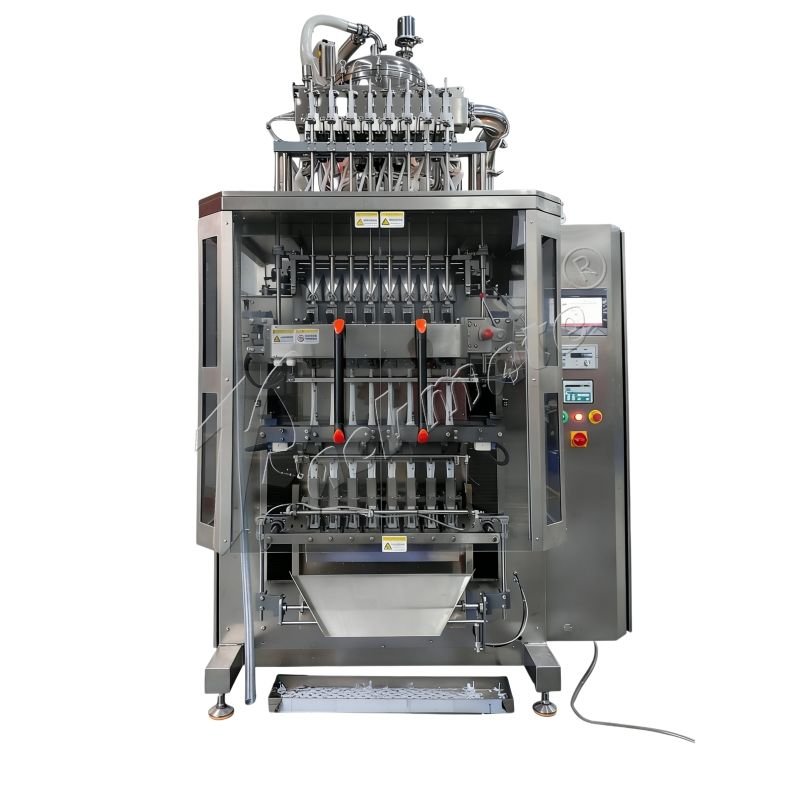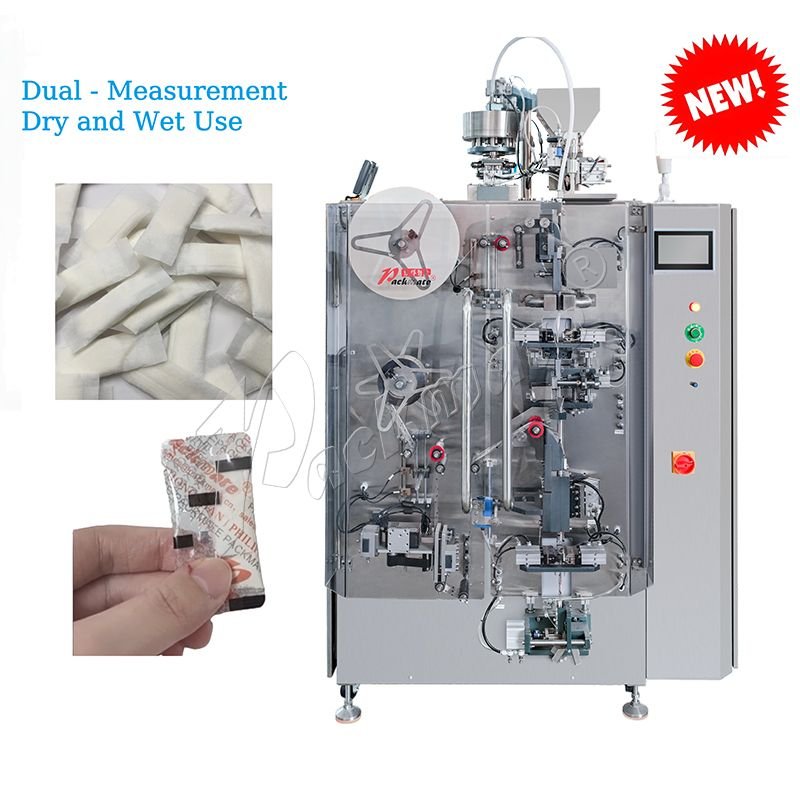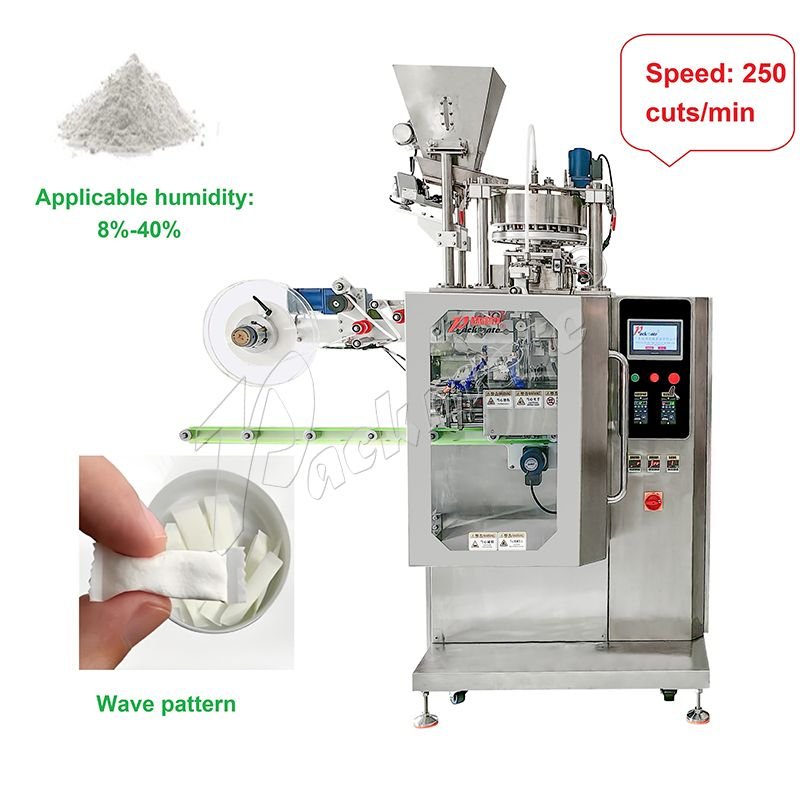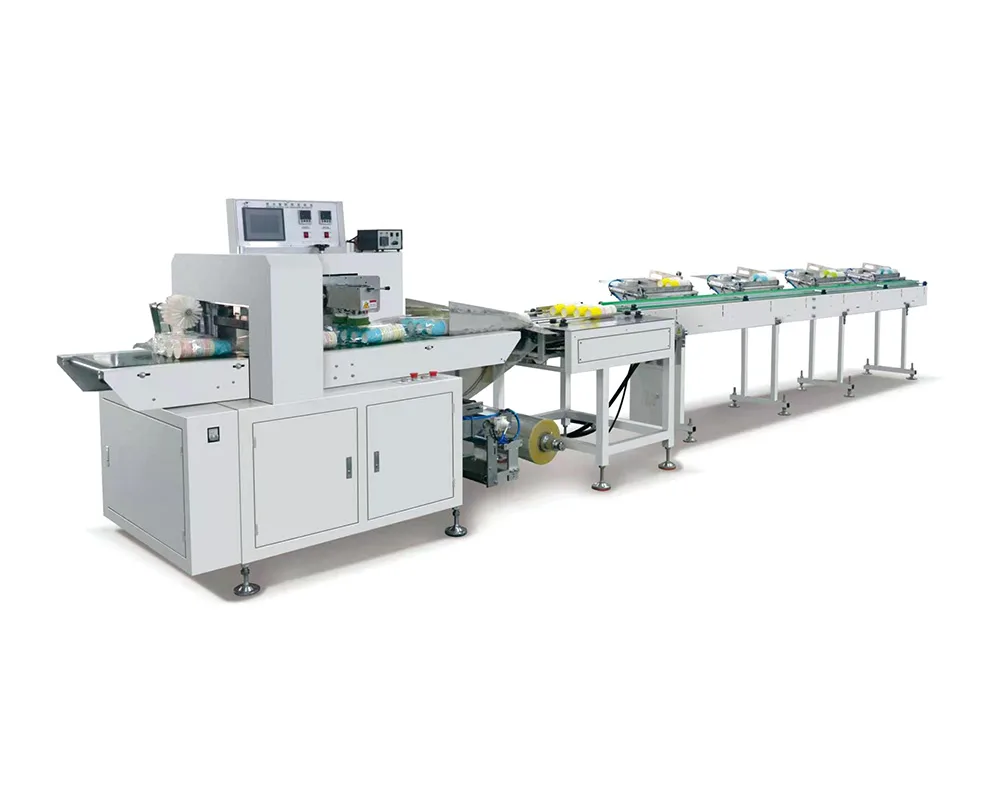
Understanding the Importance of Choosing the Right Automatic Bagging Machine
Key Factors to Consider When Choosing an Automatic Bagging Machine
- Production Capacity Requirements
- Bag Type and Size Flexibility
- Product Compatibility and Safety Standards
- Automation Level and Integration Capabilities
- Machine Reliability, Maintenance, and After-Sales Support
Assessing Production Line Needs
Every production line is unique. Start by assessing your daily and peak output targets. Will you need to handle multiple bag sizes or materials? A versatile automatic bagging machine can adapt to changing market demands and ensure a future-proof investment. For high-speed operations, look for machines with advanced servo systems and quick changeover features.

Bag Type, Size, and Material Compatibility
Different industries require varying bag types: pillow bags, gusseted bags, stand-up pouches, or custom forms. Material compatibility is just as crucial—whether you use PE, laminated film, or specialty materials, ensure your machine supports them without complications. Reliable suppliers, such as Packmate (GuangDong) Co., Ltd., offer machines that accommodate a wide range of materials and bag sizes, making them suitable for diverse applications.
Compliance with Industry Standards and Certifications
Choosing certified equipment ensures product safety, regulatory compliance, and reduces the risk of costly recalls or downtime.
Evaluating Automation and Integration Capabilities
Modern production lines thrive on automation. An advanced automatic bagging machine should seamlessly integrate with upstream and downstream equipment: weighing, filling, labeling, or palletizing systems. Look for machines with intelligent control systems, user-friendly HMIs, and remote monitoring features for real-time diagnostics and easy troubleshooting.
- PLC-based controls for reliability
- Smart sensors and data connectivity (Industry 4.0 ready)
- Flexible communication interfaces (Ethernet, Modbus, etc.)
Reliability, Durability, and Maintenance
Downtime is costly. Opt for automatic bagging machines known for robust construction, quality components, and proven longevity. Regular maintenance should be simple and supported by comprehensive documentation and responsive technical service. Manufacturers like Packmate offer worldwide after-sales support and spare parts availability, minimizing disruption to your operations.
Energy Efficiency and Environmental Considerations
Sustainability is no longer optional. Consider automatic bagging machines that offer energy-saving functions, reduced material wastage, and compatibility with eco-friendly packaging. Investing in efficient technology not only lowers operating costs but also supports your corporate social responsibility goals.
Total Cost of Ownership (TCO)
The initial purchase price is just part of the equation. Calculate the total cost of ownership over the equipment’s lifespan:
energy consumption, downtime, maintenance, spare parts, and operator training. Reliable packaging machine vendors, like Packmate, provide transparent cost breakdowns and long-term value.
Why Partner with a Reputable Manufacturer?
Your choice of supplier is as important as the machine itself. Established manufacturers invest in R&D, quality control, and global service networks.
Packmate (GuangDong) Co., Ltd. stands out with 22+ years of industry experience, 30+ patents, and international certifications, ensuring you receive state-of-the-art, reliable solutions tailored to your needs.
- Modern 20,000㎡ facility with advanced manufacturing equipment
- Professional engineering team for customized solutions
- Strict QC and testing at every production stage
- Fast global delivery and localized technical support
Steps to Choosing the Best Automatic Bagging Machine
- Define your application: product type, size, and industry standards.
- Estimate production volume and flexibility requirements.
- Research certified and reputable manufacturers.
- Request performance data, client references, and site visits.
- Compare automation features and integration options.
- Calculate TCO and evaluate after-sales support.
- Conduct factory acceptance tests (FAT) before shipment.
Real-World Example: Packmate’s Solutions in Action
A leading food manufacturer needed to upgrade their packaging line to meet new hygiene and speed regulations. By partnering with Packmate, they integrated a high-speed automatic bagging machine designed for quick changeovers and precise filling. The outcome? Increased throughput, reduced downtime, and compliance with international safety standards. This collaboration demonstrates the value of working with an experienced, innovative equipment provider.
Conclusion: Achieve Operational Excellence with the Right Automatic Bagging Machine
The right automatic bagging machine boosts productivity, ensures product quality, and supports sustainable growth. By focusing on capacity, versatility, compliance, and after-sales support, you maximize your return on investment and future-proof your production. Rely on experienced manufacturers like Packmate (GuangDong) Co., Ltd. to deliver tailored, high-performance solutions that drive your business forward.
Frequently Asked Questions (FAQs)
Most automatic bagging machines can handle a wide range of bags, including pillow bags, gusseted bags, stand-up pouches, and custom shapes, depending on the model and configuration.
Assess your average and peak production volumes, factor in future growth, and choose a machine that can comfortably meet or exceed these requirements without sacrificing efficiency.
Yes, but it is vital to select machines that comply with GMP, CE, and ISO standards to guarantee hygiene and safety, as offered by reputable manufacturers like Packmate.
Regular cleaning, lubrication, and inspection of critical parts are necessary for optimal performance. Choose manufacturers that provide comprehensive manuals and responsive technical support.
Work with experienced suppliers who offer engineering support and customization options to ensure your new bagging machine integrates smoothly with your current production systems.